







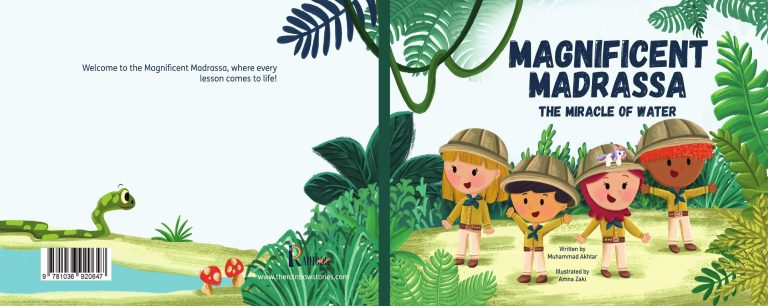

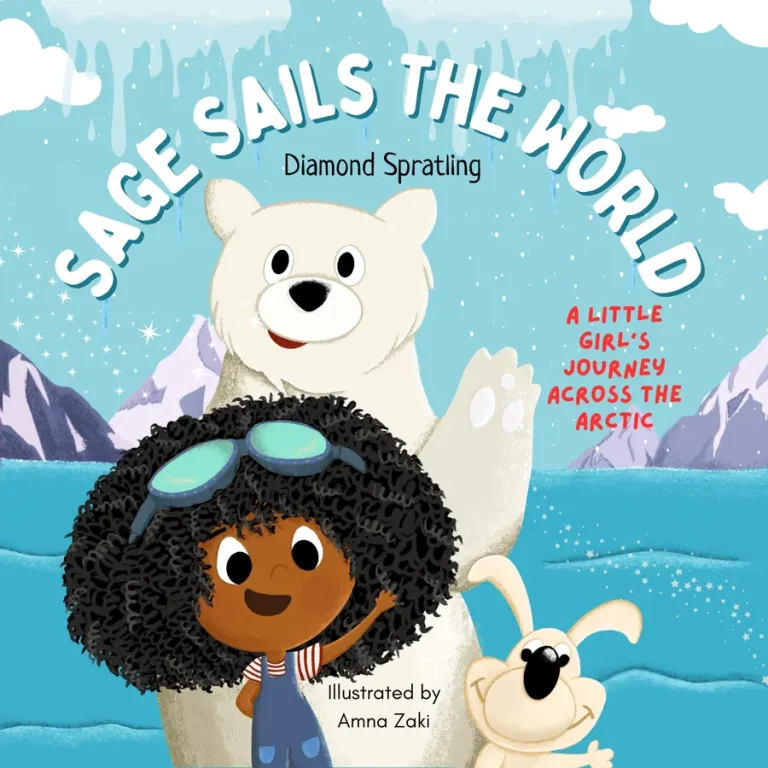
The Magic of Storytelling

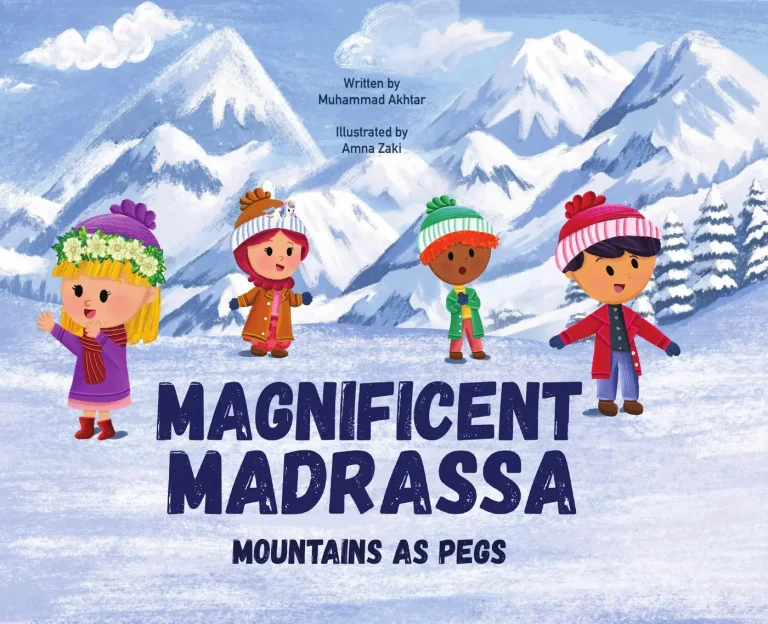
At The Rainbow Stories, we believe in the magic of storytelling to shape young minds and hearts. Our mission is to craft engaging, meaningful Illustration for children’s books that inspire imagination, spark curiosity, and nurture values like kindness, courage, and creativity.

SERVICES

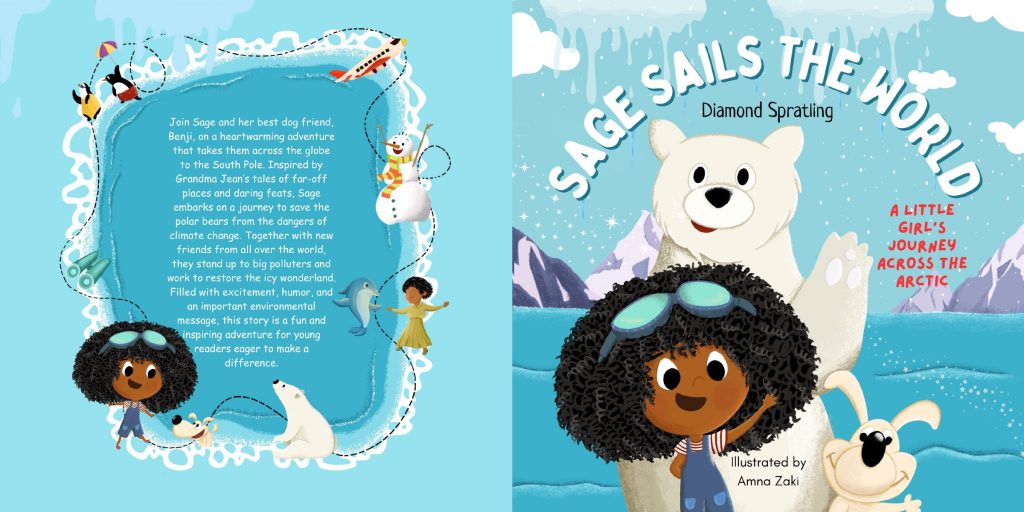
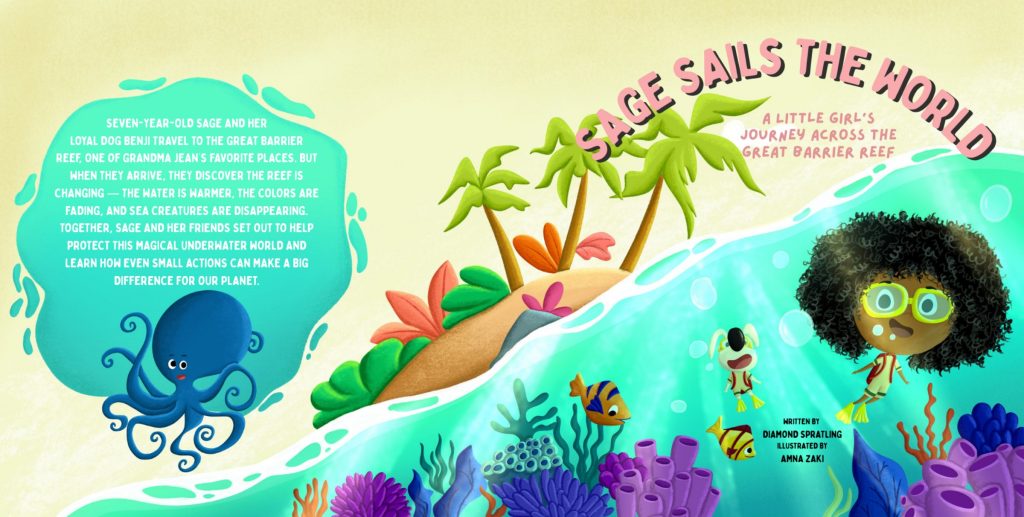
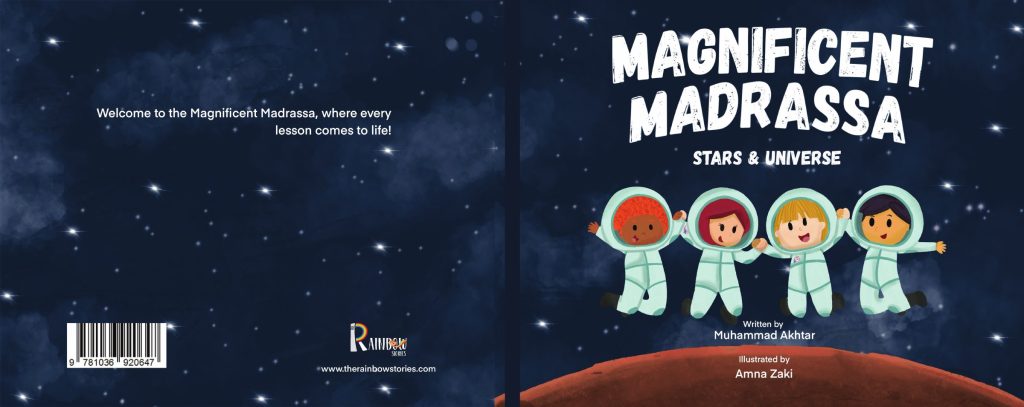
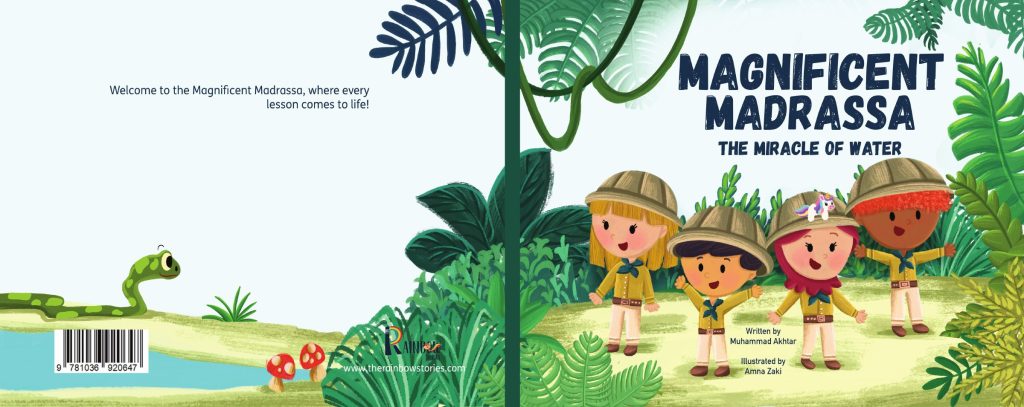
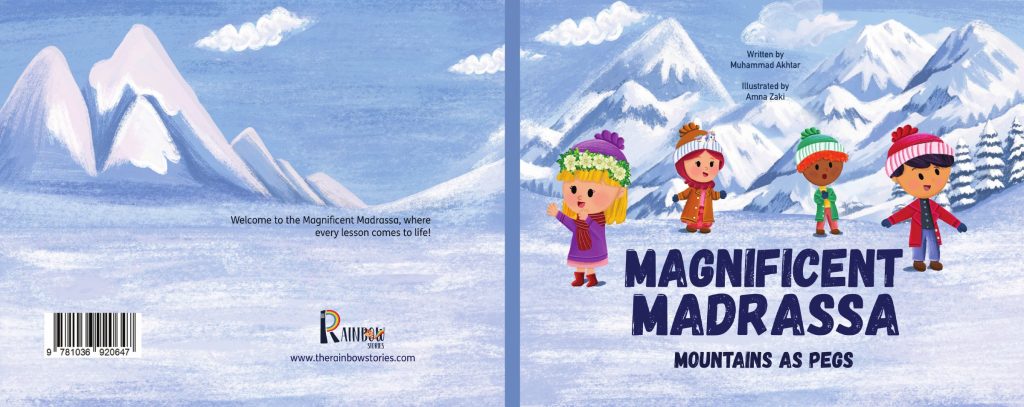
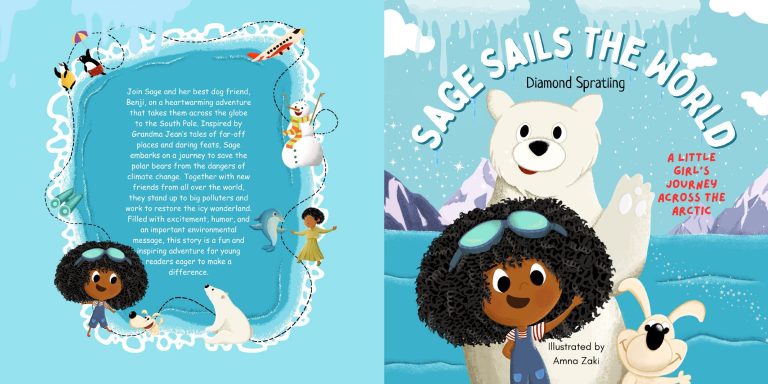
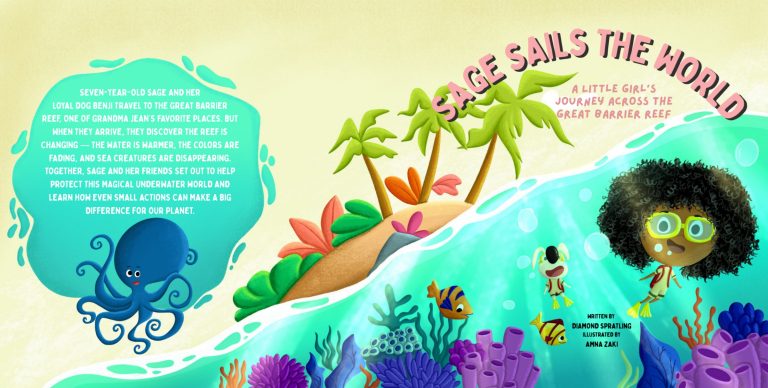
At The Rainbow Stories, we bring your ideas to life with magical children’s books. Our team creates unique characters, fun storyboards, and eye-catching book covers. We also provide professional Children Book Illustration to make every story special. Our personalized books are made to delight kids and create memories they will always remember.

Why Choose The Rainbow Stories?

If you want a custom children’s story that feels warm, personal, and memorable, you’re in the right place.We help parents, teachers, and creators turn simple ideas into charming storybooks with original characters and illustrations. Whether you’re building a bedtime story, a birthday gift, or a full series, we handle everything from writing to design.

Every story is carefully written to match your theme, character details, and the age group you are targeting. The plot, tone, and pacing are adjusted to fit the child’s reading level, from simple bedtime stories to richer narratives for older kids. We use clear language and relatable messages like kindness, curiosity, confidence, and friendship. Each story has a strong beginning, middle, and end, with engaging characters that help children connect emotionally and enjoy reading.

Your storybook timeline matters. We follow a clear, organized process to deliver drafts, revisions, and final files on schedule, so there are no delays or surprises. Each stage is planned in advance, giving you enough time to review, request changes, and approve the story. Our timely delivery ensures your project stays on track, whether you are preparing for printing, gifting, or a special launch date.

Our goal is to create books that children truly enjoy and parents feel proud to share. From the first idea to the final delivery, we keep the process simple and transparent. You receive regular updates at every stage, with clear communication and revisions available whenever needed. We carefully review feedback and make thoughtful adjustments to ensure the story meets your expectations. The result is a smooth, stress-free experience and a finished book you can confidently present to any child.

Everything we create for you, including the writing, illustrations, characters, and layouts, belongs 100% to you. You receive full ownership and complete creative rights once the project is delivered. This means you are free to print your book, publish it online or in print, share it with others, or use it for personal or commercial purposes. There are no hidden restrictions or usage limits, giving you total freedom to use your story exactly as you choose.

Turn Your Ideas into Magical Stories for Kids

Have a story idea but not sure how to bring it to life? At The Rainbow Stories, we help you create enchanting books that children will love. Our team of skilled writers and editors works closely with you to turn your ideas into fun, memorable stories filled with imagination and heart.

Bring Your Child’s Story to Life

We help transform your idea into a fully personalized story, ready to captivate young readers.

Stories That Spark Imagination

Every tale is crafted to be engaging, colorful, and full of creativity that children enjoy.

Support Every Step of the Way

From brainstorming to final touches, we guide you to make sure your story shines.

Ready-to-Read, Magical Books

Your ideas become finished stories that are perfect for bedtime, gifts, or keepsakes.

Why Parents Love Our Characters

At The Rainbow Stories, every book is made with care, imagination, and a real understanding of what makes children feel special. Parents choose our stories because they bring joy, build confidence, and create memories that stay with their kids for years.

Personalized for Every Child

Each book is shaped around your child’s name, look, and personality. It’s their story, told in a way that feels truly theirs.

Beautiful, Hand-Drawn Illustrations

Our artwork is bright, playful, and crafted to spark creativity. Every page feels alive.

Meaningful Messages

The stories encourage kindness, bravery, curiosity, and a love for learning values parents care about.

Easy, Smooth Ordering

You choose the theme, share a few details, and we create a book that’s ready to enjoy without any hassle.

HOW IT WORKS

The Rainbow Stories process is designed to be easy, creative, and collaborative. We start by listening to your story and understanding your vision, then bring it to life through thoughtful illustrations rich in color, emotion, and detail.

Throughout the journey, your feedback shapes every step, ensuring the final artwork truly reflects your imagination. Once complete, your illustrations are carefully polished and delivered ready to delight and inspire young readers everywhere.

Share Your Script

Submit your story and let us know your vision

DISCUSS YOUR VISION

Collaborate with our team to refine ideas and direction

WATCH THE MAGIC UNFOLD

See your story come to life with stunning illustrations

CATEGORIES

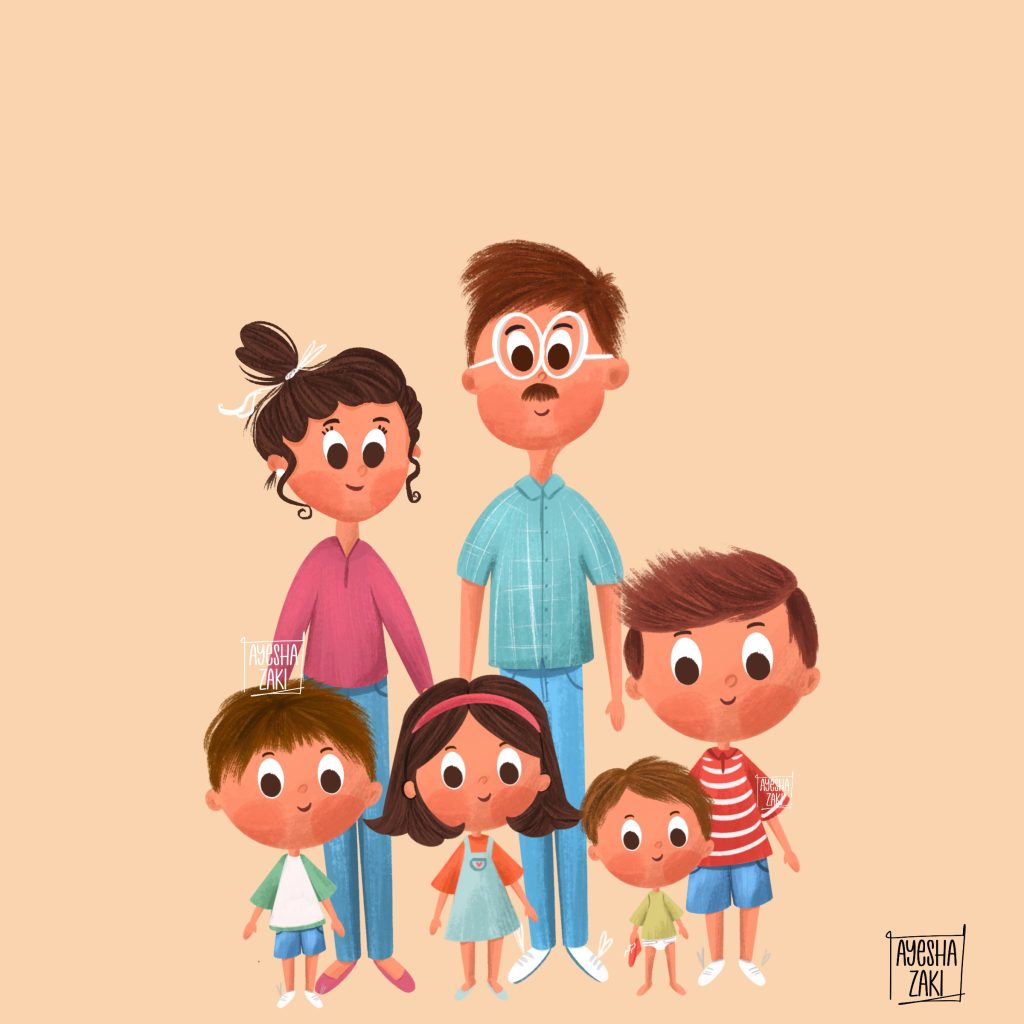
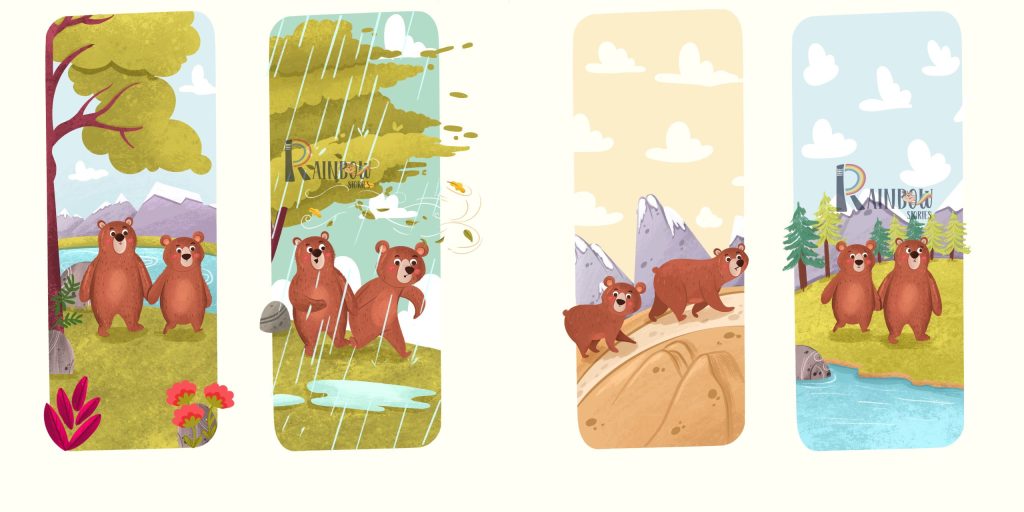
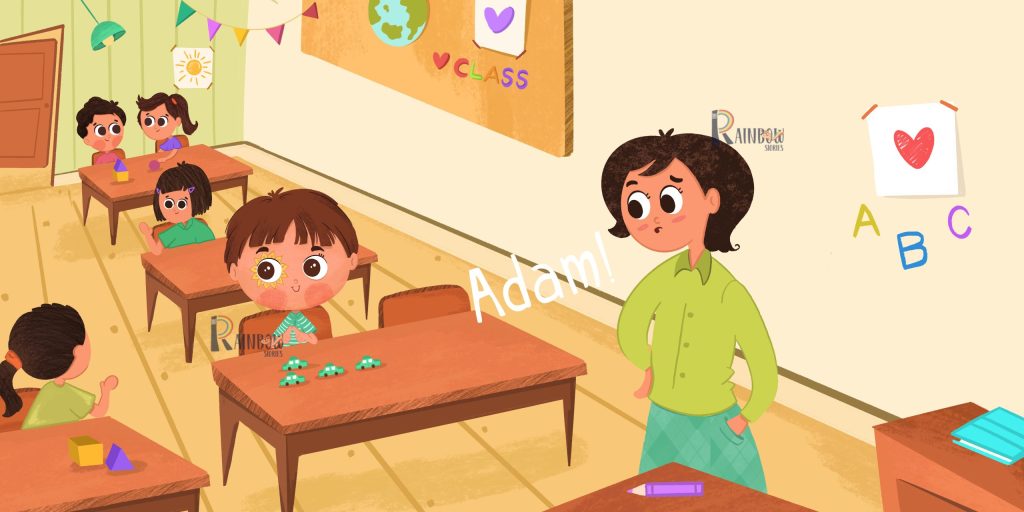
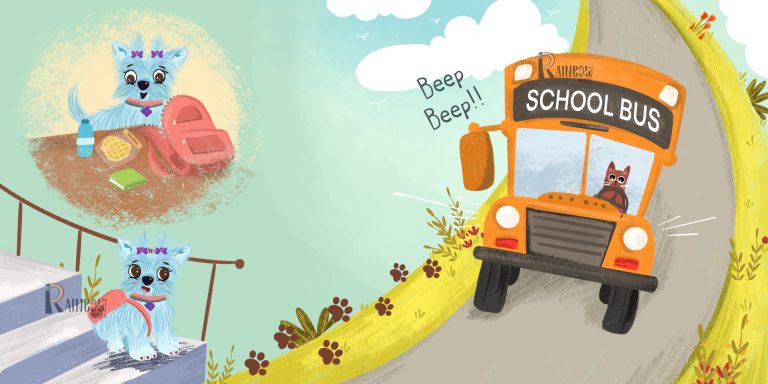
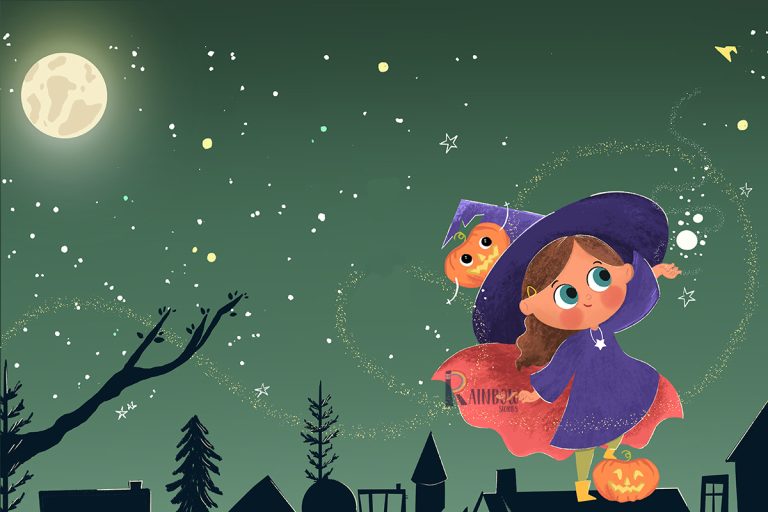
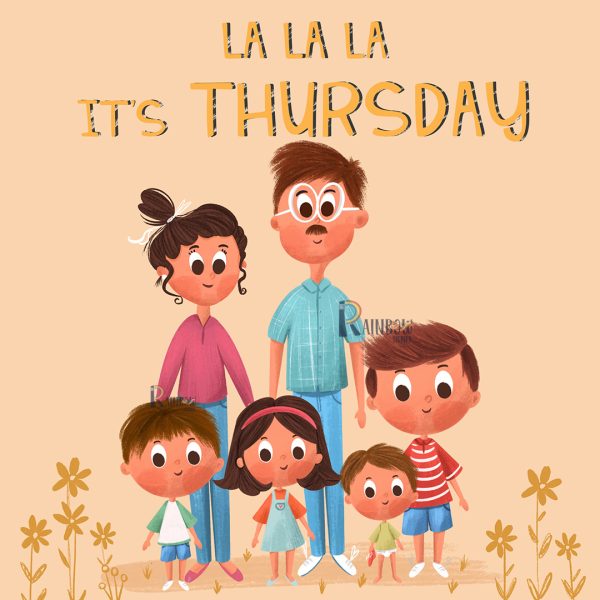
The Rainbow Stories categories are thoughtfully organized to showcase the wide range of illustration styles we offer. From early sketching and storyboarding to magical fantasy worlds, family illustrations, character design, animals, and animation-ready artwork, each category tells its own visual story.

Our collections are designed to help you easily discover the illustration style that best matches your vision. Every piece is crafted to spark imagination, emotion, and joy for young readers.

Our ILLUSTRATORS

Our Illustrators are the heart of every magical story we create. Each artist brings a unique style, imagination, and love for children storytelling turning simple ideas into colorful worlds filled with emotion and life.

From expressive characters to playful scenes, our illustrators carefully design visuals that connect with young readers and make stories unforgettable. Whether you need charming character designs or full book illustrations, our creative team ensures every page feels joyful, meaningful, and perfectly crafted for children.

Our Happy Customer

Satisfied Clients
0 +
Talented Creators
0 +
Happy Readers
0 +

Testimonial

Rebecca Self-Published Author

"From rough sketches to final artwork, the communication was clear and professional. My story came to life in ways I never imagined. The kids who read it keep pointing at every little detail!"

Mike Children Book Autor

"Absolutely blown away by the illustrations! Each page felt alive, with vibrant colors and expressive characters. The artist perfectly captured the whimsical tone I envisioned. Can’t wait to work together again!"

Zaikyah Nelson Primary School Teacher

"A fantastic experience! The illustrator understood the educational context and added delightful visuals that kept children engaged. Delivered on time and exceeded expectations."

Jake Children Custom Books

"I was nervous being a first-timer, but they made the process so easy. They were patient with my feedback and brought so much heart to the artwork. Everyone comments on how beautiful the book looks!"

Latest Blogs

Our blog content shares insights, creative tips, and illustration tools for authors and illustrators.

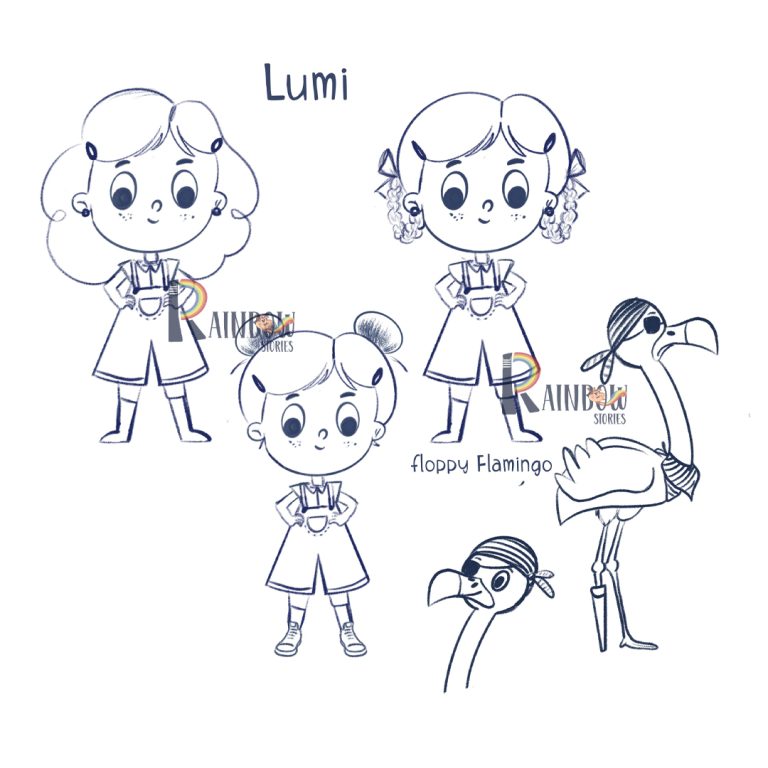
Simple Sketching Tips Every Children’s Book Illustrator Should Know Sketching is the foundation of every successful children’s book illustration. Long before color, fine details, or final polish are added, sketches define the characters, scenes, and emotions that young readers connect with. A strong sketch helps illustrators plan visual storytelling, express personality, and communicate ideas clearly and confidently. It allows creative ideas to take shape before they are refined into finished artwork. In children’s books, sketching does not need to be complex or highly detailed to be effective. In fact, simplicity often creates the strongest impact. Clear shapes help characters feel friendly and recognizable, while readable expressions make emotions easy for children to understand. Purposeful, confident lines guide the viewer’s eye and keep the illustration visually engaging without overwhelming young readers. By focusing on clarity rather than perfection, illustrators can create artwork that supports storytelling and captures attention. Simple sketching techniques make it easier to explore ideas, refine compositions, and build consistency across pages. This guide highlights practical, easy-to-follow sketching tips designed specifically for children’s book illustrators, helping them create expressive, story-driven illustrations that resonate with young audiences. Start With Loose and Simple Sketches The first and most important step in effective sketching is letting go of the need for perfection. Early sketches are not meant to be polished or final; they exist to explore ideas, test concepts, and discover what works visually. Beginning with loose, rough sketches allows creativity to flow freely without the pressure of getting everything right on the first attempt. When illustrators focus too much on clean lines or fine details too early, their sketches can become stiff and unnatural. This approach often limits experimentation and slows down the creative process. Loose sketching, on the other hand, encourages quick exploration of different poses, compositions, and facial expressions. It allows you to try multiple ideas in a short time and easily move on from concepts that do not feel right. Rough sketches should be treated as visual brainstorming rather than finished artwork. Use light, flexible lines and simple forms to block out ideas. Fast, energetic movements help capture emotion and movement without overthinking. At this stage, clarity of the concept is far more important than accuracy or detail. Simple sketches create a strong foundation for expressive and confident illustrations. Once the idea feels right, refining the drawing becomes easier and more natural, leading to stronger final artwork for children’s books. Focus on Clear Shapes and Silhouettes Children connect most easily with visuals they can recognize at a glance. This is why clear shapes and strong silhouettes are essential when sketching for children’s books. Before adding facial features, clothing, or small details, focus on building characters and objects using simple shapes such as circles, squares, and triangles. These basic forms create structure and make designs easier for young readers to understand. Strong silhouettes help ensure that a character remains recognizable in any situation. Even when viewed from a distance, in low detail, or in shadow, the character’s outline should still clearly communicate who they are. One effective way to test this is by filling your sketch with a solid color. If the shape still reads clearly without internal details, the design is working well. Clear shapes also simplify complex ideas. They reduce visual confusion and make characters feel friendly, approachable, and inviting. Children should not have to work hard to understand what they are seeing. When a character’s shape is simple and readable, children can immediately identify them and focus on the story itself rather than decoding the illustration. By prioritizing strong shapes and silhouettes during the sketching stage, illustrators create a solid foundation for engaging, memorable characters. This approach improves clarity, supports storytelling, and helps illustrations communicate effectively to young audiences. Keep Your Lines Clean and Expressive Line quality plays an important role in effective sketching, especially for children’s book illustrations. Confident, intentional lines feel lively and full of character, while hesitant or overworked lines can make a drawing appear stiff or lifeless. Clean lines help illustrations feel clear and engaging for young readers. Try to avoid drawing the same line over and over again. Instead, sketch with purpose and confidence, even if the line is not perfect. Slight imperfections often add warmth, charm, and personality to children’s illustrations, making them feel more natural and expressive. Line weight also helps communicate emotion and movement. Thicker, bolder lines can suggest energy, excitement, or strength, while lighter lines often feel soft, calm, or gentle. By varying line quality thoughtfully, illustrators can express mood and emotion without relying on extra details, keeping sketches simple, readable, and visually appealing. Use Gesture Drawing to Capture Movement Gesture drawing is one of the most valuable skills for children’s book illustrators. It focuses on capturing movement, energy, and emotion quickly rather than precise anatomy. Children’s stories are full of action—running, jumping, laughing, falling, and playing. Gesture sketches help characters feel alive and dynamic. A good gesture sketch shows what a character is doing and feeling in just a few lines. Practice gesture drawing by sketching poses within 30 to 60 seconds. Focus on the overall movement instead of details. This technique improves storytelling and prevents characters from looking stiff or lifeless. Sketch Facial Expressions Clearly Facial expressions are crucial in children’s illustrations. Young readers rely heavily on faces to understand emotions and story context. Even subtle changes in eyes, eyebrows, or mouth shape can completely change how a character feels. When sketching expressions, exaggeration is often helpful. Slightly larger eyes, wider smiles, or more dramatic frowns make emotions easier for children to read. However, exaggeration should still feel natural and consistent with the character’s personality. Keep facial sketches simple. Too many lines or details can distract from the expression. Clear, readable emotions help children connect with characters instantly. Maintain Character Consistency Consistency is key in children’s book illustration. Characters should look the same from page to page so children can recognize them easily. Inconsistent proportions or features can confuse young readers. Creating simple character reference sheets is an effective way to maintain consistency. These sheets can include front, side, and back views, as well as common expressions and poses. During sketching, regularly compare new drawings with your reference sheet. Consistency builds trust and helps characters feel familiar, which strengthens the reader’s emotional connection to the story. Sketch Scenes With Storytelling in Mind Every sketch should serve the story. Instead of drawing isolated images, think about how each sketch contributes to the narrative. Scene composition, character placement, and perspective all affect how the story is perceived. Consider where you want the reader’s eye to go first. Use size, positioning, and spacing to guide attention. Important moments should stand out clearly, while background elements support the scene without overpowering it. Sketching with storytelling in mind ensures that illustrations do more than look good—they communicate meaning and emotion effectively. Don’t Fear Mistakes and Revisions Mistakes are a natural and valuable part of the sketching process. Every incorrect line teaches you something. Children’s book illustrations often go through many revisions before reaching the final version. Instead of feeling frustrated by mistakes, view them as opportunities to improve. Erasing, redrawing, and adjusting sketches leads to stronger results over time. Sketching should feel playful and experimental. When illustrators allow themselves to make mistakes freely, creativity becomes more enjoyable and productive. Choose the Right Tools for Sketching The best sketching tools are the ones that feel comfortable and natural to use. Some illustrators prefer traditional pencils and paper, while others work digitally using tablets. Traditional tools offer tactile feedback and simplicity. Digital tools provide flexibility, easy revisions, and layering options. Both approaches are valid, and many illustrators use a combination of both. Avoid overcomplicating your toolset. A simple pencil or basic digital brush is often enough. The focus should remain on storytelling and expression, not software features. Practice Daily With Small Exercises Consistent practice is the fastest way to improve sketching skills. Short daily exercises are more effective than long, irregular sessions. Simple activities like sketching expressions, quick gestures, or character poses help build confidence and muscle memory. Over time, these small habits lead to noticeable improvement. Daily practice also helps illustrators develop a personal style. The more you sketch, the more naturally your unique voice begins to appear in your work. Common Sketching Mistakes to Avoid One common mistake is adding too much detail too early. Over-detailing can slow down creativity and distract from storytelling. Focus on structure and emotion first. Ignoring proportions and gestures can make characters feel stiff or awkward. Another mistake is losing sight of the story and sketching only for visual appeal. Always ask whether a sketch supports the story. If it does not, simplify or revise it. Conclusion Sketching is the foundation of effective children’s book illustration. Simple, expressive sketches help shape clear storytelling, believable characters, and engaging visuals that resonate with young readers. By focusing on loose forms, strong shapes, expressive lines, and clear storytelling intent, illustrators can build artwork that feels natural, emotional, and easy for children to understand. These same principles—clarity, consistency, and purpose—apply beyond illustration. In creative platforms like Rainbow Stories, success also comes from presenting ideas with structure, intention, and visual harmony. Whether you are sketching characters for a children’s book or presenting a creative journey, simplicity remains the key to impact. When ideas are clear and thoughtfully designed, stories become more meaningful, memorable, and powerful for any audience.
23Feb

Simple Sketching Tips Every Children’s Book Illustrator Should Know Sketching is the foundation of every successful children’s book illustration. Long before color, fine details, or final polish are added, sketches define the characters, scenes, and emotions that young readers connect with. A strong sketch helps illustrators plan visual storytelling, express personality, and communicate ideas clearly and confidently. It allows creative ideas to take shape before they are refined into finished artwork. In children’s books, sketching does not need to be complex or highly detailed to be effective. In fact, simplicity often creates the strongest impact. Clear shapes help characters feel friendly and recognizable, while readable expressions make emotions easy for children to understand. Purposeful, confident lines guide the viewer’s eye and keep the illustration visually engaging without overwhelming young readers. By focusing on clarity rather than perfection, illustrators can create artwork that supports storytelling and captures attention. Simple sketching techniques make it easier to explore ideas, refine compositions, and build consistency across pages. This guide highlights practical, easy-to-follow sketching tips designed specifically for children’s book illustrators, helping them create expressive, story-driven illustrations that resonate with young audiences. Start With Loose and Simple Sketches The first and most important step in effective sketching is letting go of the need for perfection. Early sketches are not meant to be polished or final; they exist to explore ideas, test concepts, and discover what works visually. Beginning with loose, rough sketches allows creativity to flow freely without the pressure of getting everything right on the first attempt. When illustrators focus too much on clean lines or fine details too early, their sketches can become stiff and unnatural. This approach often limits experimentation and slows down the creative process. Loose sketching, on the other hand, encourages quick exploration of different poses, compositions, and facial expressions. It allows you to try multiple ideas in a short time and easily move on from concepts that do not feel right. Rough sketches should be treated as visual brainstorming rather than finished artwork. Use light, flexible lines and simple forms to block out ideas. Fast, energetic movements help capture emotion and movement without overthinking. At this stage, clarity of the concept is far more important than accuracy or detail. Simple sketches create a strong foundation for expressive and confident illustrations. Once the idea feels right, refining the drawing becomes easier and more natural, leading to stronger final artwork for children’s books. Focus on Clear Shapes and Silhouettes Children connect most easily with visuals they can recognize at a glance. This is why clear shapes and strong silhouettes are essential when sketching for children’s books. Before adding facial features, clothing, or small details, focus on building characters and objects using simple shapes such as circles, squares, and triangles. These basic forms create structure and make designs easier for young readers to understand. Strong silhouettes help ensure that a character remains recognizable in any situation. Even when viewed from a distance, in low detail, or in shadow, the character’s outline should still clearly communicate who they are. One effective way to test this is by filling your sketch with a solid color. If the shape still reads clearly without internal details, the design is working well. Clear shapes also simplify complex ideas. They reduce visual confusion and make characters feel friendly, approachable, and inviting. Children should not have to work hard to understand what they are seeing. When a character’s shape is simple and readable, children can immediately identify them and focus on the story itself rather than decoding the illustration. By prioritizing strong shapes and silhouettes during the sketching stage, illustrators create a solid foundation for engaging, memorable characters. This approach improves clarity, supports storytelling, and helps illustrations communicate effectively to young audiences. Keep Your Lines Clean and Expressive Line quality plays an important role in effective sketching, especially for children’s book illustrations. Confident, intentional lines feel lively and full of character, while hesitant or overworked lines can make a drawing appear stiff or lifeless. Clean lines help illustrations feel clear and engaging for young readers. Try to avoid drawing the same line over and over again. Instead, sketch with purpose and confidence, even if the line is not perfect. Slight imperfections often add warmth, charm, and personality to children’s illustrations, making them feel more natural and expressive. Line weight also helps communicate emotion and movement. Thicker, bolder lines can suggest energy, excitement, or strength, while lighter lines often feel soft, calm, or gentle. By varying line quality thoughtfully, illustrators can express mood and emotion without relying on extra details, keeping sketches simple, readable, and visually appealing. Use Gesture Drawing to Capture Movement Gesture drawing is one of the most valuable skills for children’s book illustrators. It focuses on capturing movement, energy, and emotion quickly rather than precise anatomy. Children’s stories are full of action—running, jumping, laughing, falling, and playing. Gesture sketches help characters feel alive and dynamic. A good gesture sketch shows what a character is doing and feeling in just a few lines. Practice gesture drawing by sketching poses within 30 to 60 seconds. Focus on the overall movement instead of details. This technique improves storytelling and prevents characters from looking stiff or lifeless. Sketch Facial Expressions Clearly Facial expressions are crucial in children’s illustrations. Young readers rely heavily on faces to understand emotions and story context. Even subtle changes in eyes, eyebrows, or mouth shape can completely change how a character feels. When sketching expressions, exaggeration is often helpful. Slightly larger eyes, wider smiles, or more dramatic frowns make emotions easier for children to read. However, exaggeration should still feel natural and consistent with the character’s personality. Keep facial sketches simple. Too many lines or details can distract from the expression. Clear, readable emotions help children connect with characters instantly. Maintain Character Consistency Consistency is key in children’s book illustration. Characters should look the same from page to page so children can recognize them easily. Inconsistent proportions or features can confuse young readers. Creating simple character reference sheets is an effective way to maintain consistency. These sheets can include front, side, and back views, as well as common expressions and poses. During sketching, regularly compare new drawings with your reference sheet. Consistency builds trust and helps characters feel familiar, which strengthens the reader’s emotional connection to the story. Sketch Scenes With Storytelling in Mind Every sketch should serve the story. Instead of drawing isolated images, think about how each sketch contributes to the narrative. Scene composition, character placement, and perspective all affect how the story is perceived. Consider where you want the reader’s eye to go first. Use size, positioning, and spacing to guide attention. Important moments should stand out clearly, while background elements support the scene without overpowering it. Sketching with storytelling in mind ensures that illustrations do more than look good—they communicate meaning and emotion effectively. Don’t Fear Mistakes and Revisions Mistakes are a natural and valuable part of the sketching process. Every incorrect line teaches you something. Children’s book illustrations often go through many revisions before reaching the final version. Instead of feeling frustrated by mistakes, view them as opportunities to improve. Erasing, redrawing, and adjusting sketches leads to stronger results over time. Sketching should feel playful and experimental. When illustrators allow themselves to make mistakes freely, creativity becomes more enjoyable and productive. Choose the Right Tools for Sketching The best sketching tools are the ones that feel comfortable and natural to use. Some illustrators prefer traditional pencils and paper, while others work digitally using tablets. Traditional tools offer tactile feedback and simplicity. Digital tools provide flexibility, easy revisions, and layering options. Both approaches are valid, and many illustrators use a combination of both. Avoid overcomplicating your toolset. A simple pencil or basic digital brush is often enough. The focus should remain on storytelling and expression, not software features. Practice Daily With Small Exercises Consistent practice is the fastest way to improve sketching skills. Short daily exercises are more effective than long, irregular sessions. Simple activities like sketching expressions, quick gestures, or character poses help build confidence and muscle memory. Over time, these small habits lead to noticeable improvement. Daily practice also helps illustrators develop a personal style. The more you sketch, the more naturally your unique voice begins to appear in your work. Common Sketching Mistakes to Avoid One common mistake is adding too much detail too early. Over-detailing can slow down creativity and distract from storytelling. Focus on structure and emotion first. Ignoring proportions and gestures can make characters feel stiff or awkward. Another mistake is losing sight of the story and sketching only for visual appeal. Always ask whether a sketch supports the story. If it does not, simplify or revise it. Conclusion Sketching is the foundation of effective children’s book illustration. Simple, expressive sketches help shape clear storytelling, believable characters, and engaging visuals that resonate with young readers. By focusing on loose forms, strong shapes, expressive lines, and clear storytelling intent, illustrators can build artwork that feels natural, emotional, and easy for children to understand. These same principles—clarity, consistency, and purpose—apply beyond illustration. In creative platforms like Rainbow Stories, success also comes from presenting ideas with structure, intention, and visual harmony. Whether you are sketching characters for a children’s book or presenting a creative journey, simplicity remains the key to impact. When ideas are clear and thoughtfully designed, stories become more meaningful, memorable, and powerful for any audience.

Bring Your Story to Life Today!

Subscribe for exclusive storytelling tips & updates!

Need to Know? We’ve Got You!

We offer a full range of illustration services for children's books, including custom character design, storyboarding, full-page illustrations and cover design. Whether you need a single illustrator for your children's book or complete children's book illustration services, we've got you covered from concept to final print!

We specialize in custom illustrations for children’s books—ranging from whimsical characters to dreamy landscapes and everything in between.

Getting started is easy! Simply send us your manuscript or story idea, and we’ll guide you through the process. Whether you're looking for custom book illustrations for kids, need a full illustrator for your children’s book, or want help bringing your characters to life—we're here to help.

We follow a step-by-step process: manuscript review, sketching, coloring, final rendering, and delivery—all with your feedback and approval at every stage.

Get 20% OFF Your First Character Illustration!
Bring your stories to life. Enjoy 20% OFF on your first custom-designed character when you book today.