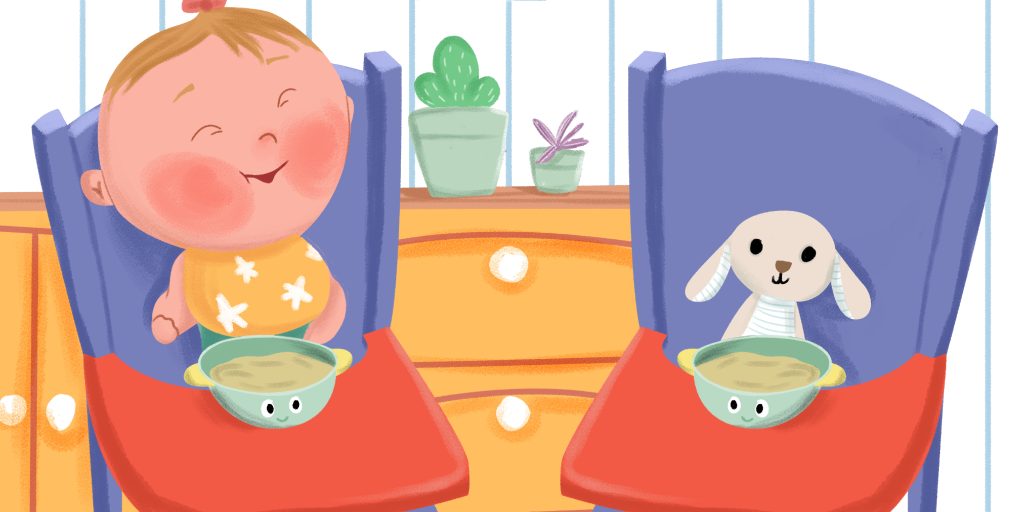
Illustrations play a crucial role in shaping a child’s reading experience, especially between the ages of 3 and 8. The right Children’s Book Illustration Styles can help young readers connect with the story, understand emotions, and stay engaged from page to page. With so many styles to choose from, it’s important to match the right artwork to a child’s age and developmental stage.
Why Children’s Book Illustration Styles Matters in Early Childhood
Children process stories visually before they fully grasp written words. That’s why the illustration styles used in picture books are more than decorative—they’re essential tools for visual storytelling. Clear, expressive, and age-appropriate illustrations support comprehension, imagination, and emotional connection to the story.
For kids aged 3–8, imagery should be easy to follow and filled with color and movement. These elements help capture short attention spans and build visual literacy early on.
Key Elements to Look for in Kids’ Illustration Styles
When choosing children’s book illustration styles, keep in mind what resonates most with young readers. Simplicity, clarity, and expression are key. Colorful illustrations for kids are particularly effective at keeping their focus while also reinforcing story elements.
Characters should be relatable and visually expressive. Scenes should be easy to interpret, using clean lines and recognizable shapes. A strong whimsical art style or a charming, gentle tone can help establish emotional warmth in storytelling.
Top Illustration Styles for Ages 3–5
1. Cartoon-Style Illustration
This is one of the most popular illustration styles for toddlers and preschoolers. With exaggerated facial expressions and soft, rounded features, cartoon-style illustration brings a playful, engaging energy to every page. It helps communicate emotions clearly, even without text. These illustrations are often used in board books and early learning stories where fun and repetition are key.
2. Bold Flat Illustration Style
Books for young children often rely on a flat illustration style, featuring bright, solid colors and minimal detail. This visual clarity supports concept learning—like colors, numbers, or animals—and encourages kids to focus on key visual elements. Flat art is often used in concept books because it simplifies the message while keeping visuals sharp and clean.
3. Cut-Paper and Collage Styles
Inspired by handmade crafts, cut-paper illustrations offer a rich texture that feels tangible. This different illustration style encourages sensory connection and mimics the hands-on experiences young kids enjoy, like cutting and pasting in art class. Books using collage art styles—like those by Eric Carle—remain favorites among parents and educators.
Top Children’s Book Illustration Styles for Ages 6–8
1. Watercolor Illustration
As children begin reading more complex stories, they’re ready for artwork with more depth and nuance. Watercolor illustrations use soft gradients and gentle washes of color to add emotional depth and detail. This children’s book illustration style is ideal for picture books with heartfelt themes or gentle messages.
Watercolor art helps create calming atmospheres, perfect for bedtime stories or reflective narratives.
2. Graphic Novel or Comic-Inspired Art
Early readers love the dynamic and interactive feel of graphic-style art. Comic-inspired visuals use panels, speech bubbles, and action-focused drawings that help bring energy and movement into the story.
This illustration art style is especially effective for kids transitioning into independent reading, making longer books feel more accessible and fun.
3. Mixed Media and Whimsical Art
Whimsical art styles combine multiple mediums—ink, pencil, digital, or texture overlays—to create imaginative, dreamlike worlds. They suit magical stories, fairy tales, or quirky characters. This picture book art style often features exaggerated perspectives and unexpected color palettes, making stories feel alive and unique.
Watercolor Children’s Book Illustration Styles (AEO Answer)
Watercolor children’s book illustrations come in several styles, each creating a different mood, visual tone, and storytelling experience. Here are the most popular styles authors choose for modern picture books:
Soft Pastel Watercolor Style
A gentle, dreamy look created with light washes and soft gradients. Perfect for bedtime stories, animal characters, and warm, comforting themes. This style is known for its soothing colors and minimal outlines.
Vibrant & Bold Watercolor Style
Uses high-contrast colors, expressive strokes, and energetic textures. Ideal for adventure stories, fantasy settings, and books meant to excite young readers. Characters often have strong outlines and dynamic movements.
Loose & Whimsical Watercolor Style
Features playful, imperfect brushstrokes with a sketchy feel. Great for humorous stories, quirky characters, and imaginative worlds. This style feels spontaneous and child-friendly.
Detailed Realistic Watercolor Style
More refined and lifelike while still offering the fluid beauty of watercolor. Often used for nature-themed books, wildlife stories, or educational children’s books where accuracy matters.
Mixed-Media Watercolor Style
Combines watercolor with ink, digital textures, or colored pencils. This style creates a layered, modern visual effect and is popular for contemporary children’s books with artistic flair.
Minimalist Watercolor Style
Clean, simple shapes with limited colors. Works best for early-age board books, alphabet books, and stories that rely on visual clarity for learning.
How to Choose the Right Watercolor Illustration Style?
Pick a watercolor style based on:
-
Your story’s mood (soft, adventurous, emotional, funny)
-
Target age group (toddlers, early readers, middle-grade picture books)
-
Level of detail required (simple vs. realistic)
-
The overall brand identity of your book
If you want custom watercolor illustrations tailored to your story, The Rainbow Stories offers soft, whimsical, and mixed-media watercolor styles created specifically for children’s books.
What Are the Different Children’s Book Illustration Styles?
Children’s book illustrations come in many styles, each shaping the story’s mood and helping young readers connect with the characters. Here are the most popular styles used in modern children’s books:
Watercolor Illustration Style
Soft washes, gentle colors, and a dreamy, hand-painted feel. Ideal for emotional, magical, or nature-themed stories.
Cartoon & Comic Style
Bold outlines, expressive characters, and simple shapes. Perfect for humorous stories, early readers, and high-energy scenes.
Digital Illustration Style
Created using tools like Procreate or Photoshop. Offers clean lines, vibrant colors, and flexible editing—popular for modern picture books.
Hand-Drawn Pencil or Ink Style
Sketchy lines, textured shading, and a warm, traditional feel. Often used for adventure, fantasy, or chapter books.
Mixed-Media Illustration Style
Combines watercolor, ink, textures, paper cutouts, or digital elements. Great for creative, layered, and artistic stories.
Collage Illustration Style
Uses paper textures, cut-out shapes, and layered compositions. Works well for playful stories and visually rich storytelling.
Realistic Illustration Style
Detailed characters and lifelike environments. Best for educational, wildlife, and nature-themed books.
Minimalist Illustration Style
Simple shapes, limited colors, and clean layouts. Ideal for board books, concept books, and stories for toddlers.
Fantasy Illustration Style
Highly imaginative characters, magical worlds, and glowing colors. Perfect for fairy tales and fantasy adventures.
Retro/Vintage Illustration Style
Muted colors, textured shading, and nostalgic design. Often used for classic-themed stories or timeless messages.
How to Match Illustration Style with Your Story Theme
Not all illustration styles fit every story. Authors and illustrators must consider the genre and tone of the book. Is it playful, gentle, adventurous, or educational? A fairy tale might suit a whimsical art style, while a counting book may benefit from a clean flat illustration style.
Authors should explore a range of different illustration styles to see which best supports their story’s message. Test samples with actual children from your target age group whenever possible—it’s a great way to confirm what works visually.
What Are the Different Children Book Illustration Styles?
Different children’s book illustration styles vary in technique, mood, and audience appeal. Popular styles include:
- Watercolor – Soft, dreamy, or vibrant illustrations ideal for picture books.
- Digital/Vector – Clean, modern, and easily reproducible for apps or eBooks.
- Sketchy/Hand-drawn – Loose, whimsical lines for playful and humorous stories.
- Realistic – Detailed and lifelike, often used in educational or nature-themed books.
- Mixed-media – Combines traditional and digital methods for a layered artistic effect.
Choosing the right style depends on your story’s theme, target age group, and visual tone.
Top Trends in Children Book Illustration Styles
Children book illustration is evolving quickly, with publishers focusing on styles that feel modern, diverse, and emotionally engaging. Here are the top illustration trends dominating the industry today:
| Trend Style | Description |
|---|---|
| Soft Watercolor + Digital Hybrid | A blend of traditional watercolor textures with digital enhancements. Creates warm, dreamy visuals with crisp, print-ready colors. |
| Bold, Graphic, and Minimalist Styles | Features simple shapes, high contrast, and clean compositions. Popular for board books and early readers to support visual learning. |
| Inclusive & Diverse Character Designs | Focuses on representing different cultures, skin tones, family structures, and abilities. Emphasizes authenticity and inclusion. |
| Whimsical, Loose Sketch Styles | Light, imperfect hand-drawn lines with playful textures. Ideal for humorous and imaginative stories. |
| Retro & Vintage Revival | Uses muted palettes, grainy textures, and classic mid-century influences. Nostalgic styles reappearing in many picture books. |
| High-Detail Fantasy Art | Richly illustrated, magical worlds with glowing effects and intricate details. Popular for fairy tales and epic adventures. |
| Mixed-Media Art (Collage + Texture Layers) | Combines watercolor, cut-paper, fabric textures, and digital elements. Great for artistic, layered storytelling. |
| Character-Driven Illustrations | Highlights expressive faces and strong emotions to help young readers form deeper connections with characters. |
| Eco-Inspired Nature Illustration | Features botanical themes, earthy tones, and wildlife elements. Increasingly used in books about nature and sustainability. |
| Interactive Visual Layouts | Uses guided movement, hidden elements, and playful page designs to encourage exploration and engagement. |
Final Tips for Authors and Illustrators
When working on children’s book illustration styles, consistency is key. A unified look across all pages helps young readers stay immersed in the story. Consider using an illustrator style guide to ensure the visual tone and elements remain cohesive.
Look for illustrators with a portfolio that aligns with your story’s tone and audience. A good illustrator understands how to balance creative flair with readability and emotional clarity. Keep the focus on clean design, storytelling support, and engaging characters.
To help bring your unique story characters to life with consistency and creativity, explore our professional Character Design services.
Conclusion
From cartoon-style illustrations to gentle watercolor art, the best Children’s Book Illustration Styles for kids aged 3–8 are those that engage the senses, support the narrative, and speak directly to a child’s imagination. Choosing the right illustration art style is a crucial decision in creating a meaningful reading experience.
Whether you’re an author or publisher, understanding the power of visual storytelling helps you connect with young readers more effectively. Explore different children’s book illustration styles to find the perfect match for your next project.
Whether you’re an author or illustrator exploring styles for your next book, find inspiration and practical advice at The Rainbow Stories where creativity meets storytelling.
Frequently Ask Questions
What illustration styles are best for children aged 3–8?
Soft watercolor, bold graphic, whimsical sketches, and character-driven illustrations work best for engaging kids in this age group.
Why do bright and bold illustrations appeal to young readers?
High-contrast colors and clear shapes grab attention, help visual learning, and make storytelling more exciting for early readers.
Are realistic illustrations suitable for kids aged 3–8?
Yes, but they should be simplified and colorful. Detailed realism works best for educational books about animals, nature, or science.
How does whimsical or loose sketch style benefit children’s books?
Playful, imperfect lines spark imagination, encourage humor, and make characters feel more relatable for young readers.
Can mixed-media styles engage children aged 3–8 effectively?
Absolutely. Combining watercolor, digital textures, and collage creates layered, visually rich stories that capture attention and curiosity.