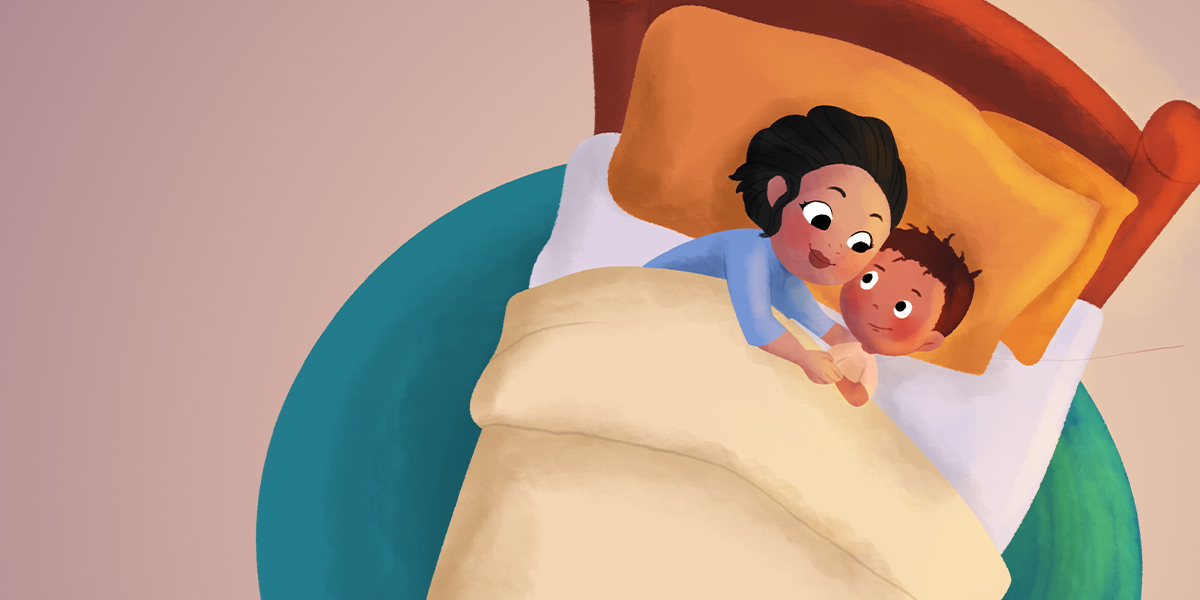
A personalized book transforms ordinary story time into a magical bonding experience by featuring your child as the hero. When children recognize their name, likeness, and unique traits on the page, their eyes light up and so does the emotional connection with parents. These beautifully crafted stories foster open dialogue, invite shared smiles and laughter, and deepen emotional trust.
In this post, you’ll discover how personalized books for kids strengthen parent‑child bonding through engagement, confidence‑building, language development, empathy, and the creation of cherished family keepsakes.
Personalized Book Drives Shared Reading Engagement
A personalized baby book immediately captivates a child’s attention spotting their own name ignites curiosity and genuine delight. Research confirms that during shared reading of personalized stories, both parents and children exhibit more smiles, laughter, and lively conversations.
This heightened engagement transforms traditional reading into warm, interactive bonding time. Kids not only listen they participate, reacting to seeing themselves become the center of adventure. They point, ask questions, and share excited observations, which deepens parent-child exchange.
Parents often report more back-and-forth chatter and meaningful eye contact when the child is the story’s hero. This dynamic encourages reciprocal interaction, making reading a two-way experience rather than a passive activity.
With personalized kids books, the experience transcends mere entertainment. Instead, reading becomes a cherished ritual one filled with affection, attention, and authentic connection laying the foundation for stronger emotional bonds and shared memories.
Also Read:How to Create a Personalized Baby Memory Book That Lasts a Lifetime
Deeper Emotional Bonding & Trust
Spotting their name and likeness in a story builds emotional warmth and belonging. These moments nurture trust and closeness in a way that traditional reading may not.Children feel seen strengthening emotional attachment and reinforcing that they matter.
When caregivers read these personalized stories, conversations expand into discussing thoughts and feelings. That open dialog builds a foundation of emotional security and responsive parenting. It’s more than storytelling it’s relationship-building encoded in narrative.
Boosts Language Development & Interaction
Personalized stories spark vocabulary growth as children learn words tied to their own life. Parents naturally ask more questions “How do you think you feel? “encouraging language use and active listening. These exchanges promote cognitive growth and parent-child conversational bonding.
Interactive reading with personalized books creates a back-and-forth rhythm that supports learning. Parents and kids co-create meaning this shared process enhances understanding and closeness. Hence personalized books for kids are potent tools for language and relationship development.
Boosted Confidence, Identity & Self-Worth
Being the protagonist empowers children—reinforcing positive self-worth and identity. When they’re praised in the story, children internalize messages like “I can be brave” or “I matter.”That emotional uplift grows confidence and self-esteem through positive narrative modeling.
Parents witness their children take pride in naming themselves as the hero. They sense a stronger connection knowing the story was created just for them. These emotional boosts contribute to lasting parent-child affection.
Read More:Personalized Baby Books vs. Traditional Baby Books: What’s the Difference?
Fosters Empathy & Imagination
Personalized books often include situations where the child helps friends or solves problems. This encourages children to reflect on thoughts and feelings both their own and others’. Personalized stories nurture empathy and creative thinking by engaging emotional awareness.
By placing the child in caring or imaginative roles, these stories broaden social-emotional growth. This type of narrative modeling supports creativity and builds deeper parent-child discussions about “why” and “how. “Exploring these ideas together strengthens bonds and emotional intelligence.
Becoming Family Keepsakes & Traditions
Personalized books often become treasured heirlooms, revisited across years and siblings. They mark milestones birthdays, first day of school, new sibling arrival creating lasting memories. These books become anchors in family rituals and traditions.
Re-reading a beloved personalized story sparks nostalgia for both generations.Children remember the excitement of seeing themselves as the hero, while parents recall earlier years. That shared history strengthens emotional ties and reinforces love.
Create a Personalized Baby Book For Your Children
The Rainbow Stories turn story time into a magical experience with custom baby books featuring your child’s name, traits, and adventures making every page truly their own.
How Can Personalized Stories Foster Emotional Intelligence in Children?
Personalized stories help children become more aware of their emotions by placing them at the center of the narrative. When children see their own name and traits in a story, they relate more strongly to the character’s feelings, making emotional moments easier to understand.
Helping Children Recognize and Name Emotions
When a story shows the child character feeling happy, nervous, angry, or proud, young readers begin to recognize these emotions in themselves. This helps children learn how to identify and name what they are feeling, which is an important part of emotional intelligence.
Teaching Healthy Emotional Responses
Personalized stories often show characters handling emotions in positive ways, such as calming down after frustration, sharing feelings with others, or showing kindness. Children learn by example and are more likely to follow these behaviors in real-life situations.
Encouraging Empathy Through Storytelling
Seeing situations from a character’s point of view helps children understand how others feel. Personalized stories make this lesson stronger because the child imagines themselves in those moments, which naturally builds empathy and compassion.
Creating Meaningful Parent-Child Conversations
Personalized stories open the door for discussion during reading time. Parents can ask simple questions about feelings and choices in the story, helping children express emotions and think through situations in a supportive environment.
Long-Term Emotional Growth
Over time, repeated exposure to personalized stories helps children communicate better, manage emotions, and build confidence. These skills support healthier relationships and emotional well-being as children grow.
Practical Tips to Maximize Bonding
Personalized books become more meaningful when tailored with age-appropriate elements such as a child’s photo, name, traits, or setting. While reading together, you can encourage conversations about their thoughts and feelings to spark deeper dialogue. Making the book part of daily routines like bedtime, cuddle time, or weekend reflections strengthens both connection and consistency.
When blended with traditional reading habits, personalized stories from The Rainbow Stories not only support literacy but also nurture emotional bonds. Adding personal growth books into the mix introduces universal themes and values, creating a balance that helps children build a strong sense of identity while learning and sharing together.
Conclusion
A personalized book does more than tell a story it deepens the parent-child bond through engagement and emotional connection. Shared reading becomes richer as children see themselves as heroes, boosting their language skills, confidence, and empathy. These stories foster meaningful dialogue about thoughts and feelings, transforming book time into a space of trust and growth.
Personalized books often become treasured keepsakes, woven into family traditions and remembered years later. By celebrating your child as the protagonist, these books strengthen both learning and lasting emotional ties. Consider adding one to your family library today.
Frequently Ask Question
What are personalized children’s books?
Personalized children’s books are stories that include a child’s name, appearance, interests, or family details within the narrative. This personal touch helps the child feel like an active part of the story rather than just a listener. Because the story reflects their own world, children connect with it more easily and stay engaged from start to finish.
How do personalized books help parents bond with their children?
Personalized books create meaningful shared moments during reading time. Parents can pause to talk about the story, ask questions, and relate scenes to real-life experiences. Since the child feels personally involved, they are more open, expressive, and emotionally connected during these moments, which strengthens the parent-child relationship.
At what age do personalized books work best for bonding?
Personalized books are especially effective for children between ages 2 and 8. At this stage, children respond strongly to hearing their own name and seeing familiar details in stories. However, even younger toddlers benefit from the repetition and attention, while older children enjoy stories that reflect their growing sense of identity.
Do personalized books improve a child’s interest in reading?
Yes. When children see themselves as the main character, reading feels exciting rather than routine. This increased attention helps improve focus, vocabulary, and early reading confidence. Over time, positive reading experiences can turn into a lasting interest in books and storytelling.
Can personalized books support emotional development?
Personalized stories often include themes like kindness, courage, friendship, and family, presented in ways children can relate to. Seeing themselves overcome challenges or express emotions in a story helps children understand their own feelings. This builds confidence, empathy, and a stronger sense of belonging both at home and beyond.