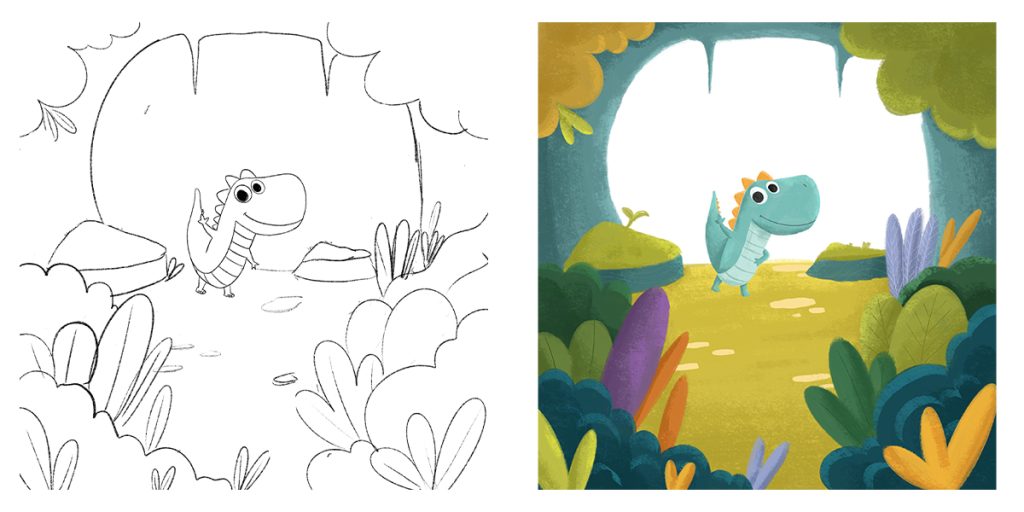

If you’re a children’s book author or illustrator, you already know that a great story isn’t just about words it’s about how those words come to life on the page. That’s where this storyboarding guide comes in. Storyboarding helps you plan your visuals, organize your ideas, and turn your imagination into a clear visual journey for young readers. Whether you’re writing a picture book, a comic-style children’s story, or an illustrated chapter book, using a storyboard can make your storytelling smoother, more engaging, and much more fun.
In this beginner-friendly blog, you’ll learn what a storyboard is, why it matters, and how to storyboard your children’s book step-by-step. We’ll also share practical storyboarding tips to help you create strong visuals even if you’re just getting started.
What is a Storyboard?
A storyboard is a visual outline of your story. Think of it as a comic strip version of your book before you begin the final illustrations. It consists of small boxes called panels showing the key scenes in sequence. Under each panel, you can add notes, dialogue, and ideas for illustrations.
In simple words:
A storyboard is your story’s blueprint. It helps you picture how each page will look, what happens next, and how the story flows from start to finish.
For children’s book creators, a storyboard is especially helpful because young readers need:
- Clear visuals
- Smooth transitions
- Emotional connection
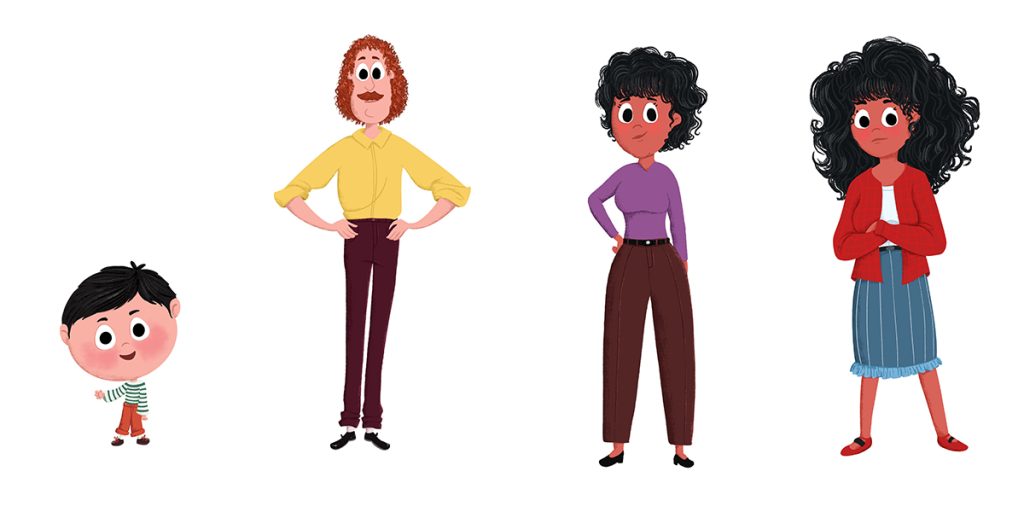
- Consistent character design
This makes planning ahead through storyboarding a game-changer.
Why Storyboarding Matters for Children Books
Children’s books rely heavily on visuals. The illustrations don’t just support the story they tell the story. Storyboarding helps ensure:
- Each page has a purpose
- The emotional journey stays consistent
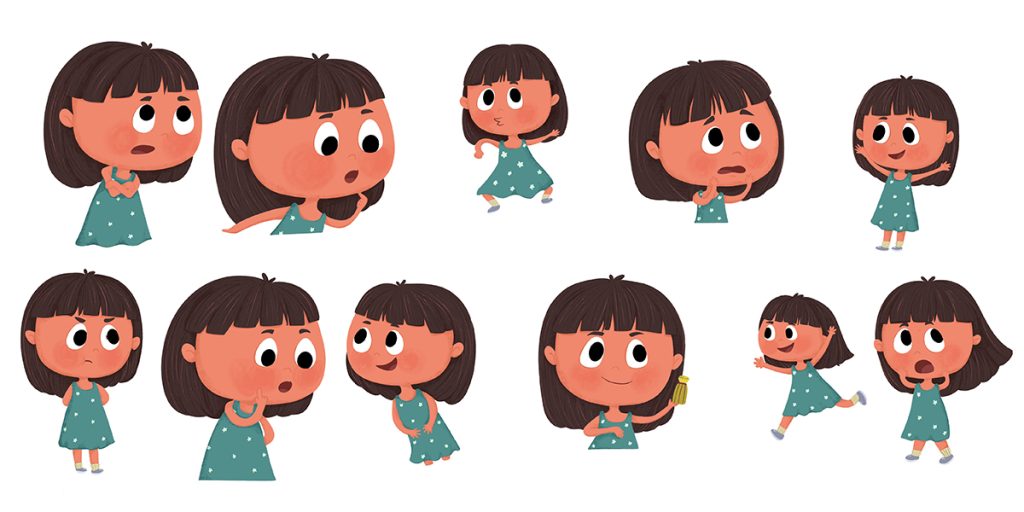
- Characters look the same on every page
- You avoid plot gaps and confusing scenes
It acts as a visual organizer that saves you time, reduces rewrites, and gives you a full picture of your book before you begin detailed artwork.
How to Storyboard Your Children’s Book (Step-by-Step)
If you’re completely new to storyboarding, don’t worry! This storyboarding for beginners guide keeps things simple and stress-free.
Step 1: Break Your Story Into Scenes
Before sketching, divide your story into key moments—like chapters, scenes, or page spreads. In a 28–32 page children’s book, you’ll usually have:
- Opening scene (introduction)
- Rising action (problem builds)
- Climax (big moment)
- Resolution (happy ending or lesson)
Write one sentence for each scene. This becomes the backbone of your storyboard.
Step 2: Choose Your Storyboard Format
You can create a storyboard in different formats—choose the one that feels comfortable:
| Format | Best For |
|---|---|
| Paper & Pencil (A4 sheet with boxes) | Beginners who like to sketch freely |
| Printed Storyboard Template | Organized planning with panel space |
| Digital Tools (Procreate, Canva, Storyboarder) | Those who want clean layouts |
Tip: Start simple. A pencil and paper are more than enough for your first storyboard.
Step 3: Draw Rough Sketches (Keep Them Simple!)
This is not the time for perfect illustrations. Stick figures and rough shapes are totally fine. The goal is to plan:
- Placement of characters
- Main actions in each scene
- Backgrounds & environment ideas
- Emotional expressions
Your sketches only need to communicate the main idea, not look polished.
Step 4: Add Notes Below Each Panel
Use simple notes such as:
- What is happening in the scene?
- What emotions should the characters show?
- Any important dialogue or narration?
- Page orientation (single page or 2-page spread)
This is where your story starts gaining structure.
Step 5: Review the Flow of the Story
Read your storyboard like a book. Ask yourself:
- Does the story move smoothly?
- Will a child understand this sequence easily?
- Are any scenes too slow or rushed?
- Does each page add value to the story?
If something feels unclear, adjust before moving ahead.
Also Read:Create Storyboards That Bring Story Ideas to Life
Storyboarding Tips for Children’s Book Creators
Here are beginner-friendly storyboarding tips to help you create a strong visual story:
- Think Visually – Children connect with images more than text, so show emotions, actions, and setting visually.
- Balance Words & Illustrations – Use simple text and let the illustrations speak when possible.
- Focus on Expressions – Kids relate to characters through their feelings. Show joy, fear, surprise, and growth.
- Maintain Consistency – Keep character appearance, colors, and style consistent.
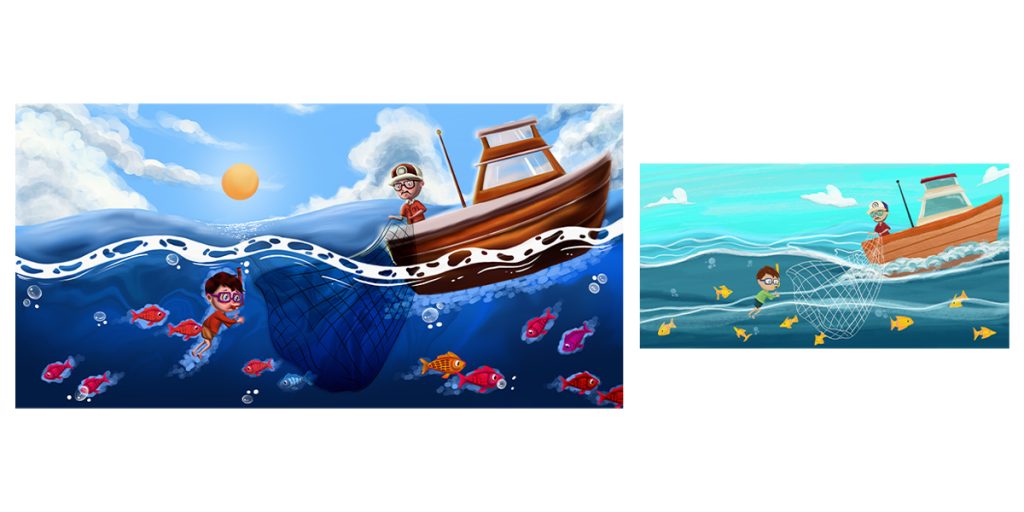
- Zoom In & Zoom Out – Use a mix of close-ups (emotions), medium shots (actions), and wide shots (scenes and settings).
- See Through a Child’s Eyes – Think about how a child experiences the story. Will they stay engaged?
Example: Mini-Storyboard for a Children Story
Story: “Mia and the Lost Balloon”
| Page | Sketch Idea | Notes |
|---|---|---|
| 1 | Mia holding a balloon in the park | Introduce character & setting |
| 2–3 | Balloon flies away | Show emotion & action |
| 4–6 | Mia follows balloon meeting new animals | Adventure begins |
| 7–8 | Balloon caught in a tree | Climax |
| 9 | Squirrel helps retrieve it | Friendship moment |
| 10 | Mia shares balloon with squirrel | Happy ending with a lesson |
This simple outline becomes your first storyboard draft.
Also Read:Storyboarding 101: Build Better Children Stories
Tools to Help You Storyboard
You can start with free or easy-to-use tools such as:
- Paper, sticky notes, sketchbook
- Canva storyboard templates
- Procreate storyboard brushes
- Toon Boom Storyboard Pro (advanced)
- Wonder Unit “Storyboarder” (free software)
If you are completely new, sketching on paper is the best and most relaxing approach.
Conclusion:
Storyboarding doesn’t require artistic perfection only imagination, clarity, and planning. With this beginner-friendly storyboarding guide from The Rainbow Stories, you now know how to storyboard your children’s book in a simple and enjoyable way.
Your storyboard is your creative roadmap. It helps you visualize your story, refine ideas early, and deliver a magical reading experience for young readers. Start with small sketches, keep the focus on emotions and storytelling, and allow your creativity to flow.
The more you storyboard, the better your storytelling becomes and soon, your sketches will transform into a beautiful children’s book that inspires and delights little minds, brought to life with guidance from The Rainbow Stories.
Frequently Ask Questions
What is a storyboard and why is it important for children’s books?
A storyboard is a visual plan of your story created through small sketches arranged in sequence. It helps children’s book authors map out scenes, page layouts, character actions, and emotional flow before final illustration. Storyboarding keeps the story clear, engaging, and visually consistent for young readers.
How do I start storyboarding if I’m a complete beginner?
To begin storyboarding, break your story into key scenes, choose a simple storyboard template, and sketch rough visuals for each page. Focus on the main actions and emotions rather than detailed drawings. Even stick figures are enough when learning how to storyboard for the first time.
Do I need to be good at drawing to create a storyboard?
No, you don’t need to be an expert artist to create a storyboard. Storyboarding is more about planning your visual storytelling than making perfect art. Simple shapes, stick figures, and basic sketches are fine as long as they clearly show the scene, expressions, and action.
How many pages should a children’s book storyboard have?
Most children’s picture books have 24 to 32 pages, so your storyboard should match that structure. A common layout is: 1–2 pages for introduction, 4–6 pages for rising action, 2 pages for the climax, and 2–4 pages for the resolution or moral. This helps maintain a smooth story flow.
What are the best storyboarding tips for children’s book authors?
Some effective storyboard tips include: keep sketches simple, show emotions clearly, maintain character consistency, and balance text with illustrations. Use a mix of close-ups and wide scenes, and review your storyboard to ensure the story flows naturally and stays engaging for children.