When creating a children’s book, words and illustrations must work together like a perfect duo. The writing guides the story, while the artwork brings it to life for young readers. One of the most effective tools to bridge this gap is storyboarding. At The Rainbow Stories, our Storyboarding services help transform scattered ideas into a well-structured, visually engaging, and emotionally immersive story. Many beginners overlook the importance of storyboarding, but it plays a key role in shaping a book that feels clear, connected, and enjoyable from start to finish.
Whether you’re a children’s book writer planning your first draft or an artist preparing to illustrate a story, understanding why storyboarding matters can make the entire creative process easier, faster, and more enjoyable. Through professional Storyboarding services at The Rainbow Stories, writers and artists can build stronger stories with better flow, clear direction, and visuals that truly support the narrative.
What is Storyboarding?
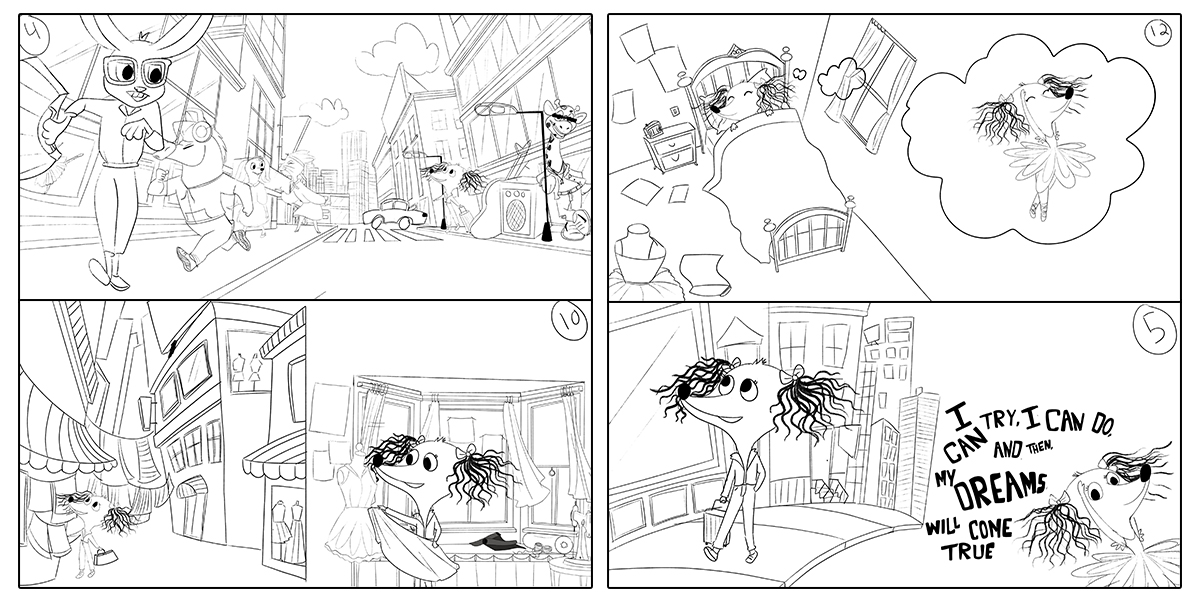
A storyboard is a visual roadmap of your story made up of rough sketches arranged in sequence. Each frame represents a page or a key scene, showing what happens, who is present, where the scene takes place, and how the action unfolds.
For children’s books, a storyboard helps creators visualize:
- The pacing of the story
- How text and visuals will balance
- Emotional beats and reactions
- Character movements and development
- Page-turn moments
In simple words, a storyboard lets you see your book before fully writing or illustrating it.
Also Read:Create Storyboards That Bring Story Ideas to Life
The Importance of Storyboarding for Children’s Book Creators
The importance of storyboarding becomes very clear when you’re working on a visual storytelling project like a picture book. Unlike novels, children’s books rely heavily on illustrations. Young readers observe pictures to understand emotions, character actions, and story transitions—often before they read the text.
Here’s why storyboarding is a game-changer:
- Brings clarity to your story
- Saves time during drafts and revisions
- Strengthens collaboration between writers and artists
- Ensures storytelling rhythm and emotional connection
- Helps creators plan page-turn suspense and engagement
When you start with a storyboard, you set a strong foundation for a well-crafted children’s story.
Why Storyboarding Matters for Writers
Many writers assume storyboarding is only for illustrators but that’s not true. A storyboard helps writers shape a story visually, even before the artwork begins. Here’s why it’s valuable for writers:
Improves Story Structure and Flow
A storyboard helps writers break down the story into clear scenes, making it easier to see how one moment leads to the next. You can quickly spot parts where the story feels too slow, confusing, or rushed, and adjust the pacing early.
Ensures Strong Page-Turn Moments
Children’s books rely on page-turn magic — that exciting anticipation that makes kids eager to see what happens next. A storyboard allows writers to plan suspense, surprises, and emotional beats right where page turns occur.
Helps Balance Words and Illustrations
A good children’s book doesn’t rely on text alone. Writers must learn when to show, not tell. By storyboarding, writers can decide which parts should be visual and which need narration or dialogue—making the story more engaging and easy to read.
Brings Visual Thinking into Writing
When writers use a storyboard, they start thinking like visual storytellers. This strengthens imagination, character actions, and scene-building, resulting in more vivid storytelling.
Also Read:From Sketch to Story: A Beginner’s Storyboarding Guide
Why Storyboarding Matters for Artists
For illustrators, the benefits of storyboarding are even more direct. Instead of jumping straight into detailed artwork, storyboarding helps artists plan the entire book in a simple and low-pressure stage.
Here’s how it helps:
Keeps Artwork Consistent
A storyboard makes it easier to maintain character design, style, background details, and emotional expression throughout the book. Consistency is crucial so characters don’t look different from page to page.
Saves Hours of Redrawing
Imagine finishing 10 polished illustrations only to realize a major plot change. Storyboarding prevents this. Rough sketches let you test ideas and rearrange scenes before committing time to final artwork.
Guides Composition and Camera Angles
Artists can plan perspectives—close-ups for emotional impact, wide shots for setting, and mid-shots for action. This visual rhythm keeps young readers engaged and entertained.
Sets the Mood and Color Story
A storyboard helps artists plan the emotional arc visually—from bright joyful colors in the beginning to tense dark shades in the problem scene, and warm tones in the resolution.
Also Read:Storyboarding 101: Build Better Children Stories
Storyboarding Builds Strong Collaboration Between Writers & Artists
Sometimes, the writer and illustrator are the same person but often they are not. Storyboarding becomes the shared language that connects both creatives. It helps:
- Align the story vision
- Clarify scene details and character roles
- Avoid misunderstandings
- Improve feedback and revisions
With a storyboard, both sides see the story from beginning to end and create a cohesive final book that feels seamless and well-planned.
The Creative Benefits of Storyboarding
Storyboarding isn’t just a planning tool—it boosts creativity. Here’s how:
Encourages experimentation
You can try different scene orders, visual ideas, and page layouts without pressure.
Helps identify emotional beats
Seeing scenes visually makes it easier to enhance the emotional journey for children.
Sparks new ideas
Many writers and artists develop better endings or character moments after seeing the full storyboard.
Gives a “big picture” view
It’s easier to refine themes, morals, and character growth when you see the entire story at once.
When Should You Create a Storyboard?
The best time to create a storyboard is after you have a clear story idea and rough draft but before final writing or illustration begins. Think of it as your middle step:
Idea → Rough Draft → Storyboard → Writing + Final Illustrations
This step saves you time, prevents extra work, and strengthens your story’s structure.
Tools You Can Use for Storyboarding
Beginners don’t need fancy software. You can start with simple tools:
- Paper & Pencil (old-school but effective)
- Sticky notes for movable scenes
- Printable storyboard templates
- Canva or Procreate storyboard layouts
- Storyboarder (free software)
Choose the tool that feels natural for your workflow.
Final Thoughts:
Whether you’re holding the pen or the paintbrush, the importance of storyboarding in children’s book creation is undeniable. At The Rainbow Stories, it acts as a creative compass that guides scenes, pacing, and the emotional journey of every story.
For writers, it improves structure, page-turn moments, and visual awareness. For artists, it supports consistency, composition, and efficient illustration. Working together at The Rainbow Stories, storyboarding helps craft stories that are engaging, visually appealing, and emotionally meaningful for young readers.
If you want your children’s book to be memorable, lovable, and beautifully structured from start to finish, The Rainbow Stories believes storyboarding is a step you should never skip.
Frequently Ask Questions
Why is storyboarding important for children’s book creators?
The importance of storyboarding lies in helping writers and artists visualize the entire story before final creation. It improves pacing, strengthens page-turn moments, and allows both text and illustrations to work together to engage young readers.
What are the benefits of storyboarding for writers?
For writers, the benefits of storyboarding include clearer story structure, better scene flow, stronger emotional beats, and the ability to balance visual storytelling with text. It also helps reduce revisions later because story issues are spotted early.
How does storyboarding help artists illustrate children’s books?
A storyboard supports artists by providing a visual plan that maintains character consistency, saves time on redraws, guides composition, and helps plan color themes and emotional mood. It ensures illustrations align perfectly with the writer’s vision.
Do writers need artistic skills to make a storyboard?
No, you don’t need to be a professional artist to create a storyboard. Simple sketches, stick figures, and basic shapes are enough as long as they show key actions and emotions. The focus is on clarity and visual storytelling—not detailed artwork.
When should writers and artists create a storyboard in the book-making process?
Writers and artists should create a storyboard after the story idea and rough draft are ready but before final writing and illustrations begin. This helps refine the concept, fix pacing issues, and align the creative direction early.