Every author begins with an idea sometimes small, sometimes expansive but turning that idea into a complete, well-structured story is rarely easy. Whether you’re writing a children’s picture book, a fantasy novel, a mystery thriller, or even a script, one of the biggest challenges is organizing all your thoughts into a smooth, engaging narrative. Characters, settings, timelines, and plot points often develop at different speeds, and without a clear system, the story can quickly become overwhelming or lose direction.
This is why storyboarding tools have become such an essential resource for modern authors. Instead of juggling scattered notes, loose sketches, or pages of unconnected ideas, storyboarding lets you map your story visually scene by scene, chapter by chapter. With a storyboard, you can see the flow of events, rearrange moments easily, and identify gaps before they become problems.
These tools offer more than just organization; they spark creativity, strengthen storytelling, and help authors build a complete vision of their book long before writing the final draft. Whether you are a beginner or an experienced writer, storyboarding tools give you the structure, clarity, and confidence needed to create a polished and compelling story from start to finish.
What Is Storyboarding for Authors?
Storyboarding is the process of breaking your narrative into visual blocks or panels. Each block represents a scene, a moment, or a major story beat. Instead of keeping everything trapped in your head or scattered across notebooks, storyboarding tools help you visualize the story in a clear, organized way.
It’s like building a roadmap for your book. You can see the entire journey from beginning to end before writing your final words.
Also Read : Easy Storyboarding Tips for Beginners Who Can’t Draw
1. Storyboarding Tools Bring Structure to Your Story
Many authors struggle with structure. Ideas may pop up at random, scenes may be written out of sequence, or the ending may feel disconnected from the beginning.
Storyboarding tools fix this problem instantly.
They allow you to:
- Organize scenes chronologically
- Rearrange chapters easily
- Spot missing transitions
- Maintain pacing from start to finish
Instead of flipping through notes or rewriting chapters repeatedly, you can drag and drop elements until your story flows perfectly.
This structured approach saves hours of rewriting and improves the overall quality of the narrative.
Also Read : Turn Story Ideas Into Visual Adventures with Boards
2. They Enhance Creative Visualization
For authors, especially those writing fantasy, children’s books, or complex fiction, visual imagination is everything. Storyboarding tools help bring your world to life before you even begin writing the first draft.
With visual boards, you can:
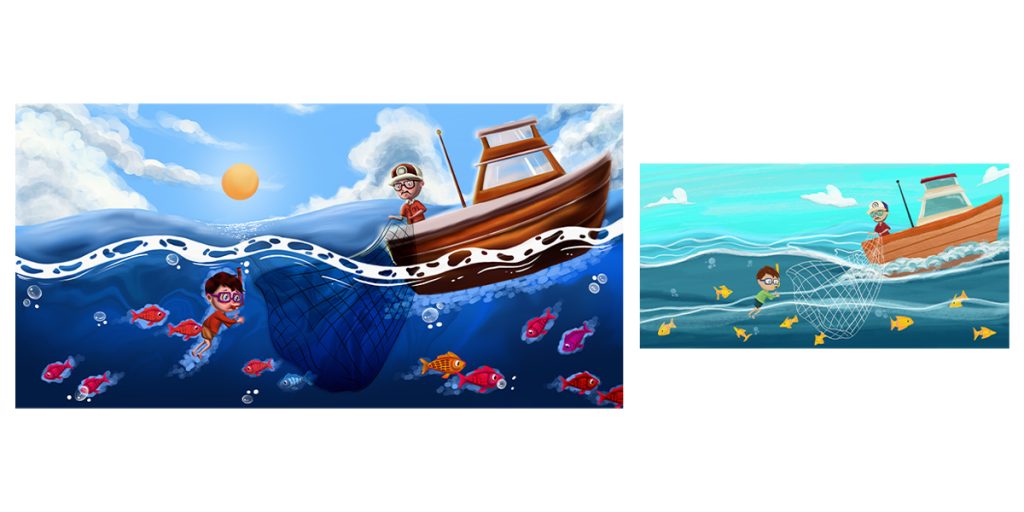
- Map out scenery and settings
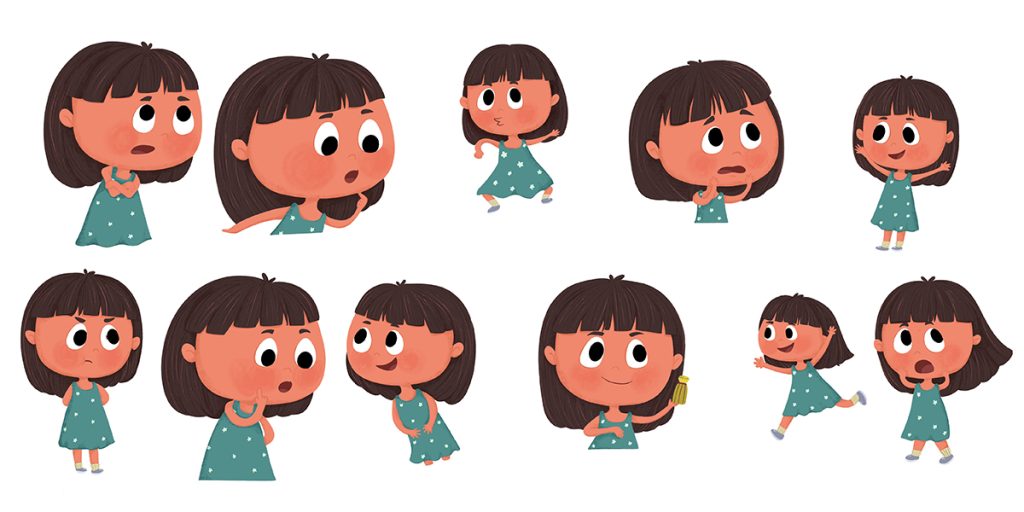
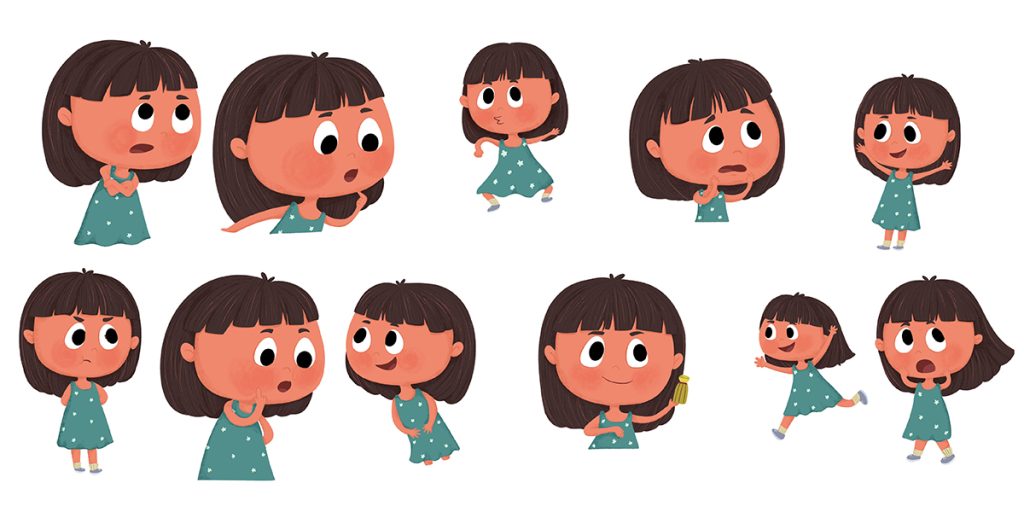
- Visualize character interactions
- Understand the spatial layout of scenes
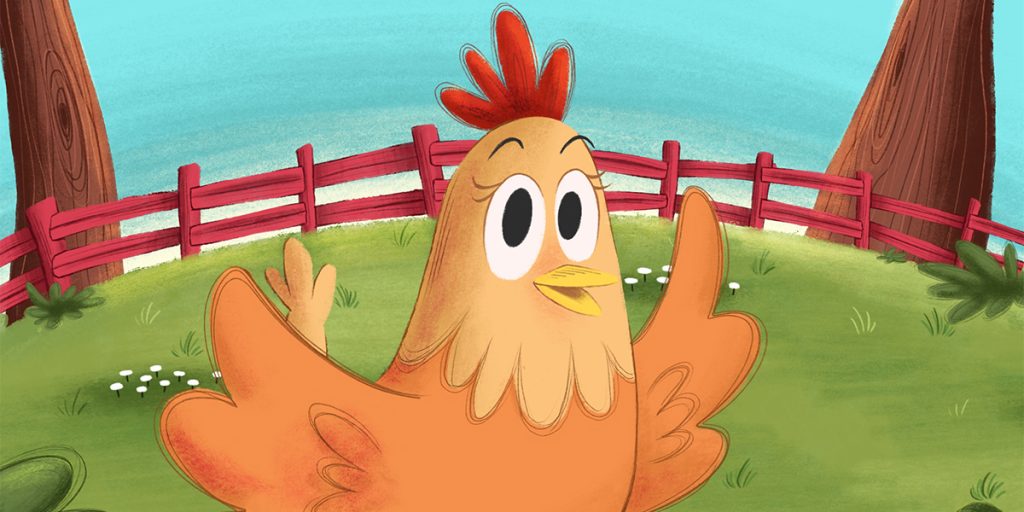
- Plan illustrations or artwork (especially for children’s books)
This is particularly helpful for authors who collaborate with illustrators, designers, or publishers. Visual references reduce misunderstandings and ensure everyone is on the same page creatively.
Also Read : Storyboarding for Kids’ Books and Digital Stories
3. They Simplify Complex Plotlines
Not all stories follow a straight line. Some have:
- Flashbacks
- Dual timelines
- Multiple POV characters
- Intertwined subplots
Managing these without a visual aid becomes difficult.
Storyboarding tools allow you to track every storyline separately and then integrate them into the main narrative. You can label each character arc, color-code plot threads, and group related events together.
This ensures:
- No plot hole is left unnoticed
- Every character receives proper development
- Readers experience a smooth and logical story
Authors writing thrillers, fantasy series, or multi-layered novels benefit from this the most.
Also Read : Tell a Beautiful Story in 8 Simple Storyboard Frames
4. They Improve Collaboration With Illustrators and Editors
If you’re writing a children’s book, graphic novel, or illustrated story, collaboration is essential. Writers often struggle to communicate their vision accurately through text alone.
Storyboarding tools solve this by providing:
- Visual scene layouts
- Character positioning
- Panel-by-panel store breakdowns
- Clear instructions for illustrators
Your illustrator or editor can see exactly what you imagine, making the creative process smoother and more efficient.
This reduces revision cycles, saves time, and keeps the entire project aligned.
Also Read : Turn Your Imagination Into Reality with Storyboards
5. They Help Authors Maintain Consistency
Consistency is one of the biggest challenges in storytelling. Characters must behave logically, timelines should match, and recurring details must remain accurate throughout the book.
Storyboarding tools allow you to track consistency by:
- Keeping character notes beside each scene
- Recording recurring locations
- Maintaining dialogue styles
- Tracking emotional tone and mood shifts
This makes the story feel coherent and polished. Even small inaccuracies like a character’s eye color changing or a missing prop can be avoided easily.
Also Read : Pro Storyboarding Tips from Pixar and Disney Artists
6. They Boost Writing Speed and Productivity
A major benefit many authors don’t realize is that storyboarding speeds up the writing process dramatically.
With a clear roadmap:
- There’s no confusion about what happens next
- Writer’s block becomes less frequent
- Each writing session becomes more focused
- You can estimate writing time more accurately
Instead of staring at a blank page, you work from a visually defined plan. This boosts your confidence and helps you complete projects faster whether you’re writing a book, script, or storyboard-driven content.
Also Read : Why Storyboarding Matters for Writers and Artists
7. They Make Editing and Revisions Easier
Editing a story without structure can feel like trying to untangle a giant knot. When scenes are scattered, repeated, or not linked properly, revisions become frustrating.
Storyboarding tools transform the editing phase:
- You can see the entire story layout in one view
- Editors can comment directly on scenes
- You can shift story beats without rewriting
- Problem areas become easier to identify
This reduces the rewriting workload and ensures the final draft is strong, polished, and ready for publishers or agents.
Also Read : Create Storyboards That Bring Story Ideas to Life
8. They Support Worldbuilding and Character Development
For authors who write in-depth, immersive stories, worldbuilding is crucial. Storyboarding tools allow you to:
- Map character journeys
- Track relationships
- Visualize key locations
- Record rules of the universe
When writing sequels or long series, this becomes even more important.
Having visual boards keeps your story world detailed and believable. It ensures continuity across books and deepens the emotional connection with readers.
Also Read : Storyboarding 101: Build Better Children Stories
9. They Help You Test Different Story Ideas
Every author knows that stories don’t come out perfect on the first try. Sometimes you need to experiment with multiple versions of the plot to see which one works best.
With storyboarding tools, you can:
- Duplicate boards
- Try alternate endings
- Explore different scene orders
- Test character motivations
- Compare plot structures
This gives you creative freedom without committing to long drafts. You can experiment visually until you discover the strongest version of your narrative.
Also Read : Custom Character Development That Matches Your Story Voice
10. They Prepare Your Story for Publishers or Agents
When submitting a manuscript, authors often need to present:
- A clear outline
- Chapter breakdowns
- Character summaries
- Visual references
- Story logic and structure
Storyboarding tools help produce these materials in a clear and professional way. Publishers appreciate organized presentations, and agents are more likely to take interest in stories that demonstrate strong planning and structure.
Also Read : Why Work with The Rainbow Stories for Character Development?
11. They Are Perfect for Self-Publishing Authors
Self-publishing authors have many responsibilities:
- Writing
- Editing
- Designing layouts
- Coordinating illustrations
- Marketing the book
Storyboarding tools reduce the workload by helping plan everything visually from the start. They keep the project organized and ensure the outcome looks professional.
Children’s book creators, in particular, benefit greatly since these books rely heavily on visual storytelling and consistent pacing.
Also Read : Affordable Character Development Packages for Self-Published Authors
12. They Help Build Confidence and Prevent Overwhelm
Writing a book without structure often leads to confusion, stress, and creative burnout. When thoughts are scattered, the process feels overwhelming.
Storyboarding brings clarity.
Authors feel more confident because:
- They can see progress visually
- They know the next step at all times
- Every part of the story feels intentional
- Creativity becomes more enjoyable
With a clear visual plan, the writing journey becomes calmer, focused, and more rewarding.
Also Read : How Our Character Development Brings Your Story to Life
Conclusion
Storyboarding tools have become essential for every author who wants to write with clarity, confidence, and creative control. Writing a book is not just about having a great idea it is about shaping that idea into a structured, engaging, and emotionally consistent story. Without a clear roadmap, even strong concepts can become confusing or difficult to complete. Storyboarding solves this problem by giving authors a visual, organized, and flexible space to plan their narrative from beginning to end.
These tools help writers map out scenes, balance pacing, track character arcs, and identify gaps long before drafting begins. They make collaboration smoother, especially for authors who work with illustrators, editors, or publishers. Visual storyboards also reduce time spent on revisions, because potential issues are easy to spot and fix early.
Most importantly, storyboarding tools empower authors to think more creatively. By seeing the story unfold visually, writers gain fresh ideas, stronger transitions, and improved storytelling flow. Whether you’re a beginner or an experienced author, storyboarding enhances productivity, improves quality, and ensures your final manuscript feels complete and compelling.