
Storyboarding is one of the most powerful planning techniques available to creators today. Whether you’re writing a book, producing a video, designing a children’s story, planning an animation, or developing marketing content, a storyboard gives you the ability to visualize your ideas before you begin final production. It transforms abstract thoughts into clear, organized scenes that help your story flow naturally from one moment to the next.
Yet many creators hesitate to start storyboarding because they assume it requires complex tools, artistic skills, or advanced techniques. The truth is that storyboarding can be incredibly simple and that simplicity is what makes it so effective. You don’t need detailed drawings, expensive software, or professional-level training. All you need is a reliable framework that helps you map your vision clearly and efficiently.
Simple storyboarding frameworks make the creative process faster, smoother, and more structured. They allow creators to break down ideas into manageable pieces, maintain narrative consistency, and avoid confusion as the project grows. With the right framework, you can visualize character movement, track emotional beats, plan transitions, and communicate your ideas to editors, illustrators, or team members with ease.
Whether you’re a beginner or an experienced creator, simple frameworks help you stay focused without overwhelming your process. They guide you through storytelling step by step, while still giving you the freedom to explore new ideas and creative directions. In this guide, you’ll discover easy-to-use storyboarding frameworks that will help you plan, refine, and elevate your creative projects with clarity and confidence.
1. The Three-Act Storyboarding Framework
The three-act structure is one of the oldest and most reliable frameworks for storytelling. It works perfectly for authors, filmmakers, and content creators who want a straightforward visual layout for their narrative.
Act 1 – Setup
This is where you introduce:
- Characters
- The setting
- The tone
- The main conflict or challenge
Storyboard panels in Act 1 usually show the normal world before tension begins.
Act 2 – Confrontation
This is the longest part of your storyboard. It includes:
- Rising action
- Obstacles
- Emotional tension
- Character development
Your panels should display complications, turning points, and moments of growth.
Act 3 – Resolution
In the final section, the story reaches its conclusion:
- The conflict is resolved
- Characters transform
- The emotional arc completes
Why beginners love this framework:
It is simple, predictable, and easy to map visually. Only three major sections to organize—perfect for quick planning.
Also Read : Storyboarding Mistakes Beginners Should Avoid (Complete Guide)
2. The Five-Panel Framework (Ideal for Short Stories & Videos)
Short creators (YouTubers, TikTok marketers, children’s book authors, and ad creators) often need a compact structure. The five-panel storyboard is ideal for fast pacing and clear communication.
Panel 1 – Hook
Grab attention immediately.
Example: A character faces a surprising problem.
Panel 2 – Setup
Briefly introduce context.
Panel 3 – Action
Show what the character tries to do.
Panel 4 – Conflict
Introduce a challenge or twist.
Panel 5 – Resolution
Show the final outcome.
Why it works:
It’s fast, easy, and works perfectly for short-form storytelling or social media videos.
Also Read : Why Every Author Should Use Storyboarding Tools
3. The Grid Framework
This framework is widely used in animation studios and children’s book publishing. It focuses on dividing the page into equal squares (like a comic strip) to map scenes in sequence.
How it works:
- Each square represents one moment or action.
- You can sketch multiple variations quickly.
- It helps you see flow, spacing, and visual hierarchy.
This method is especially useful for creators who need to maintain consistent pacing, such as picture book authors or graphic artists.
Why creators love it:
The grid layout feels natural, organized, and visually satisfying. It’s also easy to share with editors or illustrators.
Also Read : Easy Storyboarding Tips for Beginners Who Can’t Draw
4. The Emotional Beat Framework
Modern creators, especially writers and filmmakers focus heavily on emotion. This framework helps map the emotional journey instead of just the plot.
How to use it:
Divide your storyboard based on emotional beats:
- Curiosity
- Tension
- Surprise
- Fear
- Relief
- Joy
- Hope
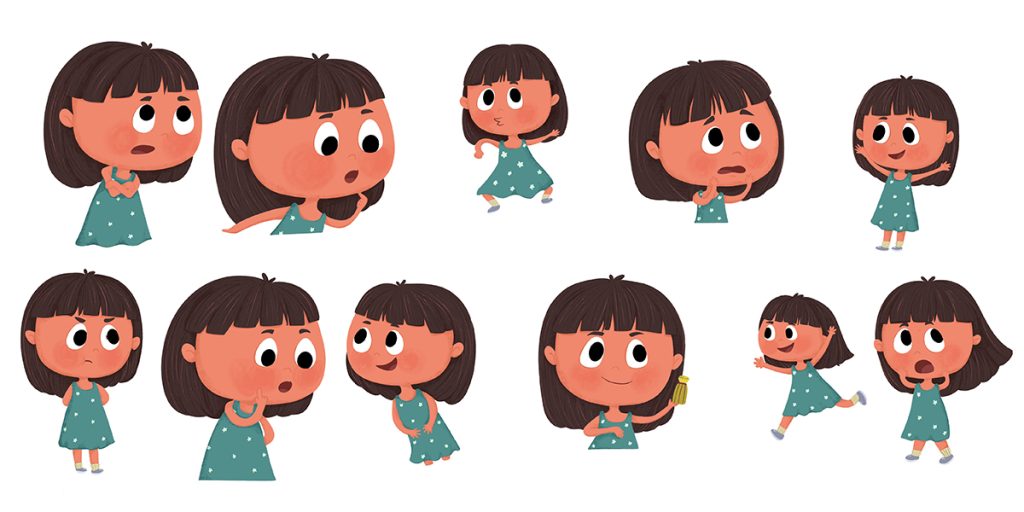
Each panel should visually show how characters feel, not just what they do.
This framework is powerful for:
- Character-driven novels
- Children’s books
- Inspirational videos
- Animated storytelling
By focusing on emotion, your storyboard becomes deeper, more human, and more engaging.
Also Read : Turn Story Ideas Into Visual Adventures with Boards
5. The Problem-Solution Framework (Great for Marketing)
Businesses and content creators often need simple storyboards for advertisements or explainer videos. This framework is perfect for that.
Panel 1 – The Problem
Show the pain point or challenge.
Panel 2 – Agitation
Highlight how it affects life or business.
Panel 3 – Introduction of Solution
Introduce your product, service, or character.
Panel 4 – How It Works
Show transformation or process.
Panel 5 – Final Benefit
Show the clear benefit or happy ending.
Why marketers use it:
It sells through storytelling instead of hard promotion.
Also Read : Storyboarding for Kids’ Books and Digital Stories
6. The Journey Framework
This framework is built around movement from one place, emotion, or situation to another. It works well for:
- Hero journeys
- Travel videos
- Life transition stories
- Concept-to-completion project presentations
How it works:
Storyboard your project in stages of transformation:
- Beginning
- Challenge
- Growth
- Discovery
- Change
- Ending
Why it works:
It visually tracks development, making the story feel meaningful.
Also Read : Tell a Beautiful Story in 8 Simple Storyboard Frames
7. The Scene-by-Scene Framework
This is one of the simplest and most flexible frameworks for beginners. You break your story into individual scenes and place one scene per panel.
How to structure it:
- Panel 1: Scene 1
- Panel 2: Scene 2
- Panel 3: Scene 3
- And so on…
Scenes can include:
- Location
- Characters present
- Objective
- Conflict
- Visual notes
It resembles outlining, but in a visual format.
Why creators love it:
It’s perfect for long stories like novels or scripts.
Also Read : Turn Your Imagination Into Reality with Storyboards
8. The 12-Step Visual Framework (Inspired by Animation)
Animation studios often use a more detailed process. Here’s a simplified version perfect for creators:
- Opening moment
- Establish setting
- Introduce hero
- Define problem
- First challenge
- Rising action
- Emotional shift
- Bigger obstacle
- Turning point
- Climax
- Falling action
- Ending
This framework ensures your story feels complete, with emotional depth and strong pacing.
Also Read : Pro Storyboarding Tips from Pixar and Disney Artists
9. The “Post-It Note” Framework (Beginner-Friendly)
One of the easiest storyboarding frameworks uses sticky notes. Each note = one idea, action, or scene.
How it works:
- Write one scene or moment on each sticky note.
- Stick them on a board or wall.
- Rearrange until the sequence feels right.
- Replace notes as ideas evolve.
Why this method is powerful:
It offers total flexibility. You see the story visually, and you can change everything easily.
Also Read : Why Storyboarding Matters for Writers and Artists
10. The Hybrid Framework (Mix & Match)
Most experienced creators don’t follow one single method—they combine several frameworks. Beginners can do the same.
For example:
- Use the Three-Act Structure for the overall plot.
- Use the Grid Layout for visual scenes.
- Use Emotional Beats for character depth.
- Use Post-It Notes for rearranging ideas.
A hybrid approach gives you creative freedom while maintaining structure.
Also Read : From Sketch to Story: A Beginner’s Storyboarding Guide
Tips for Using Simple Frameworks Effectively
Keep drawings simple
You don’t need artistic skill. Stick figures are enough.
Add notes when needed
Label actions, emotions, and transitions.
Focus on clarity
Your storyboard is for communication, not final art.
Allow flexibility
A storyboard is a guide not a fixed rule.
Review your flow often
Watch the sequence as if it’s happening in real time.
Why Simple Frameworks Work Best for Creators
Simple frameworks help creators:
- Work faster
- Stay organized
- Avoid overwhelm
- Maintain consistent pacing
- Communicate ideas clearly
- Reduce revisions
- Improve collaboration
The goal is not perfection, the goal is clarity.
Simple frameworks help you visualize ideas without slowing down creativity.
Conclusion
Simple storyboarding frameworks give creators a powerful advantage by turning scattered ideas into clear, organized, and visually structured plans. Whether you are developing a children’s book, crafting a short video, mapping out a chaptered story, or planning a creative campaign, these easy frameworks help you visualize your project step by step. They reduce confusion, improve pacing, strengthen transitions, and ensure that your final work feels consistent and purposeful.
Instead of getting lost in complex tools or detailed illustrations, simple frameworks allow you to focus on what matters most to your story. They help you break ideas into manageable scenes, identify gaps early, and refine your narrative before committing to final drafts or production. This saves time, lowers stress, and guides you toward better creative decisions.
The real beauty of simple storyboarding frameworks is their flexibility. They work for beginners who need guidance and for professionals who want efficiency. They adapt to different storytelling styles, project types, and creative workflows without limiting imagination.
By adopting these frameworks, creators can work smarter, communicate more clearly, and bring their ideas to life with greater confidence. In the end, a simple storyboard is more than a planning tool it’s the foundation of stronger, smoother, and more impactful storytelling.