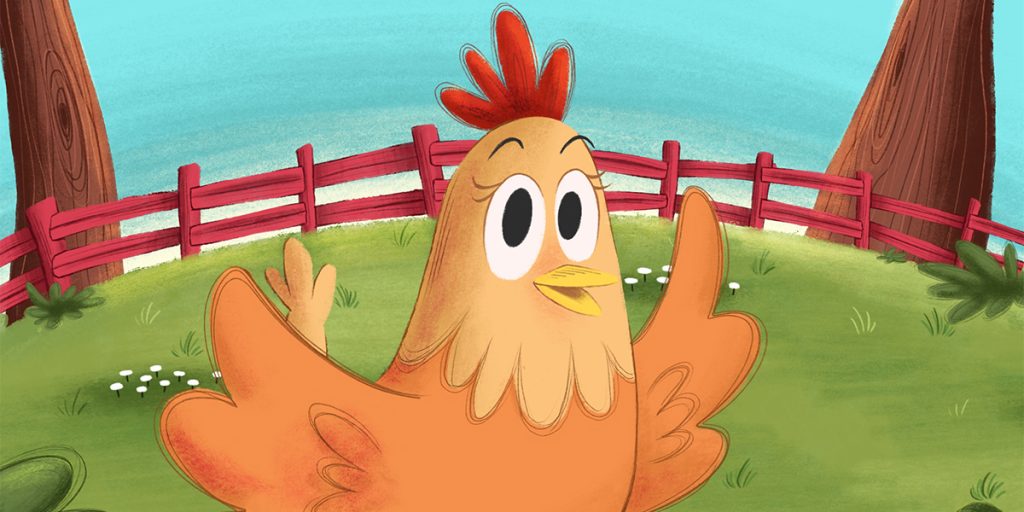
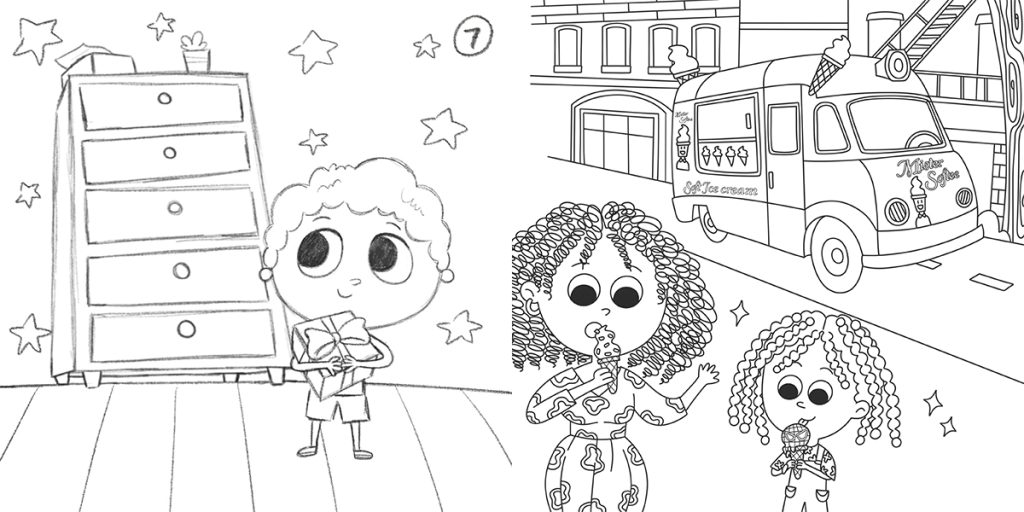
Color is one of the most powerful storytelling tools in children’s books. Before young readers can fully understand words, they connect with stories visually and the colors you choose play a major role in shaping that experience.
A carefully selected children’s book color palette sets the emotional tone of your story, brings characters to life, and guides the reader’s eye across every page. Whether your book feels joyful and energetic or calm and magical often depends more on color choices than on illustrations alone.
Many authors and beginner illustrators assume that using lots of bright colors will automatically make a children’s book more exciting. In reality, professional results come from using fewer colors more intentionally.
A limited, well-balanced palette creates harmony, prevents visual overload, and helps children focus on important details. Colors can express mood, highlight action, support learning, and enhance visual memory, all while keeping pages clean and appealing.
Choosing the right colors also means understanding your audience. Younger children respond best to bold, high-contrast shades that are easy to recognize, while older readers enjoy softer tones and more natural hues that add visual depth.
Different genres also demand different palettes—playful stories shine with energetic warm colors, fantasy books glow with purples and jewel tones, and bedtime stories calm young minds with soft blues and gentle pastels.
In this guide, you will learn how to choose the perfect children’s book color palette for your story, explore color psychology for kids, discover ready-made palette ideas for various genres and age groups, and gain simple, step-by-step techniques to help you build cohesive, professional-looking illustrations that support your storytelling from cover to final page.
What Is a Children’s Book Color Palette?
A children’s book color palette is a limited collection of colors chosen to be used consistently throughout the illustrations and cover of a book. Instead of using every color available, artists select 4–8 primary shades and a few accent colors that match the book’s tone.
A good palette:
- Creates visual harmony
- Makes characters instantly recognizable
- Supports mood and emotion
- Keeps pages from looking chaotic
Consistency is key—when readers flip pages, they should feel a smooth visual flow rather than a sudden clash of styles or colors.
Read More:How to Illustrate a Children’s Book by Hand
Why Color Choice Matters in Children’s Books
Children respond emotionally to color before they react to text. The right palette:
Enhances Storytelling
Bright warm hues create playful scenes, while cooler tones establish calm or nighttime moods. Color helps “show” the story rather than tell it.
Improves Visual Learning
Young children process color quickly. Clear contrasts:
- Help identify characters
- Separate background from action
- Improve reading comprehension
Builds Emotional Connection
Children associate colors with feelings:
- Yellow = Happiness
- Blue = Calm or sadness
- Red = Excitement or energy
- Green = Nature or kindness
Smart color use strengthens emotional engagement.
Creates Brand Recognition
Iconic children’s books are instantly recognizable partly due to color consistency. Repeating the same palette builds identity and memorability.
Read More:Storyboarding for Reels, Shorts, and Book Previews
Understanding Color Psychology for Kids
Here’s how common colors impact children emotionally:
| Color | Emotional Impact | Best Uses |
| Red | Excitement, action, energy | Adventure scenes, lively characters |
| Yellow | Happiness, friendliness | Sunshine, smiling characters |
| Blue | Calm, peace, sadness | Night scenes, water, gentle moments |
| Green | Growth, safety, nature | Forests, animals, learning scenes |
| Purple | Magic, imagination | Fairy tales, fantasy creatures |
| Pink | Sweetness, softness | Younger characters, gentle themes |
| Orange | Warmth, curiosity | Playful activities |
| Brown | Earthiness, stability | Trees, animals, backgrounds |
| Gray | Neutral or sad | Shadows, weather moods |
Tip: Younger children prefer brighter, higher-contrast colors. Older children enjoy more muted, natural tones.
How Many Colors Should You Use?
Professional children’s books usually rely on:
- 4–6 core colors
- 2–3 secondary shades
- 1 accent color
Why limit color?
Too many colors:
- Create chaos
- Distract children
- Reduce visual flow
Limited palettes:
- Create harmony
- Improve storytelling clarity
- Look more polished
Matching Colors to Story Genre
Different stories benefit from different palettes.
Educational Books
Best colors:
- Blue
- Green
- Yellow
Why: These promote calm focus and clarity.
Animal Stories
Best colors:
- Earth tones (brown, beige, olive)
- Sky blues and forest greens
Why: Natural hues support outdoor storytelling.
Fantasy & Fairy Tales
Best colors:
- Purple
- Teal
- Soft glowing gold accents
Why: These shades suggest enchantment and wonder.
Humorous & Playful Books
Best colors:
- Bold reds
- Sunny yellows
- Bright oranges
Why: High energy colors match comedic pacing.
Bedtime Stories
Best colors:
- Navy blue
- Lavender
- Muted pinks
Why: Calm palettes promote sleep and gentle moods.
Read More:From Idea to Storybook: Plan with Storyboards
Choosing Colors by Age Range
Your audience age should guide color decisions.
Ages 1–3
- Very bold colors
- Simple backgrounds
- High contrast shapes
Examples:
- Red + Blue + Yellow + White
Ages 4–7
- Vibrant but more detailed color sets
- Strong contrast still important
Examples:
- Jade green + sky blue + peach + lavender
Ages 8–12
- More complex, natural palettes
- Softer tones and shading
Examples:
- Dusty blue + forest green + warm brown + cream
Building a Child-Friendly Color Palette (Step-by-Step)
Step 1 — Identify Story Mood
Ask yourself:
- Is my story happy?
- Mysterious?
- Calming?
Mood determines warm vs cool color selections.
Step 2 — Choose Core Colors
Pick:
- One dominant main color
- Two supporting colors
Example:
- Blue + Yellow + Coral
Step 3 — Select Neutrals
Choose background tones:
- White
- Light gray
- Beige
These prevent overwhelming visuals.
Step 4 — Add 1 Accent
Small pops of color highlight:
- Character clothing
- Magical elements
- Important objects
Testing Your Palette Before Finalizing
Before committing:
- Print a test page
- Compare light and shadow contrast
- View on digital screens
- Ask kids or parents for emotional reactions
Feedback ensures effectiveness.
Common Color Palette Mistakes
Avoid these beginner errors:
Over-Saturation
Too many neon shades overwhelm pages.
Low Contrast
Backgrounds blending into characters cause confusion.
Inconsistent Style
Random color switching breaks visual harmony.
Irrelevant Mood
Bright party colors for sad scenes reduce emotional authenticity.
Simple Ready-to-Use Color Palette Ideas
Nature Adventure Palette
- Leaf green
- Sky blue
- Light brown
- Soft yellow
Magic Fantasy Palette
- Lavender
- Teal
- Soft gold
- Midnight blue
Preschool Learning Palette
- Primary red
- Bright yellow
- Royal blue
- White
Bedtime Calm Palette
- Navy
- Dusty pink
- Soft purple
- Moonlight gray
Digital Tools for Choosing Colors
Use these free tools to test and build palettes:
- Coolors.co – instant palette generator
- Adobe Color – advanced harmony tool
- Canva Palette Generator
- Paletton.com
These tools help visualize color combinations without guessing.
How Professional Illustrators Use Color
Professional children’s book illustrators:
- Repeat signature palettes across pages
- Use temperature shifts to show moods
- Control contrast to guide the reader’s eye
- Consistently color key characters
This discipline creates storytelling strength without visual noise.
At creative agencies offering character design services and custom children’s illustration, strict palette planning ensures books appear polished, memorable, and visually cohesive.
Color Roles Within a Page
| Page Area | Best Color Type |
| Backgrounds | Muted or pastel |
| Key Characters | Bold, saturated |
| Title Text | High-contrast solid |
| Shadows | Cool or desaturated |
| Highlights | Warm accent tone |
Each layer of illustration supports storytelling clarity.
Cover vs Interior Palette
Your front cover palette should be bold and eye-catching, while interior pages should use slightly softer tones for readability.
Example:
- Cover: Bright blue + gold + coral
- Interior: Muted blue + pale yellow + light gray
This creates:
Visual excitement on shelves
Comfortable long-term reading experience
Advanced Harmony Principles (Simplified)
Analogous Colors
Using neighboring colors on the wheel:
Example:
- Blue + Blue-green + Green
Best for peaceful flows.
Complementary Colors
High contrast opposites:
Example:
- Purple + Yellow
Best for attention-grabbing highlights.
Final Thoughts
Choosing the right children’s book color palette is much more than an artistic decision—it is a storytelling strategy that directly affects how young readers feel, focus, and connect with your book. Colors shape the emotional journey of your story, guide attention to important moments, and help characters become memorable. When colors work together in harmony, they create a smooth visual flow that makes each page inviting rather than overwhelming.
By using a limited selection of thoughtfully chosen colors instead of trying to use every shade available, you give your illustrations clarity and consistency. Starting with the mood of your story, selecting a few core colors, supporting them with gentle neutrals, and adding a single accent shade for highlights can quickly elevate your artwork from amateur to professional-looking. Testing color contrast for readability and adjusting tones for age-appropriate appeal also ensures that your palette serves both artistic and practical purposes.
Remember that younger audiences often enjoy bright, bold hues and strong contrasts, while older children respond well to softer tones and natural color blends. Matching your palette to your genre—whether playful, educational, fantastical, or calming—further strengthens your storytelling impact.
In the end, the best color choices are intentional ones. When every hue has a purpose, your pages feel balanced, your characters stand out clearly, and your story becomes more immersive. With the insights and techniques shared in this guide, you now have the tools to confidently choose colors that enhance your illustrations and support your narrative. Thoughtful color planning doesn’t just decorate your book—it helps bring your story to life and creates a visual experience that young readers will love to return to again and again.