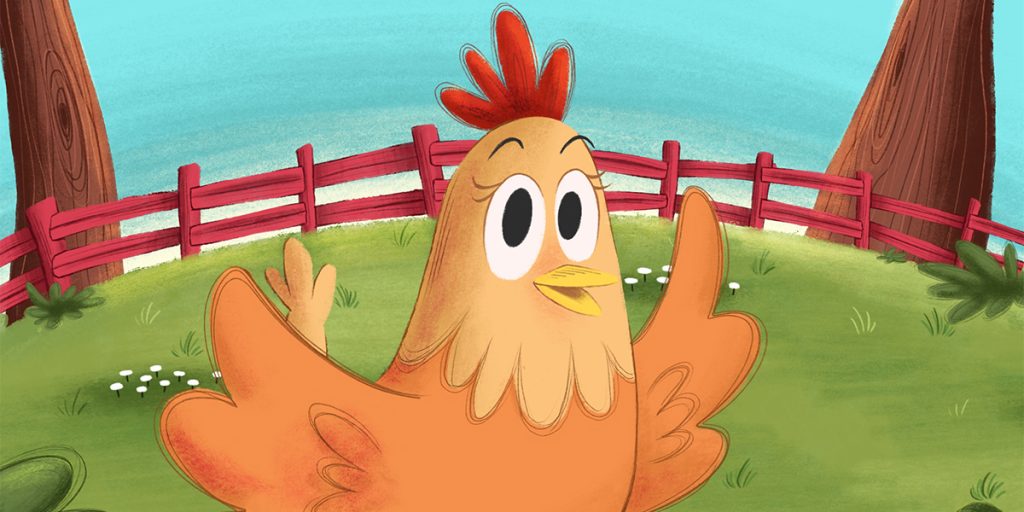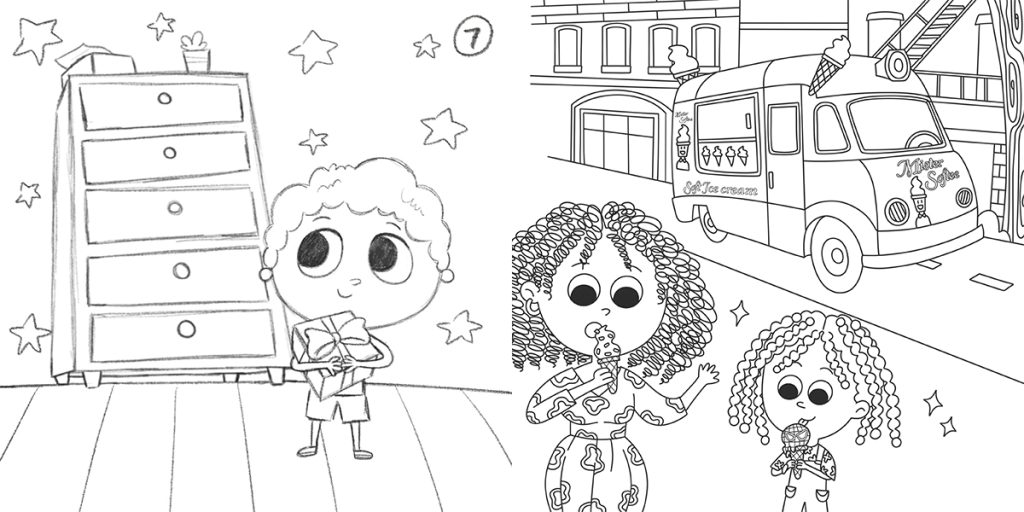

Color is one of the most powerful storytelling tools in children’s book illustration. It shapes mood, guides attention, strengthens memory, and forms an emotional bridge between young readers and the story. Over time, the way color is used in children’s books has evolved alongside changes in technology, parenting styles, educational goals, and visual trends. Today’s illustrators rely on refined, emotionally intelligent palettes that blend visual appeal with storytelling function.
Modern children’s books are no longer defined by loud primaries alone. Contemporary color trends focus on comfort, balance, accessibility, and emotional resonance. From soft pastel backgrounds to earthy natural palettes and minimalist contrast designs, today’s illustration world reflects a deeper understanding of how children respond emotionally to color. These trends aim to support calm engagement while still sparking imagination and curiosity.
Understanding Color Trends in Book Illustration
Color trends in children’s book illustration are shaped by a combination of marketing research, child psychology studies, and evolving reading habits. Publishers closely observe how children visually engage with illustrations across both printed books and digital platforms. They analyze which colors hold attention longer, support emotional connection, and encourage repeated reading. At the same time, feedback from parents and educators plays a major role. Many now prefer palettes that promote calm learning environments and reduce screen fatigue, leading to greater demand for softer, balanced color schemes.
Modern illustration no longer prioritizes loud stimulation or excessive brightness. Instead, the focus has shifted toward emotional storytelling and visual comfort. Carefully selected palettes are used to guide children’s attention naturally, highlighting important moments without overwhelming developing eyes. Colors subtly create atmosphere—pastels build a cozy or peaceful tone, deep blues and purples add mystery, and warm hues introduce playful energy. These emotional cues often work subconsciously, helping children connect with stories without actively noticing the psychological influence of color.
Digital media has further transformed illustration design. Social platforms, animated content, and storybook apps encourage visual consistency across screens and print. Illustrators now adjust saturation levels to avoid glare while maintaining warmth and clarity for tablet and phone displays. Flat styles, soft gradients, and gentle contrasts have become increasingly popular because they translate effectively across devices. Today’s color trends reflect a thoughtful balance between emotional impact, visual comfort, and cross-platform performance—ensuring story illustrations remain engaging, soothing, and visually accessible in both traditional and digital reading spaces.
The Evolution of Color in Children’s Books
Early Era – Bold Primaries
Traditional children’s books depended on strong reds, blues, and yellows. High contrast helped toddlers recognize shapes and characters quickly. Books were visually energetic but limited emotionally nuanced storytelling.
Middle Era – Watercolor Storytelling
As illustration techniques evolved, watercolor and gouache styles introduced softer emotional palettes. Gentle blends supported deeper storytelling with subtle mood changes.
Modern Era – Digital Emotional Design
Today’s digital and hybrid painting styles offer refined color layering. Palettes are selected carefully for emotional pacing, visual comfort, and cross-platform visual consistency.
Also Read:The Psychology of Color in Kids’ Storybooks
Top Color Trends in Children’s Book Illustration Today
1. Soft Pastels & Muted Palettes
Pastels now dominate early childhood and bedtime storytelling books. Gentle shades of mint, peach, sky blue, and lavender create emotional calm. They allow children to focus on narrative flow without overstimulation and are widely used in books emphasizing comfort, emotional safety, or interpersonal relationships.
Benefits:
- Lower visual stress
- Improved bedtime reading engagement
- Enhanced emotional focus
2. Earthy & Nature-Inspired Tones
Greens, browns, sandy neutrals, forest blues, and terracotta shades reflect the growing environmental and outdoor storytelling trend. Nature-focused stories using earthy palettes feel grounding and emotionally steady.
Benefits:
- Creates peaceful environments
- Encourages connection to nature
- Promotes feelings of safety
3. Warm Neutrals
Cream, beige, blush pink, sand, and gentle taupes are being used to build cozy story worlds. These tones reduce visual noise while warming scenes emotionally. Cozy interiors and family-centered stories often rely on warm neutrals.
Benefits:
- Comfortable for extended reading
- Visually soothing without coldness
- Makes character emotions stand out
4. Gradient Glow Accents
Instead of flat saturation, illustrators now use subtle gradients to add depth and fantasy. Sky glows, magical light effects, and soft transitions between hues are common in imaginative storytelling.
Benefits:
- Adds emotional softness
- Enhances wonder without overpowering scenes
- Modernizes illustration aesthetics
5. High-Contrast Minimalism
This trend uses limited palettes combined with sharp contrast between characters and backgrounds. Clean visuals suit early readers and accessibility needs, especially for digital formats.
Benefits:
- Boosts clarity and focus
- Supports visual development
- Maintains emotional simplicity
6. Retro & Vintage Palettes
Burnt orange, mustard yellow, faded teal, dusty blues, and muted reds appear in nostalgia-driven stories. These colors evoke timeless warmth while still fitting modern styles.
Benefits:
- Emotional depth
- Vintage charm
- Emotional storytelling richness
Also Read:How Illustrators Pick Colors for Children’s Stories
Digital Influence on Color Choices
Digital reading has become a major factor in shaping color trends within children’s book illustration. As more young readers experience stories through tablets, smartphones, and e-book platforms, illustrators must now design colors that perform effectively across multiple screen types and lighting conditions. Colors are carefully adjusted to reduce screen glare, prevent image compression issues, and avoid oversaturation that can strain developing eyes. Maintaining visual clarity without harsh brightness has become a top priority.
Flat vector illustration styles combined with gentle gradient effects continue to grow in popularity because they render cleanly on digital devices while preserving softness and emotional warmth. These approaches ensure that illustrations remain visually sharp without appearing overwhelming or visually noisy on screens of different sizes or resolutions.
Color selection is no longer focused solely on print presentation. Traditional print-first palettes are now softened and balanced to support comfortable tablet and mobile viewing. Illustrators test how colors appear across digital formats before finalizing designs, ensuring that emotional tones remain consistent regardless of the medium. This cross-platform mindset allows characters, scenes, and storytelling moods to retain the same visual impact whether viewed on a paper page or a glowing screen.
Ultimately, today’s color trends reflect a commitment to visual consistency and reader comfort. Designers are creating color systems that adapt seamlessly between print and digital platforms, delivering emotionally engaging illustrations that remain gentle on young readers’ eyes while maintaining strong narrative expression.
Age-Based Palette Adaptations
Toddlers (0–3 Years)
Bold color blocks with high contrast help distinguish basic shapes.
Preschoolers (3–5 Years)
Vivid but harmonized palettes maintain excitement while developing emotional learning.
Early Readers (6–8 Years)
Balanced palettes use gentle blends to represent mood transitions and character growth.
Middle Grades (9+ Years)
Deeper tones create emotional depth, reflecting more complex story themes.
Also Read:How Color Impacts a Child’s Reading Experience
Using Color Trends Without Losing Story Identity
Following trends should never override storytelling intent. Illustrators integrate trends selectively to strengthen emotional narrative rather than dominate scenes. Trends guide aesthetic enhancement—not narrative direction.
Best practice is combining:
- Timeless emotional colors with
- Modern tonal treatments
This keeps stories visually relevant while staying emotionally authentic.
Popular Illustration Styles Today
- Flat Vector Design: Fast-digest visuals dominated by minimal colors and bold outlines.
- Digital Watercolor Hybrids: Traditional textures simulated digitally with modern control.
- Soft 3D Realism: Realistic depth softened for child-friendly expression.
- Minimal Line Art with Accent Colors: Minimalist storytelling using color as emotional punctuation.
Color Accessibility & Visual Comfort
Accessibility remains central to modern color design.
Best practices include:
- High readability contrast
- Reduced color clutter
- Color-blind friendly palettes
- Font-background harmony
Balanced layouts protect young eyes while allowing immersive visual storytelling.
Practical Tips for Authors & Illustrators
- Keep emotional intent at the core of palette selection.
- Test illustrations across screen devices.
- Avoid relying solely on trendy color schemes.
- Maintain visual consistency for characters.
- Use gradients to simulate emotional depth gently.
- Always prioritize story clarity over decoration.
Common Mistakes in Following Color Trends
Trend Overuse
Overloading scenes with popular tones can wash out emotional contrast.
Ignoring Story Tone
Some illustrations lean too heavily on trends rather than narrative emotion.
Visual Fatigue
Excessive saturation strains developing eyes and reduces engagement.
Neglecting Reader Age
Design choices that ignore developmental stages lead to reduced readability.
Case Examples from Bestselling Children’s Books
Calming Bedtime Stories
Modern bedtime bestsellers rely heavily on pastel palettes to create emotional safety.
Fantasy Adventures
Fantasy bestsellers use gradient glows and jewel tones to enhance magical immersion.
Educational Books
High-contrast minimal palettes aid learning clarity and visual focus.
Conclusion
Color trends in children’s book illustration today reflect a growing awareness of emotional storytelling and visual comfort. The shift toward soft pastels, earthy tones, warm neutrals, gentle gradients, and simple contrast shows that illustrators are focusing more on mood, clarity, and reader comfort rather than loud visuals. These palettes help stories feel calm and inviting while still supporting imagination and creativity. When used alongside strong storytelling fundamentals, modern color choices keep young readers engaged without overwhelming them, helping them connect more deeply with characters and themes.
These design principles extend beyond individual illustrations and are central to how stories are crafted as a whole. At The Rainbow Stories, color, layout, and character design are thoughtfully combined to support emotional connection and narrative flow. Just as color guides attention and feeling in a picture book, careful visual choices help stories feel warm, memorable, and meaningful for young readers. Whether through illustration or storytelling structure, intentional design strengthens how stories are experienced and remembered.
Frequently Ask Questions
Are pastels replacing bright colors completely?
No. Pastels dominate calm storytelling genres, while bright colors remain essential for early learning books.
Do color trends change frequently?
Core trends evolve slowly every 3–5 years but micro-trends shift annually.
What colors work best for digital books?
Muted tones with controlled contrast render best across screens.
Should illustrators follow trends?
Trends provide inspiration, but emotional storytelling should always lead color decisions.