
Color is the heartbeat of children’s book illustration. It sets emotional tone, guides attention, and transforms storytelling scenes into immersive visual experiences. Whether used to create a sense of comfort, excitement, or mystery, color choices shape how young readers connect with stories long before they can fully read the text. Today, illustrators work across two major coloring approaches: traditional hand-painted techniques and digital software-based methods. Each offers unique strengths, aesthetics, and storytelling effects.
Understanding the differences between digital and traditional color techniques helps creators select the right artistic direction for their stories. It also empowers authors and publishers to craft visuals best suited for emotional engagement, developmentally appropriate design, and cross-platform distribution.
What Are Traditional Color Techniques?
Traditional coloring techniques refer to physically painting or coloring artwork using tangible materials. Popular tools include watercolor, gouache, acrylic paints, colored pencils, markers, and inks applied directly to paper or canvas. Artists layer pigments using brushes and tools that create organic blending and tactile textures impossible to fully replicate digitally.
Traditional illustrations feel handcrafted and intimate. Soft brush strokes, uneven washes, grainy textures, and subtle color bleeding bring warmth and authenticity to story visuals. This organic quality is particularly effective for gentle narratives such as bedtime stories, emotional journeys, nature tales, and picture books that emphasize emotional comfort over action.
The physical interaction between artist and medium results in visual imperfections—including speckled pigment pools or brush edges—that enhance authenticity rather than distract from storytelling. These subtle flaws create emotional vulnerability that resonates deeply with young readers.
However, traditional methods are time-intensive and require rework from scratch if changes are needed. Materials add cost, and maintaining precise color consistency across multiple pages can be challenging without extensive testing.
Also Read:Illustrating for Toddlers vs. Older Kids: How Color Needs Change
What Are Digital Color Techniques?
Digital color techniques involve applying and finishing illustrations using graphic tablets and professional software such as Procreate, Adobe Photoshop, Clip Studio Paint, and Adobe Illustrator. Instead of physical paints or paper, artists work with digital layers that allow unlimited experimentation without altering the original line art. This layered workflow enables precise control over textures, gradients, lighting effects, highlights, shadows, and color balance, all while preserving full flexibility for revisions.
One of the greatest advantages of digital coloring is creative freedom paired with efficiency. Artists can test multiple color variations instantly, adjust tones in real time, and refine details without starting over. Mistakes can be corrected with a single click, and color palettes can be saved and reused to maintain consistent visual identity across hundreds of pages or entire book series. Atmospheric lighting effects and smooth blending further enhance emotional storytelling with a level of precision that is difficult to achieve through traditional means.
Digital techniques also support fast production timelines. Publisher-requested revisions become quick refinements instead of full repaints, saving time and cost. Standardized color grading ensures that pages remain visually cohesive and predictable from beginning to end.
Perhaps the most powerful benefit of digital coloring is scalability. Artwork can be resized without quality loss, optimized easily for print or digital formats, and distributed globally with minimal effort. While digital illustrations can sometimes feel smoother than traditional media, modern tools now include realistic brush simulations and imported textures, allowing artists to maintain organic warmth while enjoying the full efficiency of digital creation methods.
Also Read:The Psychology of Color in Kids’ Storybooks
Key Differences: Digital vs. Traditional Coloring
Texture & Visual Feel
Traditional coloring offers true brush textures and organic blending. Digital styles tend toward smoother finishes, though textured brushes can imitate analog effects.
Speed & Workflow
Traditional workflows are slower, requiring physical layering and drying time. Digital artists can complete pages faster with quick edits and instant corrections.
Consistency & Corrections
Traditional revisions often require repaints. Digital artists can undo errors instantly and maintain color uniformity across pages or series.
Cost & Materials
Traditional techniques require ongoing investment in art supplies. Digital methods require upfront software and device purchases but incur lower long-term material costs.
Scalability
Digital works scale easily for mass printing and digital distribution. Traditional originals must be professionally scanned and color-corrected for publishing.
Emotional Impact on Storytelling
Both traditional and digital color techniques play powerful roles in shaping how children emotionally connect with illustrated stories, yet each method influences storytelling in distinct ways. Traditional artwork tends to evoke warmth, softness, and emotional vulnerability. Watercolor washes, hand-blended textures, and imperfect brush strokes create gentle visuals that feel comforting and reassuring to young readers.
This approach naturally supports intimate storytelling themes such as family relationships, bedtime routines, personal discovery, and quiet moments of reflection. The organic quality of traditional art fosters emotional safety, encouraging children to relax into the narrative and form deeper bonds with characters.
In contrast, digital color techniques emphasize visual clarity, energy, and emotional precision. Clean color blocking and strong contrast guide attention instantly to key story elements, increasing engagement and narrative momentum.
Digital tools also enable sophisticated lighting control, allowing illustrators to shift emotional tone symbolically—cool blue shades heighten tension or mystery, while warm golden glows represent hope, joy, or emotional resolution. These cinematic lighting effects support dramatic pacing and immersive scene transitions that resonate strongly with older children who enjoy dynamic adventure and fantasy storytelling.
Emotionally, children often experience traditional illustrations as soothing and familiar, making them ideal for calming stories or emotionally sensitive content. Digital illustration, on the other hand, injects excitement and visual rhythm into fast-paced narratives filled with action, fantasy elements, or heightened emotion. When chosen thoughtfully, both methods strengthen emotional storytelling, aligning artistic technique with narrative mood to deepen reader engagement and bring characters’ emotional journeys vividly to life.
Also Read:Color Trends in Children’s Book Illustration Today
Suitability by Age Group
Toddlers (0–3 Years)
Traditional methods excel for toddlers due to their soft textures and gentle visual flow. Watercolors paired with bold outlines encourage emotional security and object recognition.
Preschoolers (4–6 Years)
Digital styles become preferred as children enjoy brighter scenes and faster storytelling energy. Clean shapes and bold contrasts enhance visual scanning skills.
Early Readers (7–9 Years)
Digital gradients and stylized shading enhance mature storytelling with more emotional layering while keeping imagery accessible.
Middle Grade Readers (9+ Years)
Hybrid digital-traditional techniques are most popular—textured digital brushes combined with precise lighting allow sophisticated storytelling depth.
Hybrid Coloring Techniques
Hybrid workflows combine hand-painted textures with digital finishing. Artists scan watercolor or ink textures and integrate them digitally with clean outlines and lighting adjustments.
Hybrid techniques allow creators to preserve handcrafted warmth while benefiting from digital control. This approach has become increasingly popular in children’s books, animated story apps, and educational publications due to its emotional authenticity paired with production efficiency.
Hybrid palettes deliver:
- Controlled emotional tone
- Natural textures
- Consistent lighting
- Efficient revisions
Accessibility & Color Comfort
Digital and traditional illustrations must both consider visual comfort for developing eyes.
Digital considerations:
- Reduced brightness to prevent glare
- Muted saturation to minimize eye strain
- Balanced contrast for readability
Traditional considerations:
- Maintaining crisp scans during print reproduction
- Avoiding color wash muddiness
- Ensuring sufficient contrast post-digitization
Publishers now test illustrations on screens and printed proofs to ensure that emotional tone remains consistent across formats without compromising accessibility.
Digital vs. Traditional for Publishing
Digital illustrations simplify printing pipelines since file formats integrate easily into publishing workflows at scale. Traditional artwork requires careful scanning, white balance corrections, and digital cleanup prior to publication.
Digital work offers:
- Print-ready files
- Easy resizing for banners or spinoff materials
- Global distribution compatibility
Traditional originals bring collectibility and artistic integrity but require additional reproduction management.
Practical Tips for Choosing the Right Technique
- Match color technique with story theme—soft stories favor traditional, dynamic tales favor digital.
- Identify the target age group before selecting styles.
- Test palettes both on paper and digital screens.
- Use hybrid workflows if warmth and scalability are both priorities.
- Focus on emotional storytelling aesthetics rather than pure production speed.
Common Mistakes to Avoid
- Over-smoothing traditional textures digitally
- Using heavy digital gradients that overpower scenes
- Ignoring emotional atmosphere in color selection
- Selecting a medium solely based on trends
Each technique must serve the story not dominate it.
Case Comparisons
Watercolor Bedtime Scene:
Soft brush textures, pastel skies, and gentle character outlines create emotional warmth ideal for calm storytelling.
Digitally Colored Adventure Scene:
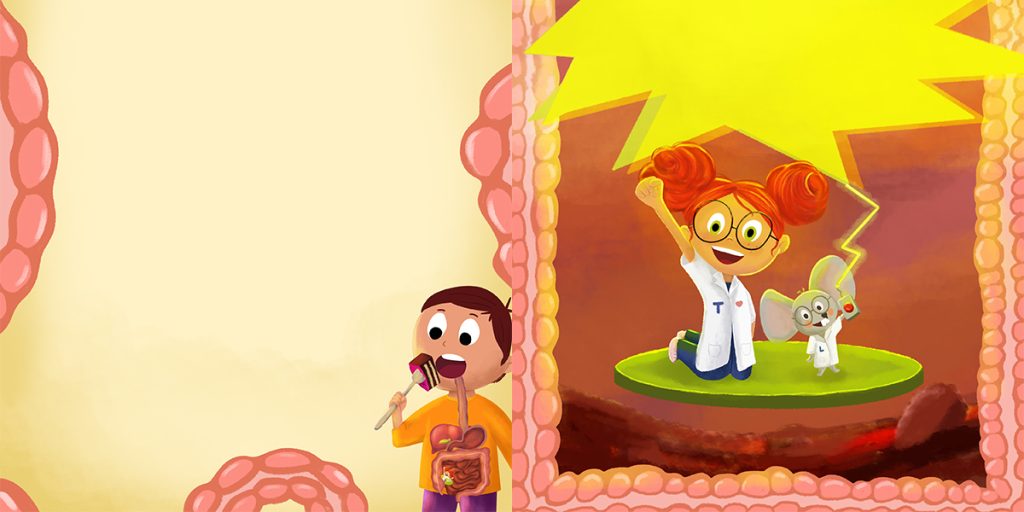
High-saturation skies with dynamic lighting spotlight character action and enhance excitement.
Both approaches shine — when paired with the right storytelling goals.
Conclusion
Digital and traditional coloring techniques both play an important role in children’s storytelling. Traditional methods bring warmth, texture, and a handcrafted feel that adds emotional depth to illustrations. Digital techniques, on the other hand, offer precision, flexibility, and efficiency, making it easier to adapt artwork for different formats and audiences. Many modern illustrators now use a hybrid approach, blending the emotional richness of traditional coloring with the control and consistency of digital tools to create visually engaging stories.
Just as coloring techniques influence the impact of a story, strong visual storytelling relies on clarity, balance, and emotional connection. The Rainbow Stories applies these same design principles to children’s narratives, focusing on visual harmony and thoughtful composition to bring stories to life. Whether illustrating a children’s book or shaping a visual narrative, the core idea remains unchanged: intentional design turns simple ideas into meaningful emotional experiences—and it is this emotional connection that makes storytelling truly unforgettable.
Frequently Ask Questions
Is digital cheaper than traditional illustration?
Long-term yes since traditional techniques require recurring material investment.
Do children prefer one style over the other?
Preferences change with age. Toddlers prefer warmth; older kids favor clarity and energy.
Can beginners mix both styles?
Yes hybrid workflows are an excellent learning method.
Which technique is more marketable?
Digital offers scalability, but high-quality traditional art has premium publishing appeal.