
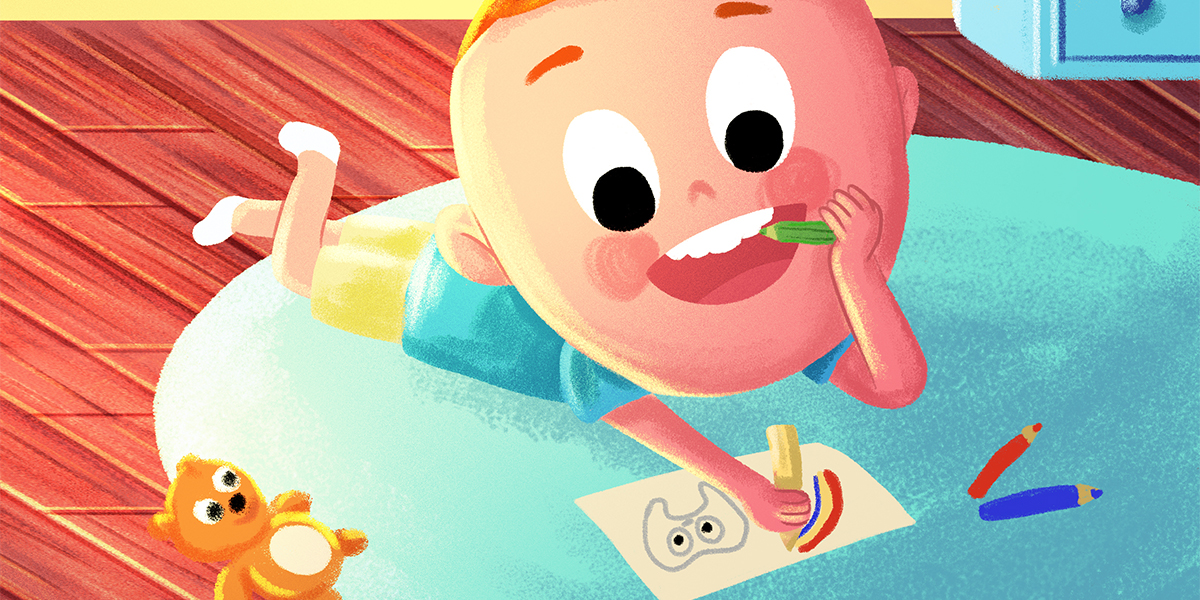
Children’s book illustration is more than drawing pretty pictures—it is storytelling in visual form. Illustrations guide young readers through emotions, actions, settings, and characters long before they are able to read independently. A well-illustrated children’s book can spark imagination, shape emotional understanding, and make stories unforgettable.
Mastering children’s book illustration requires skill, consistency, and intentional practice. From understanding composition principles to developing strong sketchbook habits, illustrators must balance creativity with clarity. This guide explores the essential lessons every children’s book illustrator should embrace to create engaging, meaningful, and visually compelling work.
Understanding the Role of Illustration in Children’s Books
Illustrations play a central role in children’s books, serving as the storytelling foundation for young readers. Since many children cannot fully grasp written text, visuals help them understand the narrative, emotions, and actions taking place in the story. A single illustration can express mood, illustrate a character’s feelings, or show the setting far more clearly than words alone. These images guide children through the plot, spark their imagination, and make the reading experience engaging and memorable. In essence, illustrations transform stories into accessible, meaningful journeys that children can connect with, enjoy, and interpret with ease.
Also Read:Digital vs. Traditional Color Techniques in Kids’ Illustration
Visual storytelling for young readers
Children rely heavily on visuals. Illustrations break down complex ideas into simple, relatable scenes. A single picture can explain place, emotion, and action simultaneously—something young readers especially depend on.
Helping children understand emotions and actions
Facial expressions, gestures, and posture help kids decode emotions like happiness, fear, or frustration. Illustrators intentionally exaggerate expressions to create clarity and empathy for young audiences.
Enhancing imagination and engagement
A captivating illustration can transport children into magical worlds, introduce new dreams, and nurture creativity. The right visuals keep children interested, turning reading into a joyful experience.
Mastering Composition in Children’s Book Illustration
Composition is a key element in children’s book illustration because it determines how a viewer’s eye travels across the page. In stories for young readers, visuals must feel lively and engaging without becoming confusing or overcrowded. Effective composition guides children naturally from one focal point to the next, helping them follow the narrative smoothly.
By balancing elements such as placement, spacing, perspective, and visual emphasis, illustrators create pages that are clear, appealing, and easy for children to understand. A well-crafted composition not only supports storytelling but also keeps young readers visually interested and emotionally connected to each scene.
The Rule of Thirds and Visual Balance
The rule of thirds is one of the most effective tools for creating visually appealing illustrations in children’s books. By dividing the page into nine equal sections, illustrators can identify natural focal points where key characters or important elements should be placed. Positioning visuals along these intersections creates harmony and structure, allowing young readers to understand the scene more easily. Balanced compositions are essential in children’s books because overly crowded or poorly arranged illustrations can overwhelm or confuse early readers.
When the artwork flows naturally, a child’s eye is guided smoothly from one part of the page to another, making the storytelling clearer and more engaging. Using the rule of thirds ensures that every page feels organized, intentional, and visually inviting, helping children connect with the narrative without distraction.
Also Read:Are Adult Coloring Books the Same as Children’s Coloring Books?
Using Perspective to Create Depth
Perspective adds dimension and visual interest.
- Simple perspectives help very young children stay focused.
- Slightly dynamic angles can energize scenes for older readers without causing confusion.
Master illustrators use perspective to subtly guide emotional tone—gentle scenes with flat angles, action scenes with dramatic viewpoints.
Page Flow and Pacing
Every page turn should feel natural. Good composition supports pacing by:
- Leading the reader’s eye from one page to the next
- Using visual cues to indicate movement
- Maintaining consistent character placement
A well-composed spread makes the story intuitive for children.
Color Composition and Mood
Color directly influences emotion.
- Warm colors convey comfort, excitement, or joy.
- Cool colors communicate calmness or sadness.
Illustrators use color intentionally, selecting palettes that support the story’s tone and character personality.
Crafting Memorable Characters
Characters are the soul of children’s books. A memorable character becomes a lifelong childhood friend.
Simplicity vs. Detail
Children’s book characters should be expressive and recognizable. Too much detail distracts young readers; too little makes them forgettable. Finding the right balance ensures clarity and personality.
Designing Expressive Faces and Body Language
Children interpret stories through emotion. Exaggerated expressions, playful gestures, and readable body language help them understand what the character feels and why.
Consistency Across Multiple Pages
Character consistency is essential. The character must look the same—same proportions, colors, and features—across every pose and scene. Style sheets or character turnarounds help maintain this continuity.
Building a Unique Visual Identity
A strong character design includes:
- A distinct silhouette
- Recognizable shape language
- Memorable accessories or clothing
- A color palette that matches personality
These traits make the character instantly identifiable.
Developing Effective Sketchbook Habits
A professional children’s book illustrator’s sketchbook is a creative laboratory. It is where ideas grow, characters evolve, and compositions are tested.
Daily Practice Routines
Daily sketching—whether five minutes or an hour—helps sharpen skills, improve muscle memory, and boost creativity. Consistency matters more than perfection.
Observational Sketching: Drawing from Real Life
Real-life observation enhances believability. Watching how kids run, how animals move, or how objects look from different angles helps illustrations feel authentic and lively.
Thumbnailing Ideas Before Final Compositions
Thumbnails are tiny, quick composition sketches. They allow illustrators to explore multiple layouts before committing. This prevents wasted time and leads to stronger storytelling through visuals.
Experimenting with Shapes, Poses, and Expressions
Children’s books thrive on energy. Sketchbooks are the perfect place to exaggerate shapes, stretch poses, explore comedic angles, and build a character’s emotional range.
Using Your Sketchbook for World-Building
Sketchbooks hold:
- Location studies
- Prop design
- Clothing variations
- Background concepts
By exploring the world of the story in sketches, illustrators create richer, more believable environments.
Lessons in Storytelling Through Illustration
Illustration and storytelling must work hand in hand. Successful children’s book illustrators tell half the story visually.
Matching Illustrations With Text Flow
Illustrations should not repeat what the text says; they should enhance it. For example, if the text says, “Tom walked into the forest,” the illustration might show the mood, weather, or forest depth that words cannot describe.
Visual Metaphors and Symbolism
Visual metaphors help children understand big concepts. A small character overshadowed by a large object might symbolize fear or challenge without needing explanation.
Creating Scenes that Enhance Emotion and Narrative
Illustrators use lighting, color, composition, and character placement to reinforce emotion—joy, sadness, tension, or triumph.
Designing Backgrounds That Support the Story
Backgrounds should complement, not overpower. They give context but must not distract children from the characters or the narrative’s main action.
Choosing the Right Medium and Tools
Illustration tools shape style and workflow. A good illustrator chooses tools that support their strengths and artistic goals.
Digital vs. Traditional Illustration
Digital tools like Procreate and Photoshop offer flexibility, undo options, and endless brushes.
Traditional tools like watercolor, gouache, and colored pencil offer organic textures and depth.
Many illustrators combine both worlds—traditional textures with digital refinement.
Popular Tools for Children’s Book Illustration
- Procreate for intuitive sketching and painting
- Adobe Photoshop for professional-level coloring and editing
- Watercolor and gouache for soft, storybook charm
- Ink and pencil for expressive line work
Each medium sets a different tone for the book.
Maintaining a Consistent Art Style
Consistency builds trust with young readers. Whether digital or traditional, the artist must keep color, line thickness, and texture uniform across all pages.
Common Mistakes to Avoid in Children’s Book Illustration
Even skilled illustrators can fall into common traps.
Overcomplicating Illustrations
Too much detail overwhelms young readers. Simplicity communicates more clearly.
Inconsistent Character Proportions
If a character suddenly changes size or shape, it breaks the story’s visual continuity.
Lack of Depth or Weak Composition
Flat illustrations with unbalanced composition can make scenes feel lifeless.
Colors That Confuse Instead of Clarify
Children rely on color for meaning. Poor palette choices can confuse emotions or distract from the story.
How to Build a Strong Illustration Portfolio
Your portfolio is more important than your résumé in the world of children’s publishing.
Showcasing Characters, Compositions, and Full Scenes
Publishers want to see how you handle expressions, interactions, and storytelling—not just stand-alone drawings.
Displaying Before-and-After Sketch to Final Art
This demonstrates process, creativity, and problem-solving skills.
Creating a Signature Style
A recognizable style makes your work memorable and helps you stand out in a competitive field.
Tailoring Your Portfolio to Children’s Publishing Standards
Include:
- Character sheets
- Scene illustrations
- Spot illustrations
- Book cover concepts
- Page spreads
A curated portfolio shows professionalism and readiness for real projects.
Conclusion
Mastering children’s book illustration goes far beyond drawing appealing images. It requires a strong understanding of composition, the ability to create expressive and relatable characters, a consistent sketching practice, and well-developed storytelling instincts. When these skills come together, illustrators can craft visuals that spark curiosity, encourage imagination, and support the emotional growth of young readers. Every line, color, and character expression plays a role in guiding children through a story and helping them connect with its message.
Just as the right creative tools and guidance help illustrators grow in their craft, thoughtful storytelling platforms play an important role in shaping meaningful narratives. The Rainbow Stories embraces these principles by focusing on creativity, emotional connection, and purposeful design to bring children’s stories to life. Whether illustrating a picture book or building a visual narrative, the right tools and approach can transform ideas into memorable experiences that inspire confidence, creativity, and lifelong love for storytelling.