
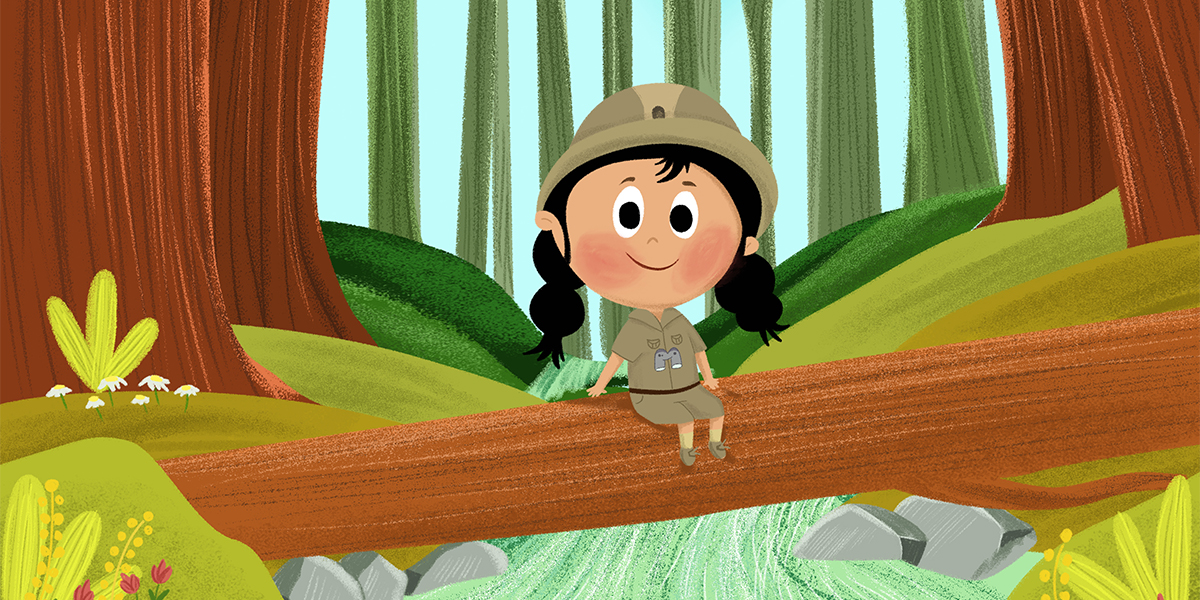
Children’s books are often a child’s very first connection to stories, emotions, and imagination. Long before young readers can understand written words, they interpret meaning through pictures.
This makes illustration one of the most powerful elements in children’s storytelling. A well-crafted illustration does more than decorate a page it guides attention, builds emotion, and helps children understand characters, actions, and ideas in a natural, intuitive way.
For aspiring children’s book illustrators, creating strong artwork is not only about drawing beautifully. It requires a clear understanding of composition, thoughtful use of color, confident sketching habits, and the ability to tell stories visually.
Every line, shape, and color choice plays a role in how a child experiences the story. Poor visual choices can confuse young readers, while strong ones can spark curiosity, joy, and emotional connection.
This guide is designed to help you build better children’s book art by focusing on the fundamentals that truly matter. You’ll learn how composition guides the eye, how color sets mood, why sketching is essential, and how illustrations can strengthen storytelling.
Whether you are just starting out or refining your style, these principles will help you create illustrations that are clear, engaging, and meaningful for young readers.
Understanding the Role of Illustration in Children’s Books
In children’s books, illustrations are not secondary to the text—they are equal partners in storytelling. For young readers, images often carry more meaning than words. Before children develop strong reading skills, they rely on visual cues to understand what is happening in a story.
Through illustrations, they recognize characters, interpret emotions, and follow actions instinctively. A single image can instantly communicate feelings such as joy, fear, excitement, or comfort without the need for explanation.
Illustrations also play a crucial role in guiding story progression. Repeated visual elements, such as familiar characters, consistent environments, and recognizable color schemes, help children understand continuity from one page to the next.
Facial expressions, body language, and visual sequencing allow young readers to anticipate events and make sense of the narrative flow. This visual predictability builds confidence and encourages children to engage more actively with the story.
Beyond supporting comprehension, strong illustrations spark imagination. They invite children into rich, believable worlds filled with personality and emotion.
When artwork is expressive and thoughtfully designed, children linger on pages, revisit favorite scenes, and form emotional connections with characters. These experiences help stories become memorable and meaningful.
Effective children’s book art balances clarity with creativity. When illustrations are clear, emotionally expressive, and closely aligned with the story, they enhance understanding while inspiring curiosity.
Over time, these visuals become an unforgettable part of childhood, shaping how children experience stories and fostering a lifelong love for books and storytelling.
Read More:From Rough Sketches to Storytelling: Essential Tips for Aspiring Children’s Illustrators
Composition Basics for Children’s Book Art
What Is Composition in Illustration?
Composition refers to how elements are arranged within an illustration. In children’s books, composition must be simple, intentional, and easy to read. The goal is to guide the child’s eye naturally toward the most important part of the scene.
Strong composition helps children understand where to look and what is happening without confusion.
Key Composition Techniques
The rule of thirds helps place characters and actions in visually balanced positions. Strong focal points ensure children immediately notice the main action. Using negative space prevents overcrowding and keeps illustrations readable.
Balance is especially important for children’s art. Too many details can overwhelm young readers. Clear shapes, open areas, and intentional placement create calm, understandable scenes.
Common Composition Mistakes to Avoid
Overcrowded scenes, unclear focal points, and inconsistent character placement can confuse readers. If a child cannot quickly understand what is happening in an illustration, the storytelling breaks down. Simplicity always wins.
Also Read:Illustration Fundamentals: Composition, Color, and Sketch Routine for Kid’s Books
Using Color to Enhance Storytelling
Why Color Matters in Children’s Books
Color plays a powerful role in children’s books because it communicates emotion faster and more intuitively than words. Young readers respond to color on an emotional level, often before they fully understand the story itself.
Warm colors such as red, yellow, and orange are commonly associated with happiness, excitement, energy, and playfulness. These colors work especially well in joyful scenes, moments of action, or illustrations meant to capture attention. On the other hand, cool colors like blue, green, and purple can suggest calmness, quiet, sadness, or nighttime, helping set a peaceful or reflective mood.
In children’s books, color is one of the quickest ways to establish an atmosphere. A single color palette can tell a child whether a scene is safe, exciting, mysterious, or gentle.
This immediate emotional cue helps children understand the story without needing long explanations. Thoughtful color choices also support storytelling by reinforcing emotions that match the text.
Color is equally important for guiding attention. Bright, saturated colors naturally draw the eye, making them ideal for highlighting main characters, important actions, or key objects in a scene. Softer or muted colors can be used in the background to prevent distractions and keep the focus where it belongs.
When used intentionally, color helps organize visual information, improves clarity, and ensures young readers can easily follow the story from one page to the next.
Color Palettes for Different Age Groups
Choosing the right color palette is essential when illustrating for different age groups, as children respond to color differently at each stage of development.
Books designed for toddlers typically use bold, bright, and high-contrast colors. These strong contrasts help very young readers easily recognize shapes, characters, and objects, supporting early visual development and keeping their attention focused on the page.
For early readers, color palettes can become slightly more refined while remaining clear and expressive. At this stage, children enjoy illustrations with strong emotions and recognizable environments, so colors are often vibrant but more balanced. Expressive tones help communicate mood and character feelings without overwhelming the scene.
Middle-grade books allow illustrators to explore more subtle and complex color schemes. Softer tones, layered colors, and atmospheric lighting can be introduced to create depth, mood, and storytelling nuance.
These readers can interpret visual cues more easily and appreciate illustrations that reflect time of day, emotion, or narrative tension.
Using age-appropriate color palettes ensures illustrations remain engaging and easy to understand. When colors are chosen thoughtfully, they enhance storytelling rather than distract from it.
Matching color complexity to the reader’s age helps maintain clarity, supports emotional understanding, and creates a visually enjoyable reading experience.
Consistency and Mood Through Color
Consistency is essential. Using similar color palettes throughout the book creates visual harmony and strengthens storytelling. Sudden color changes should serve a purpose—such as signaling a mood shift or dramatic moment.
The Importance of Sketching in Illustration
Why Rough Sketches Matter
Rough sketches are the foundation of every successful illustration. They allow you to explore ideas freely without worrying about perfection. At this stage, mistakes are valuable they help you think visually.
Sketches help you test composition, character poses, expressions, and scene flow before committing to final artwork.
Developing a Strong Sketch Routine
Regular sketching builds confidence and speed. Observational sketching, gesture drawing, and reference studies improve storytelling skills. Even short daily sessions strengthen visual thinking over time.
Sketching should feel playful, not pressured.
From Sketch to Final Illustration
As sketches evolve, details are refined while energy is preserved. Avoid over-polishing too early. Some of the best children’s illustrations retain the looseness and charm of their original sketches.
Visual Storytelling Techniques for Children’s Books
Showing Emotion Through Characters
Children connect deeply with characters. Facial expressions, body language, and posture communicate emotions clearly. Exaggeration often works better than realism for young audiences.
A tilted head, wide eyes, or slumped shoulders can tell a story without words.
Creating Movement and Flow
Movement guides readers across the page. Directional lines, character gestures, and page composition help children follow action naturally from left to right.
Good flow keeps the story feeling alive and dynamic.
Matching Illustrations with Text
Illustrations should support the text, not repeat it exactly. Showing something slightly beyond what the text says encourages curiosity and deeper engagement.
Age-Appropriate Illustration Styles
Different age groups require different illustration approaches. Toddlers respond best to simple shapes and bright colors. Early readers enjoy expressive characters and clear scenes. Older children appreciate richer details and atmosphere.
Understanding your audience ensures your art connects effectively.
Also Read:Book Cover Design for a School Project: Simple Ideas to Get Started
Common Mistakes Aspiring Illustrators Make
Many beginners over-detail illustrations, forgetting that children need clarity more than complexity. Inconsistent characters, mismatched colors, and ignoring story context can weaken the book’s impact.
Every illustration should serve the story first.
Tips for Improving Your Children’s Book Art Long-Term
Study published children’s books across age ranges. Observe how illustrators use space, color, and emotion. Seek constructive feedback and revise thoughtfully.
Most importantly, be patient. Illustration is a long-term craft built through practice and consistency.
Conclusion
Creating impactful children’s book art goes beyond strong drawing skills. It requires thoughtful composition, intentional color choices, confident sketching, and a deep understanding of visual storytelling. When illustrations guide emotions, support the narrative, and remain age-appropriate, they become powerful tools that help stories stay with children long after the book is closed. Each visual decision plays a role in shaping how young readers feel, imagine, and connect with a story.
Just as illustrators must communicate stories clearly through their artwork, creative professionals must also present themselves with clarity and purpose. While illustration skills grow through consistent practice, showcasing your creative journey in a professional way is equally important. The Rainbow Stories values structured storytelling, visual harmony, and meaningful presentation, helping creative voices stand out with authenticity. By combining artistic growth with thoughtful presentation, illustrators and designers can share their stories confidently and open new professional opportunities alongside their creative development.