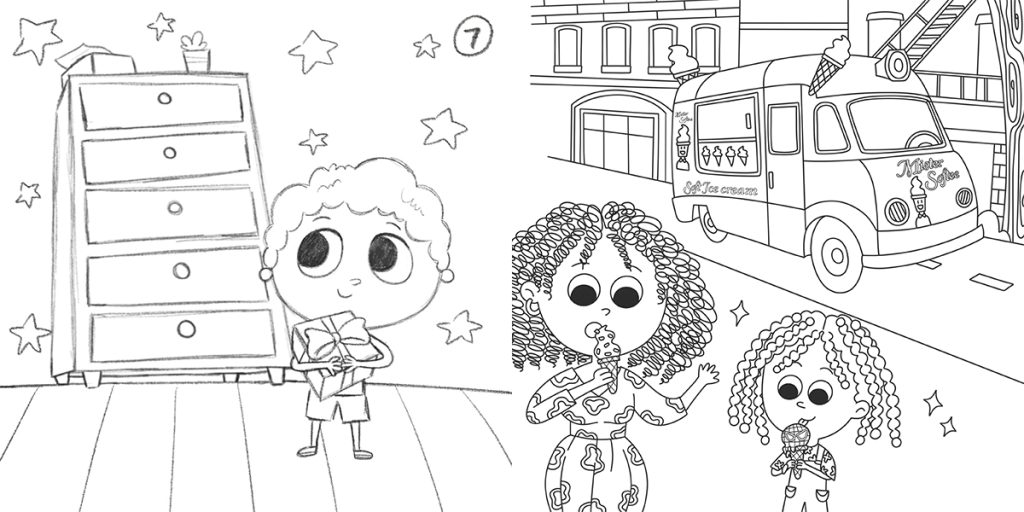

Color is one of the most influential elements in children’s storytelling. Even before a child begins to read, colors shape their emotional response to a story. They instantly capture attention, set the mood, and help children understand characters, feelings, and scenes without relying on words. In a children’s storybook, color is far more than visual decoration it acts as a powerful form of communication that supports the narrative.
Thoughtful color choices can turn a simple illustration into a memorable and meaningful experience. Colors help guide the reader’s eye across the page, highlight important moments, and create visual harmony that keeps young readers engaged. Warm tones can convey joy and energy, while softer or cooler shades may suggest calm, mystery, or reflection. These visual cues help children connect emotionally with the story.
When used intentionally, color strengthens storytelling and brings characters and story worlds to life. It makes illustrations easier to understand and more enjoyable to explore. This guide focuses on how careful color selection can enhance visual appeal, deepen emotional impact, and create storybooks that are engaging, inviting, and easy for young readers to enjoy from beginning to end.
Understanding Color Psychology in Storybooks
Color psychology plays a powerful role in how children experience and interpret stories. Different colors naturally trigger emotional responses, often without children consciously realizing it. Bright, warm colors such as red, yellow, and orange are commonly associated with energy, excitement, happiness, and movement. These colors can make scenes feel lively and engaging, helping to capture attention and create a sense of action or joy. In contrast, cooler tones like blue, green, and purple often evoke feelings of calmness, safety, curiosity, or mystery, making them well suited for quiet, reflective, or nighttime scenes.
In children’s storybooks, color psychology helps set the emotional tone without the need for extra explanation. A cheerful moment may be illustrated with warm, sunny hues, while a thoughtful or emotional scene might use softer, cooler shades. Even small changes in color intensity or temperature can subtly influence how a child feels about what is happening in the story.
By understanding how colors affect mood and emotion, illustrators and authors can guide a child’s emotional journey more intentionally. Instead of relying only on text to communicate feelings, color works alongside words to strengthen storytelling. When used thoughtfully, color becomes a silent storyteller, supporting the narrative in a natural, engaging, and emotionally effective way that resonates with young readers.
Simple Sketching Tips Every Children’s Book Illustrator Should Know
Know Your Target Age Group
Color choices in a children’s storybook should always reflect the age group you are creating for. Children at different developmental stages respond to color in very different ways, and understanding these differences helps make illustrations more engaging and comfortable to view. Younger children are naturally attracted to bright, bold colors with strong contrast. Toddlers and preschoolers respond especially well to simple color schemes that are easy to recognize and visually stimulating. Clear, vibrant colors help them quickly identify characters, objects, and emotions.
Early readers still enjoy colorful illustrations but benefit from slightly more balance and organization. While bright tones remain appealing, too many intense colors used together can feel overwhelming and distracting. A more controlled palette with a mix of vibrant and softer shades helps maintain focus and supports readability at this stage.
For older children, more muted or complex color palettes often feel appropriate. As stories become richer and more emotional, subtle color variations can help express deeper themes and moods. Overly bright colors may feel childish to this age group, so thoughtful restraint is important.
Understanding your audience helps prevent visual overload and ensures the story feels enjoyable rather than tiring. When color choices are aligned with a child’s developmental stage, illustrations feel more inviting, easier to understand, and more emotionally engaging, supporting a smoother and more meaningful reading experience.
Simple Sketching Tips Every Children’s Book Illustrator Should Know
Creating a Consistent Color Palette
Consistency plays a vital role in effective visual storytelling, especially in children’s books. A well-planned color palette helps unify the entire storybook and creates a smooth, cohesive reading experience. When colors feel random or change dramatically from page to page without purpose, young readers can become confused or distracted, which may break their connection with the story.
The best approach is to begin with a limited set of core colors that reflect the overall mood and theme of the book. These main colors should appear regularly throughout the story, helping establish a visual rhythm that children can easily recognize. For example, warm tones may dominate a cheerful story, while cooler shades may support a calmer or more reflective narrative. Accent colors can then be introduced sparingly to draw attention to important moments, key actions, or emotional highlights without overwhelming the page.
A consistent color palette also helps children feel grounded in the story world. Familiar colors create a sense of stability and comfort, making it easier for young readers to follow the narrative. Over time, children begin to associate certain colors with specific characters, places, or emotions, which strengthens understanding and engagement.
Beyond readability, consistency strengthens the book’s visual identity. A unified palette gives the story a polished, professional look and makes it more memorable. When colors work together harmoniously, the story feels complete, intentional, and visually satisfying for young readers.
The Art of Storytelling: Using Illustrations to Bring Stories to Life
Using Color to Show Mood and Emotion
Color is a powerful way to express emotion without words. A single change in color can signal a shift in mood, tension, or atmosphere. Soft pastels might suggest calmness or safety, while darker tones can introduce suspense or uncertainty.
As the story progresses, color palettes can evolve. Bright scenes may gradually become darker to reflect conflict, then return to lighter tones as resolution is reached. This visual progression helps children follow the emotional journey of the story intuitively.
Contrast also plays a key role. High contrast can highlight moments of excitement or danger, while low contrast can create peaceful or reflective scenes. Thoughtful use of color helps emotions feel clear and natural.
How to Create Memorable Characters for Children Storybooks
Making Characters Stand Out With Color
Characters should be instantly recognizable, and color plays a major role in achieving this. Choosing colors that reflect a character’s personality helps children connect emotionally. A cheerful character might wear warm, bright colors, while a shy or thoughtful character may be associated with softer tones.
Consistency is crucial. Characters should maintain the same color scheme throughout the book so children can recognize them quickly on every page. This familiarity builds trust and engagement.
Color also helps separate characters from backgrounds. When characters stand out clearly, children can focus on their actions and emotions without visual confusion.
Build Better Children’s Book Art: Composition, Color, Sketching & Storytelling Tips
Using Color to Guide the Reader’s Eye
Color can guide where readers look first on a page. Brighter or more saturated colors naturally draw attention, making them ideal for highlighting key actions or important characters.
By controlling contrast and brightness, illustrators can lead the reader’s eye smoothly across the page. This visual flow helps children understand the sequence of events without feeling lost.
Strategic color placement also prevents overcrowding. When everything is bright, nothing stands out. Intentional contrast creates clarity and keeps the storytelling focused.
Illustration Fundamentals: Composition, Color, and Sketch Routine for Kid’s Books
Balancing Background and Foreground Colors
A well-balanced background supports the story without overpowering it. Background colors should complement the main elements rather than compete with them. Soft or muted backgrounds often work well, allowing characters and actions to stand out clearly.
Foreground elements should have enough contrast to remain readable and visually strong. This balance helps maintain depth and prevents illustrations from feeling flat or cluttered.
Text readability is also important. Background colors should never interfere with the legibility of words. Clear separation between text and imagery ensures a comfortable reading experience.
From Rough Sketches to Storytelling: Essential Tips for Aspiring Children’s Illustrators
Avoiding Common Color Mistakes in Storybooks
One common mistake is using too many bright or saturated colors at once. While color is exciting, overuse can overwhelm young readers and reduce clarity.
Inconsistent color choices across pages can break immersion. Characters changing colors or scenes lacking harmony may confuse children.
Another mistake is ignoring how colors appear in print versus digital formats. Colors may look different on screens compared to printed pages. Testing helps prevent unpleasant surprises.
Avoiding these mistakes keeps illustrations clear, consistent, and enjoyable.
Mastering Children Book Illustration Lessons from Composition to Sketchbook Habits
Testing Colors Before Finalizing
Testing is an essential step in the color selection process. Printing sample pages and viewing them on different screens helps ensure colors look as intended.
Feedback from children, parents, or educators can provide valuable insights. Observing how children respond to colors—whether they feel calm, excited, or distracted—can guide final adjustments.
Small refinements during testing can significantly improve readability, comfort, and overall appeal.
Are Adult Coloring Books the Same as Children’s Coloring Books?
Conclusion
Choosing the right colors can transform a children’s storybook into a truly memorable experience. Color influences emotion, directs attention, strengthens character identity, and supports the overall flow of storytelling. When used with intention, it helps children connect emotionally with the story, understand moods more easily, and remain engaged from beginning to end. Thoughtful color choices turn illustrations into immersive worlds that young readers remember and love.
These principles of clarity, consistency, and visual storytelling are not limited to children’s books. They apply to every creative narrative where ideas must be communicated effectively. Platforms like Rainbow Stories embrace these values by helping storytellers and illustrators present their work with structure, purpose, and visual harmony. Whether you are crafting a fictional tale for young readers or shaping a real-world creative journey, the right use of color and visuals plays a powerful role in creating lasting impressions and meaningful connections.