
Every story begins with an idea, sometimes simple, sometimes imaginative, sometimes deeply emotional. But turning that raw idea into a fully developed storybook requires more than creativity. It requires structure, planning, and a clear visual direction. This is where storyboards become one of the most valuable tools for authors, illustrators, and creators. A storyboard bridges the gap between imagination and execution by helping you map scenes, organize ideas, and shape your storytelling visually before the final draft ever begins.
When you use a storyboard, you’re not just sketching pictures, you’re building the foundation of your story. You explore how scenes connect, how characters move, and how emotions shift from page to page. You begin to understand whether your pacing works, whether your message is clear, and whether the story feels balanced for your audience. This is especially powerful for children’s storybooks, where visuals and text must work together seamlessly.
Many creators feel overwhelmed when moving from idea to manuscript, but storyboarding simplifies that transition. It breaks the story into manageable steps, making the creative journey smoother and more intentional. You don’t need advanced drawing skills or complex software; even simple sketches or stick figures can bring your story to life in meaningful ways.
In this guide, you’ll learn how to take your idea, develop it visually, and transform it into a complete, polished storybook using the power of storyboards. Whether you’re a beginner or an experienced storyteller, this process will help you create clearer, stronger, and more engaging stories with confidence.
Start With a Strong Idea
Every great story begins with a concept worth exploring. Before you touch a storyboard, take time to define your idea.
Ask yourself:
- Who is the main character?
- What problem or goal drives the story?
- Where does the story take place?
- What message or emotion do I want the reader to feel?
For children’s books, the idea should be simple, clear, and engaging. For fiction or illustrated stories, it can be more layered, but still needs direction.
A clear idea acts as the core foundation of your storyboard.
Also Read : Simple Storyboarding Frameworks for Creators
Understand the Purpose of a Storyboard
A storyboard is not polished artwork. It is a visual outline that helps you:
- Map scenes
- Arrange events
- Track pacing
- Plan illustrations
- Develop emotional moments
- Communicate ideas to editors or illustrators
Think of it as a blueprint. Each frame or panel represents one moment or scene. You don’t need accurate drawings stick figures and simple shapes work perfectly. What matters is clarity, not artistic detail.
Also Read : Storyboarding Mistakes Beginners Should Avoid (Complete Guide)
Break the Story Into Key Moments
Before you start sketching anything, list the major moments of your story. These could be:
- Introduction of the characters
- The first problem
- A challenge or conflict
- A turning point
- The solution
- The ending
For a children’s picture book, this structure may include only 10–14 key moments. For longer stories, you may have 20–40.
This list will guide the number of storyboard panels you create.
Also Read : Why Every Author Should Use Storyboarding Tools
Choose a Storyboarding Framework
You don’t need a complicated method. Simple frameworks work best. Some common options include:
The 3-Act Structure
Act 1: Beginning
Act 2: Middle
Act 3: Ending
The 12-Panel Picture Book Grid
Perfect for children’s storybooks with clear pacing.
Scene-by-Scene Layout
Each panel = one scene.
Post-It Note Layout
Write one moment per sticky note and rearrange until the story flows naturally.
Choose whichever makes your planning easier.
Also Read : Turn Story Ideas Into Visual Adventures with Boards
Start Sketching Your Storyboard
Now it’s time to visualize your story. Begin sketching your scenes lightly — rough outlines, shapes, and arrows are enough.
Here’s how to approach it:
- One panel = one important moment
- Keep drawings simple
- Add notes describing actions or emotions
- Highlight character poses or movements
- Use arrows to show transitions
Each panel should answer:
What is happening, and how does it move the story forward?
Also Read : Easy Storyboarding Tips for Beginners Who Can’t Draw
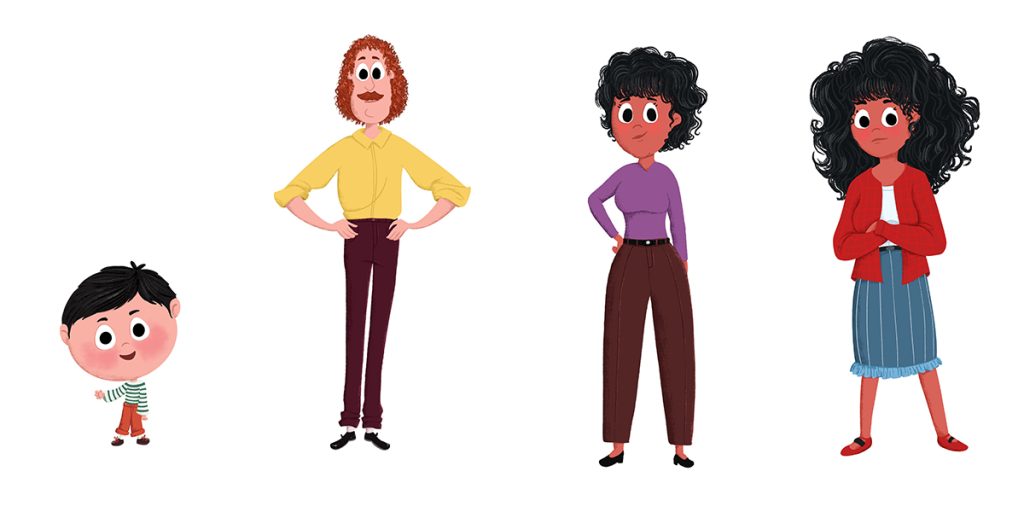
Characters Visually
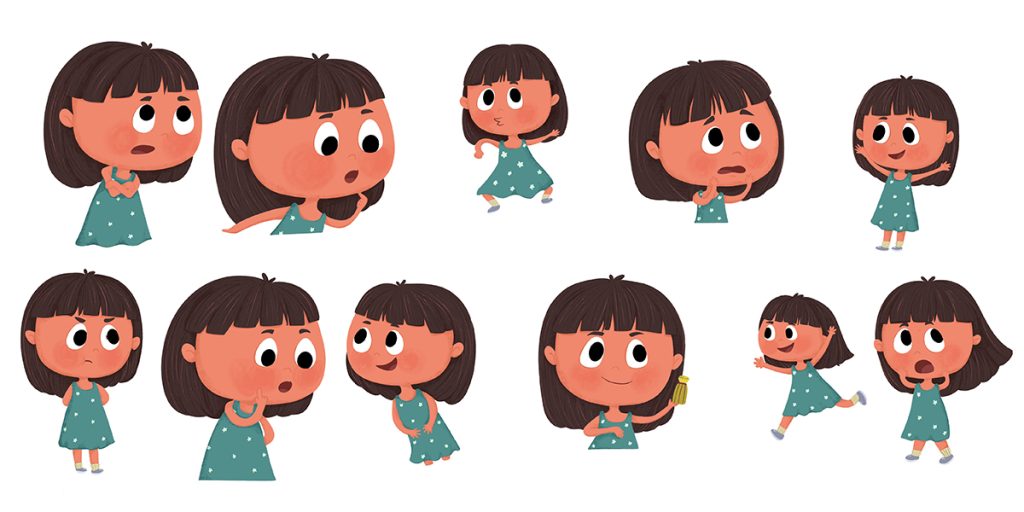
Storyboards help you refine your characters’ visual identity before you finalize illustrations.
Focus on:
- Body shapes
- Facial expressions
- Clothing or accessories
- Character posture
- Emotional responses
Children’s book creators find this extremely useful because consistency matters: a character should look similar throughout the book.
A storyboard lets you test appearances before committing to final artwork.
Also read : Tell a Beautiful Story in 8 Simple Storyboard Frames
Plan Scene Transitions
Transitions are the heart of storytelling. When moving from one panel to the next, ask:
- How does the scene shift?
- Is the change logical?
- Is it too fast or too slow?
- Does it match the emotional rhythm?
Smooth transitions make your story feel complete and professional.
Examples:
- Wide shot → Close-up
- Day → Night
- Problem appears → Character reacts
- Conflict → Discovery
A storyboard helps you visualize these changes clearly.
Also Read : Turn Your Imagination Into Reality with Storyboards
Focus on Emotional Beats
A storybook is not just a sequence of events it is a journey of emotions. Each panel should capture the emotional tone of the moment.
Use your storyboard to plan emotional progression:
- Curiosity
- Excitement
- Fear
- Sadness
- Courage
- Relief
- Joy
Children especially connect with emotion-driven storytelling. Your storyboard should show how characters feel, not only what they do.
Simplify the Visual Narrative
Storyboards are most effective when they keep the visual story clean and easy to understand. Avoid overcrowding panels with unnecessary details.
Instead:
- Keep backgrounds minimal
- Highlight important actions
- Use symbols or notes for extra info
- Show movement simply
Your goal is clarity, not complexity.
Also Read : From Sketch to Story: A Beginner’s Storyboarding Guide
Match Text With Visuals (For Storybooks)
Picture books rely on harmony between words and images. A storyboard allows you to balance text placement and illustration design.
Ask yourself:
- Should the text be above or below the image?
- Does the illustration show what the text is saying?
- Can visuals replace unnecessary words?
- Is the reader’s eye guided smoothly?
Your storyboard ensures that text and visuals complement each other perfectly.
Also Read : Create Storyboards That Bring Story Ideas to Life
Review Pacing and Flow
One of the biggest advantages of storyboarding is the ability to check pacing before creating final drafts.
Look for issues like:
- Too many scenes packed together
- Slow or empty pages
- Confusing transitions
- Scenes that feel too long
Your storyboard lets you fix pacing problems early, saving time during editing.
Share the Storyboard for Feedback
Whether you work alone or with a team, feedback improves your storybook dramatically.
Share the storyboard with:
- Beta readers
- Editors
- Illustrators
- Creative partners
- Teachers or parents (for children’s books)
Ask them:
- Is it clear?
- Does the story make sense?
- Are the emotions strong enough?
- Is the pacing right for the age group?
Refine your storyboard based on suggestions.
Also Read : Why Work with The Rainbow Stories for Character Development?
Make Revisions Before Final Artwork
This is the stage where your storytelling becomes sharper. Study the entire storyboard from beginning to end:
- Remove unnecessary scenes
- Strengthen weak moments
- Add missing transitions
- Improve character expressions
- Clarify confusing actions
A refined storyboard becomes the master guide for your final storybook.
Move From Storyboard to Final Manuscript
Once the storyboard feels solid, begin writing your manuscript. You’ll find the process much easier because:
- Every scene is planned
- Every character action is clear
- The flow is already optimized
- You’re not writing blindly
Your storyboard tells you exactly what to write in each section.
Also Read : Affordable Character Development Packages for Self-Published Authors
Collaborate With Illustrators Using the Storyboard
Illustrators love working with authors who use storyboards because it gives direction and reduces confusion.
You can share:
- Panel sketches
- Notes on emotion
- Page layout ideas
- Character expressions
- Background hints
This ensures that your creative vision stays consistent.
Conclusion
Turning an idea into a finished storybook is a creative journey filled with imagination, decisions, and countless small details. Without a structured plan, even the strongest ideas can lose direction or feel incomplete. This is why storyboards are such an essential part of the storytelling process. They provide clarity at every stage, allowing you to see the story as a sequence of meaningful moments before you begin writing or illustrating the final version.
By planning your story visually, you gain control over pacing, character development, emotional moments, and scene placement. You can test ideas early, identify gaps, and strengthen weak transitions without spending hours revising finished drafts. For children’s storybooks especially, storyboards help align text and visuals, ensuring the story flows naturally and remains engaging for young readers.
Storyboards also make collaboration easier. Whether you’re working with an illustrator, editor, or storyteller, a well-made storyboard communicates your vision clearly and reduces miscommunication. It becomes a shared map that guides everyone toward the same creative goal.
Most importantly, storyboards turn the creative process into something enjoyable rather than overwhelming. They simplify complex decisions, support your imagination, and give you confidence as your story develops. With a strong storyboard, every page of your storybook feels intentional, polished, and meaningful.
From capturing the first spark of inspiration to shaping the final narrative, storyboards act as your guiding tool. They transform ideas into stories that are structured, memorable, and ready to inspire readers of all ages.