When creating a picture book, words and images must work together to tell a seamless story. While writing provides the framework, illustrations carry half the narrative weight—sometimes even more for young readers who rely on visuals to understand emotions, pacing, and tone. Achieving children’s book art consistency is what transforms a scattered collection of illustrations into a cohesive story that feels polished and professional.
This article explores how tools like thumbnails in picture book illustration and color scripts for kids’ books help authors and illustrators maintain strong visual consistency in children’s book art, ensuring every page resonates with clarity and continuity.
Why Consistency Matters in Children’s Book Art
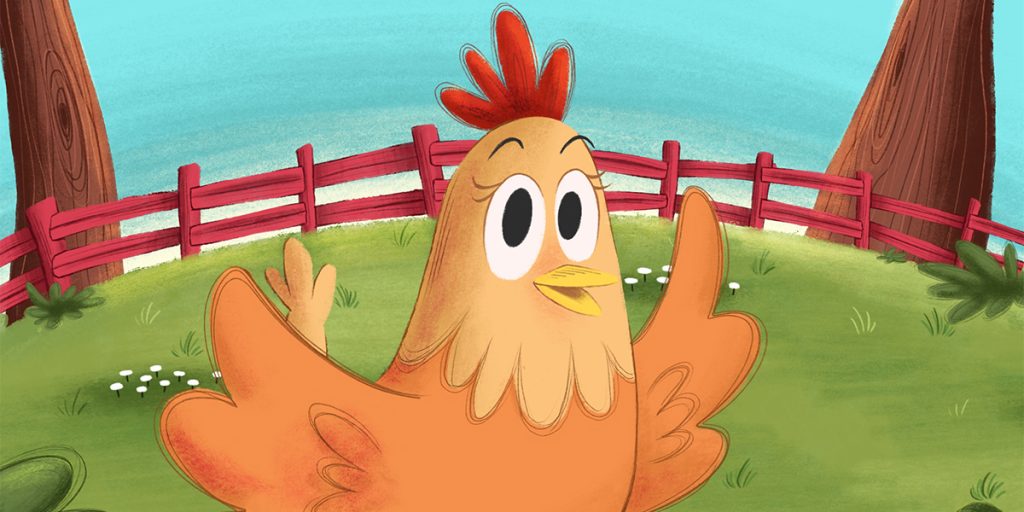
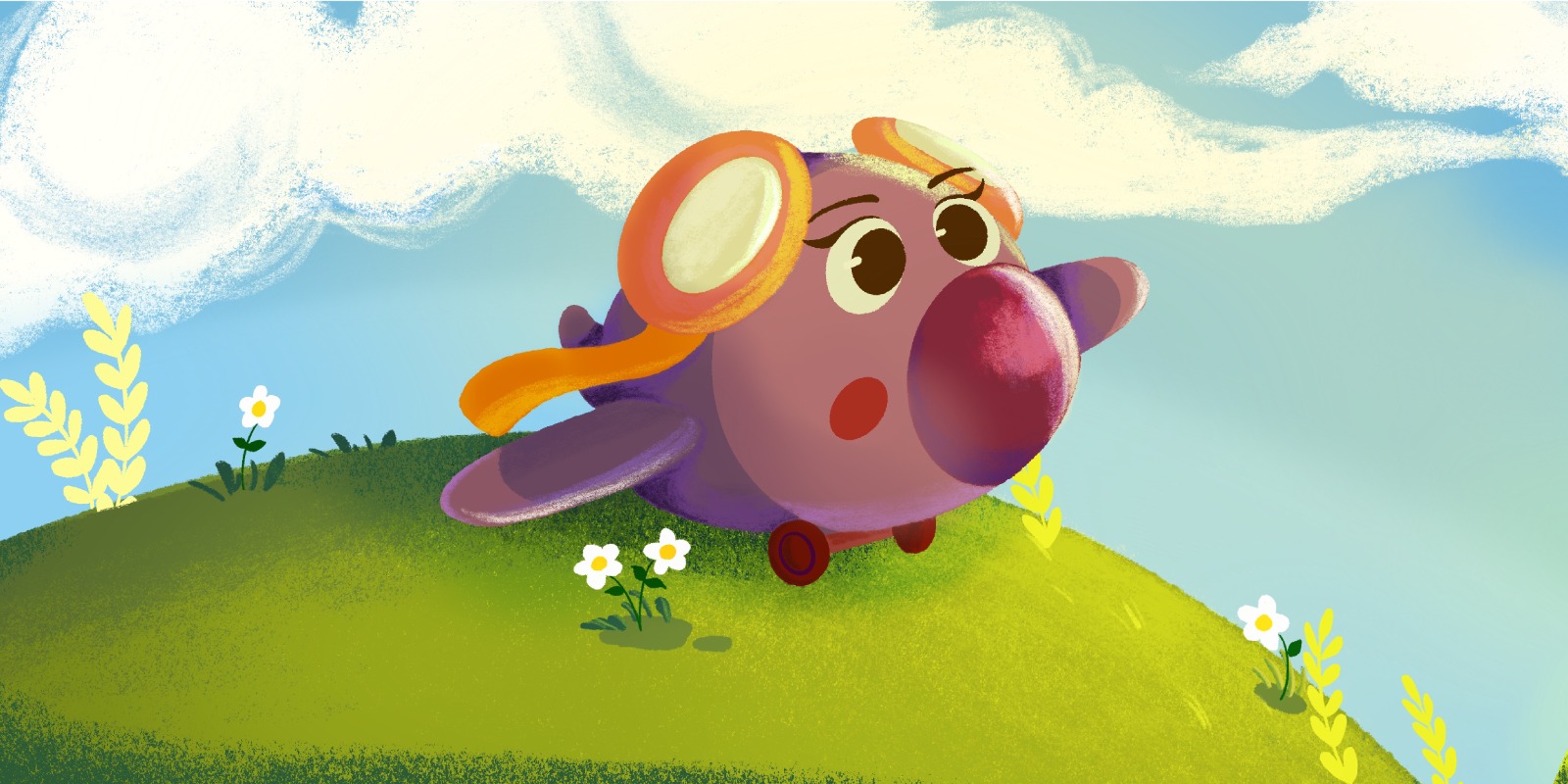
Children thrive on patterns and repetition. A character who changes shape, size, or color unpredictably can confuse readers and break immersion. Consistency in illustration ensures that characters remain recognizable, environments feel familiar, and the story flows smoothly. More importantly, children’s book art consistency builds trust—young readers know what to expect, and this predictability keeps them engaged.
Consistency also benefits parents and educators who often read aloud multiple times. A well-designed book holds up to repeated readings because every element feels deliberate and reliable.
Step 1: Thumbnails – The Blueprint of Visual Storytelling
One of the most effective tools for planning is creating thumbnails in picture book illustration. Thumbnails are small, rough sketches that map out the story page by page. They help authors and illustrators decide:
- Where the text will sit on each page.
- How to balance quiet moments with energetic spreads.
- What action deserves a page turn.
- How characters move through the story.
By laying out the story in thumbnail form, illustrators can test pacing and flow early on. Authors reviewing thumbnails get a first glimpse of visual consistency in children’s book art, spotting potential issues before moving into full illustrations.
Step 2: Color Scripts – Setting the Mood and Tone
If thumbnails are the blueprint, color scripts for kids’ books are the emotional map. A color script is a series of simplified color studies that outline the palette and mood of each spread. For instance:
- Warm tones may dominate scenes of family or comfort.
- Dark, muted colors may signal tension or sadness.
- Bright, vibrant hues may emphasize joyful, high-energy moments.
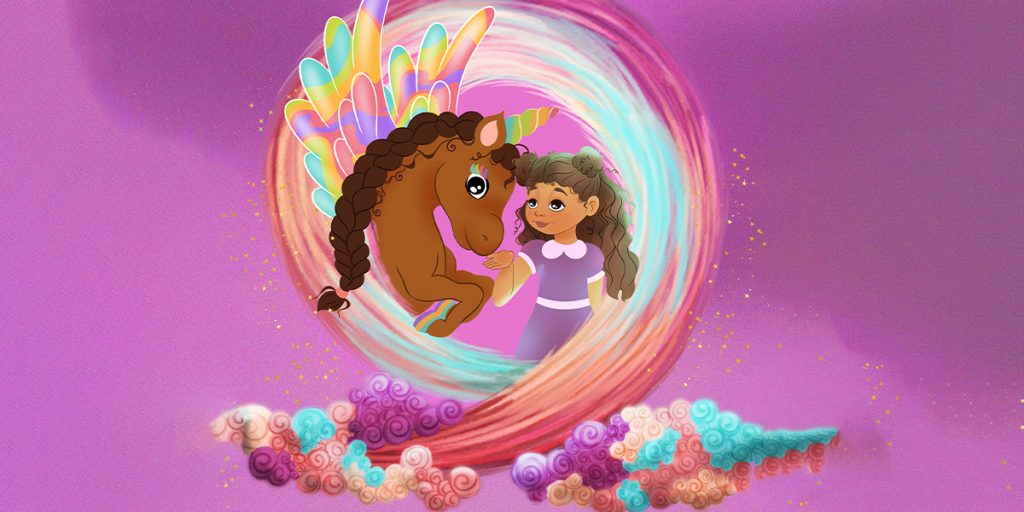
By planning colors across the entire book, illustrators avoid jarring shifts that could confuse young readers. The script ensures a visual rhythm that mirrors the emotional arc of the manuscript. This step is critical in achieving children’s book art consistency, tying each page together through color harmony.
Step 3: Maintaining Character Consistency
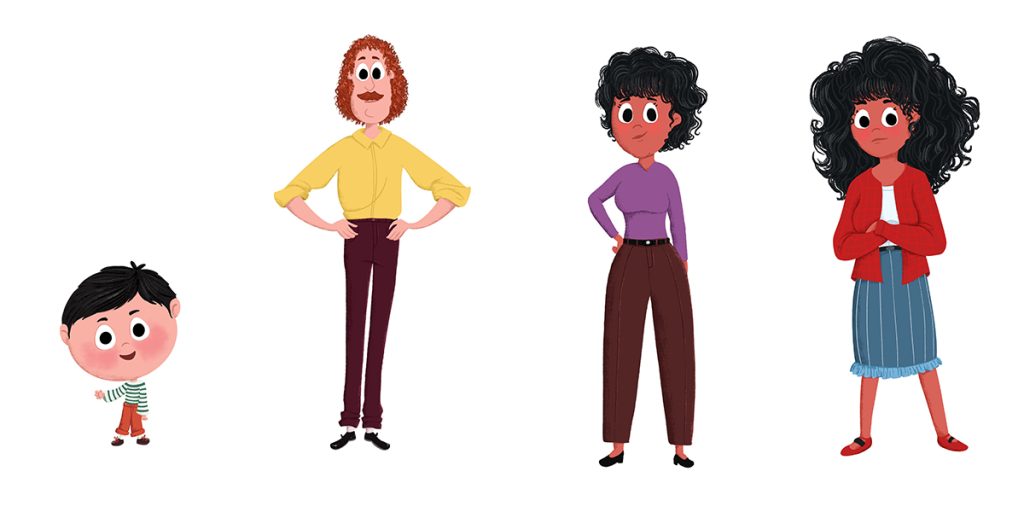
Characters are the anchors of children’s stories. Consistency in features, proportions, and expressions is vital. Even slight changes can break recognition for young readers. To maintain visual consistency in children’s book art, illustrators often create model sheets showing characters in multiple poses, outfits, and moods.
For authors, reviewing these sheets provides reassurance that characters will remain steady across the story. Combined with thumbnails and color scripts, these tools keep illustrations aligned with narrative goals.
Step 4: Balancing Text and Art Across Pages
Another element of consistency is how text and illustration interact. If text placement shifts too dramatically from page to page, it can distract the reader. Early mockups help align text blocks with illustrations so that flow feels natural. This balance ensures children can follow the story without interruption, strengthening the overall storytelling experience.
Step 5: Collaborative Communication Between Author and Illustrator
For independent authors especially, communication is the secret to success. Understanding the illustrator’s workflow—sketches, thumbnails, color scripts, final art—helps authors give feedback at the right stage. Catching inconsistencies early saves time and prevents costly revisions later.
Authors should focus feedback on narrative alignment: “Does this spread capture the same emotional tone as the manuscript?” This ensures input contributes to children’s book art consistency without stifling the illustrator’s creativity.
Step 6: Checking Pacing and Page Turns
Consistency isn’t just about how things look it’s also about pacing. A story that rushes in one part and drags in another will feel uneven. Thumbnails help test pacing, while color scripts emphasize emotional highs and lows. Together, these tools create a rhythm that feels steady yet engaging, encouraging children to turn each page with excitement.
Step 7: Polishing for Publication
By the time final illustrations are complete, every spread should feel like part of a larger whole. Reviewing the book as a sequence rather than individual pages—helps authors confirm visual consistency in children’s book art. Color palettes, character expressions, and storytelling flow must align. Only then is the book truly ready to delight its audience.
Quick Tips for Authors Reviewing Kids’ Book Art
- Ask to see thumbnails before full sketches.
- Review color scripts to confirm emotional flow.
- Check characters for consistent proportions and traits.
- Ensure text placement is stable throughout the book.
- Focus on narrative alignment, not just aesthetics.
- Look at the story as a whole, not isolated pages.
Conclusion
The Rainbow Stories .Crafting children’s books is about more than beautiful art it’s about creating a consistent experience that helps young readers connect with the story. Tools like thumbnails in picture book illustration and color scripts for kids’ books provide a foundation for achieving children’s book art consistency.
When authors and illustrators work together to maintain visual consistency in children’s book art, the result is a book that feels seamless, engaging, and magical. By planning carefully and reviewing thoughtfully, you ensure every page turn flows into the next, creating a story that children will cherish for years.