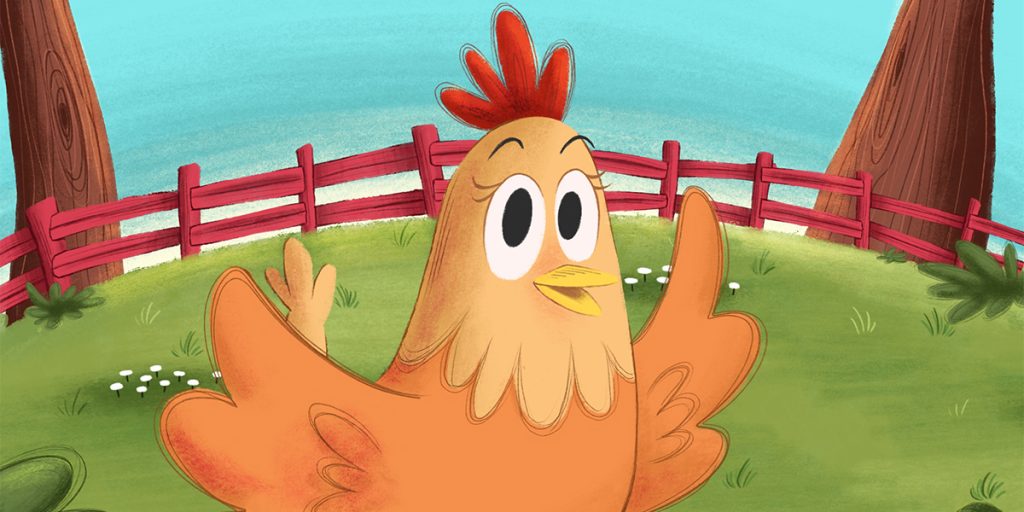
Illustrations are more than just visuals in children’s books—they are a vital part of the storytelling process. For kids aged 3 to 8, characters’ emotions are often understood first through imagery rather than words. Capturing those feelings through art helps young readers connect with stories on a deeper level. When children’s book characters display clear, relatable emotions, they support emotional development and spark empathy. Illustrators use specific techniques to express everything from joy to sadness using facial expressions, body language, and color. This blog explores how artists bring emotions to life, making stories visually engaging and emotionally meaningful for children.
Why Emotions Matter in Children’s Book Characters
In early childhood, kids are still learning how to recognize and name their feelings. Seeing emotions on children’s book characters helps them relate, understand, and build empathy. Emotional visuals are not just artistic—they’re part of the learning process.
Illustrators use a wide range of emotional illustration techniques to make characters relatable and emotionally expressive. This process supports visual storytelling for kids, helping them grasp the narrative even without reading every word.
Facial Expressions: The Core of Emotional Communication
A smile, a tear, or a raised eyebrow can speak volumes. Understanding how to draw emotions in characters begins with mastering facial expressions. For young readers, emotions must be clear and exaggerated enough to be understood instantly.
Facial expressions in illustrations often rely on the eyes, eyebrows, and mouth. By adjusting these features slightly, illustrators can show joy, fear, anger, or surprise. Even simple line shifts can dramatically change a character’s emotional tone.
Body Language: Speaking Without Words
Beyond the face, body posture adds another layer to emotional depth. A character hunched over in sadness or jumping high with joy tells its own story. Expressive character design uses pose and gesture to reflect inner feelings.
In children’s book illustration techniques, body language must remain clear and readable. Every stance should support the mood and narrative, helping kids connect the character’s actions with the emotion behind them.
Using Color to Express Feelings and Set the Mood
Color is a powerful emotional tool. Warm tones like red, orange, and yellow often signal happiness, excitement, or energy. Cool colors like blue and purple can reflect sadness or calm. Using color to express feelings enhances both the character and the overall atmosphere of a scene.
Strategic color choices affect the mood and tone in children’s books. Background hues, lighting effects, and contrasts between characters and settings can all amplify emotional moments in a story.
Consistency of Emotion Throughout the Story
An emotional arc needs to be visually consistent to support the narrative. From beginning to end, illustrators track how a character’s emotions evolve with the story. Each change in expression or body language must match the pacing and development of the plot.
This consistency builds emotional connection in visual narratives. When readers see emotions change over time—fear turning into bravery, sadness into joy—they experience the growth alongside the character.
Emotional Illustration Techniques and Tools
Today’s illustrators blend traditional and digital methods to show emotion effectively. Pencil sketches allow for soft, subtle moods, while digital tools offer precise control over color and texture. Whether using brushes or styluses, illustrators rely on proven children’s book illustration techniques to make feelings visible.
Some use visual metaphors—like stormy skies or bright suns—to highlight emotional moments. Others adjust line weight, spacing, or composition to subtly shift the tone. These artistic decisions are all aimed at capturing feelings through art that resonates with children.
Tips for Authors Collaborating with Illustrators
Writers can support the emotional work of illustrators by describing the emotional tone in their manuscripts. Instead of only explaining actions, they can include hints about how the character feels in a scene. This helps the illustrator choose the right expression, pose, or color scheme.
Open communication and creative freedom are vital. When illustrators understand the emotional core of the story, they can produce art that connects with young readers on a deeper level.
Bring your characters to life: If you’re an author or illustrator aiming to create expressive, memorable characters, our professional Character Design Services can help transform ideas into visually engaging figures that resonate with young readers.
Conclusion
Bringing emotions to life in children’s book characters takes more than artistic talent—it requires empathy, observation, and storytelling skill. Through facial expressions, body language, color, and layout, illustrators build bridges between young readers and the fictional worlds they explore.
These visual cues help children learn to understand themselves and others. That’s why mastering how to draw emotions in characters is one of the most powerful tools in a children’s book illustrator’s toolkit. When done right, emotional illustrations don’t just show feelings—they create them.
Illustrating feelings is about connecting deeply with young readers. Discover how The Rainbow Stories combines creativity and storytelling to make every page come alive.