Creating a successful children’s book is a team effort. While the author crafts the story, the book illustrator brings it to life visually. Effective collaboration between author and illustrator is essential for producing a captivating and cohesive final product. Whether you’re self-publishing or working with a traditional publisher, knowing how to work well with your illustrator ensures a smooth and creative journey from manuscript to finished book.
Why Choosing the Right Book Illustrator Matters
The right book illustrator can transform a simple story into a rich, immersive experience for young readers. But it’s not just about hiring someone who can draw well. It’s about finding a creative partner who understands your story, shares your artistic vision, and can contribute to powerful visual storytelling that enhances the emotional and narrative impact of your text.
Book Illustrator Collaboration Tips
One of the most important book illustrator collaboration tips is to start with clear communication. Be upfront about your expectations, timelines, and the level of creative freedom the illustrator will have. Provide a well-polished manuscript and any initial ideas you might have about characters, settings, or tone.
Mutual respect is vital. While you know your story best, the illustrator knows how to visually interpret it. Trusting their expertise in character design and development will help you both create something beautiful and balanced.
Every great children’s book begins with a spark—and stunning visuals to match. Let our Book Illustration Services turn your spark into storytelling magic.
Define Roles and Responsibilities
Before starting the creative collaboration process, clearly define who is responsible for what. Will you give detailed direction for each page, or let the illustrator interpret the manuscript freely? Will you be involved in every stage of development, or only review final drafts?
These decisions affect workflow and deadlines. Having clarity early on prevents confusion later and helps align your goals. For children’s books illustrated to the highest standard, both parties must be on the same page from the outset.
From Manuscript to Storyboard
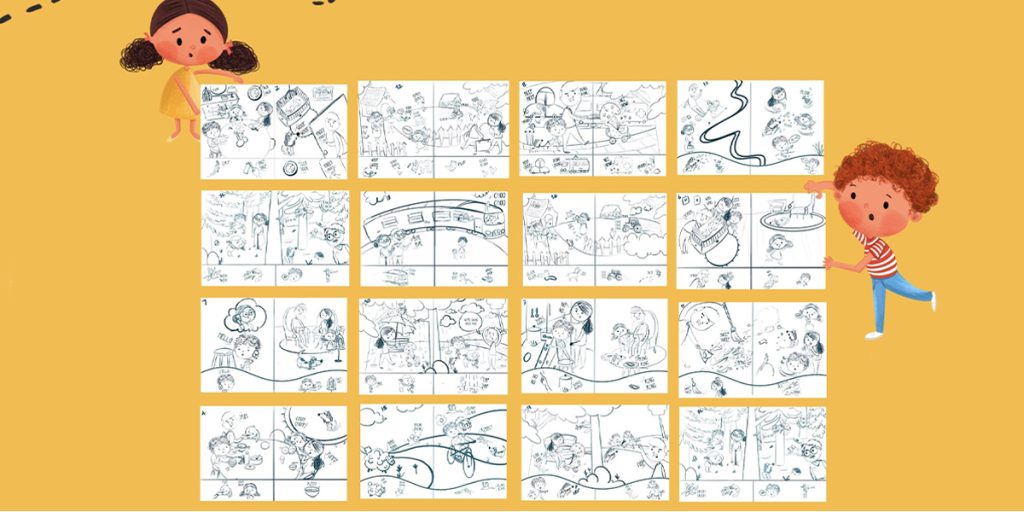
One of the crucial stages in children’s publishing is translating the manuscript to storyboard. This phase outlines how text and imagery will flow across pages. It also helps in planning pacing, page turns, and where to create emotional or comedic moments.
Share your thoughts on which scenes are most important and allow your book illustrator to suggest visual pacing. Their understanding of layout and composition is essential for making the story visually engaging.
Embrace Artistic Vision Alignment
During early discussions, talk openly about your visual inspirations. Do you envision a whimsical watercolor style or a bold, cartoonish look? Clarify the tone and mood you want to achieve. This step ensures artistic vision alignment, reducing the chances of miscommunication and revision.
It’s also helpful to share examples of other children’s books illustrated in styles you admire. This gives the illustrator a visual reference and helps guide the development of your unique illustration style.
Stay Open to Feedback and Revisions
Effective book illustrator collaboration tips include being flexible. While it’s tempting to hold tightly to your original vision, be open to your illustrator’s suggestions. They may propose layout changes or visual cues that elevate the narrative.
The creative collaboration process thrives on mutual feedback. Approaching each stage thumbnails, sketches, and final artwork—with a willingness to adjust will create stronger illustrations that better serve the story.
Maintain Consistency in Illustration Style
Consistency is key in any children’s books illustrated project. From the first page to the last, the illustration style should remain uniform. That includes line weight, color palette, character proportions, and background treatment.
Discuss this from the beginning and revisit it during reviews. A professional book illustrator will know how to maintain visual cohesion, but it’s still worth checking as the book develops.
Use Tools That Support Collaboration
To keep the project organized, use collaboration tools like shared folders, cloud-based feedback platforms, or visual mood boards. These support the creative collaboration process and make it easier to exchange feedback, reference images, and updates in real time.
Regular check-ins are also useful. Even a 15-minute video call can help resolve issues faster than lengthy emails. Keeping communication channels open ensures both author and book illustrator stay aligned throughout the project.
How to Illustrate a Book
Illustrating a book is a creative process that combines artistic skill with storytelling. Whether you’re creating a children’s book, graphic novel, or illustrated guide, your illustrations help bring the text to life and engage readers visually. Here’s a step-by-step guide on how to illustrate a book effectively.
Understand the Story
Before drawing anything, you need to fully understand the story. Read the manuscript carefully, noting the tone, key events, characters, and settings. Identify moments that would benefit most from visual emphasis.
Tip: Create a list of scenes that need illustrations to ensure you capture all important parts of the story.
Define Your Style
Your illustration style sets the mood for the book. Decide whether your artwork will be realistic, cartoonish, whimsical, or abstract. Consider the target audience and the emotional tone of the story when choosing colors, line styles, and character designs.
Tip: Look at other books in your genre for inspiration but keep your style unique.
Create Character Designs
Develop consistent character designs before starting the illustrations. Draw multiple versions of the main characters to finalize their look, expressions, and outfits. This ensures continuity throughout the book.
Tip: Keep a reference sheet for characters, including their colors, proportions, and distinctive features.
Plan the Layout and Storyboard
A storyboard maps out how illustrations will flow with the text. Sketch rough layouts for each page or spread, showing where images, text, and whitespace will appear. This helps with pacing, page turns, and storytelling impact.
Tip: Focus on visual storytelling and how illustrations can highlight important emotions or actions.
Sketch the Illustrations
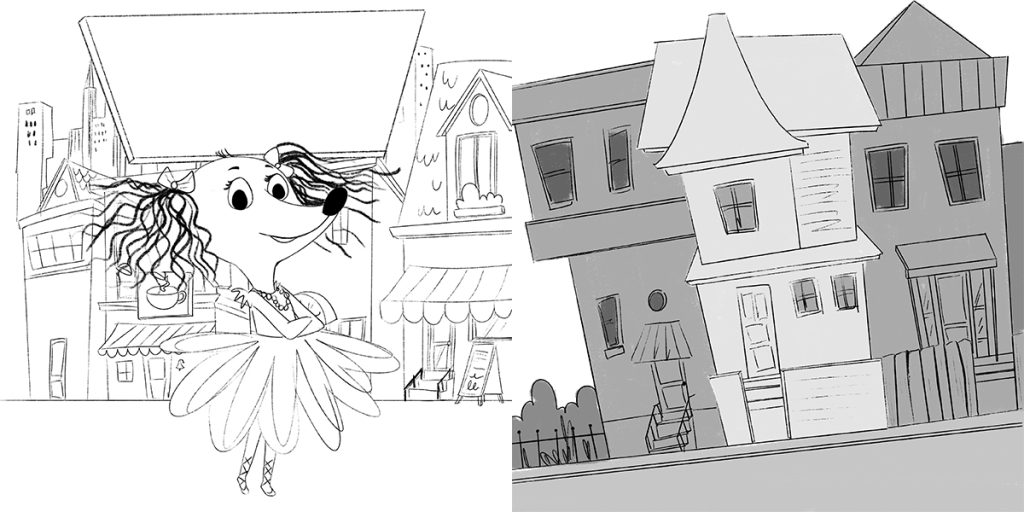
Start with rough sketches for each illustration. Focus on composition, perspective, and movement. Don’t worry about details yet; this stage is about capturing the main idea for each scene.
Tip: Use thumbnails to explore multiple composition options before finalizing.
Finalize Artwork
Once sketches are approved or finalized, move on to the detailed illustrations. Add colors, shading, textures, and finishing touches. Ensure your style remains consistent across all pages.
Tip: Work digitally or traditionally, depending on your preferred medium, but maintain high resolution for printing.
Integrate Text and Images
Combine your illustrations with the book’s text, ensuring readability and balance. Adjust illustrations to fit text placement and vice versa. Make sure the visuals enhance the story rather than distract from it.
Tip: Use mock-ups or digital layouts to preview pages before final printing.
Review and Revise
Review all illustrations for accuracy, consistency, and impact. Seek feedback from peers or editors. Make adjustments as needed to improve clarity, composition, and overall visual appeal.
Conclusion:
Working with a book illustrator on a children’s book is a rewarding and enriching experience when approached with care and creativity. Effective communication, respect for each other’s roles, and alignment of artistic goals are key to producing a book that resonates with young readers. AtThe Rainbow Stories, we turn your ideas into magical, illustrated children’s books with expert book illustrator.
By following these book illustrator collaboration tips, from initial character design and development to final layout, you’ll ensure that the visuals complement the story beautifully. The combination of strong storytelling and compelling visual storytelling can turn a simple manuscript into a memorable masterpiece.
So, whether you’re preparing your manuscript or already seeking an illustrator, remember: great children’s books illustrated with thought and teamwork leave lasting impressions—not just on the page, but in the hearts of readers.
Frequently Ask Questions
Why is choosing the right book illustrator important?
The right illustrator brings your story to life visually and ensures that the illustrations match the tone, mood, and style of your book.
How do I communicate effectively with my illustrator?
Share a polished manuscript, your creative ideas, and clearly outline expectations, deadlines, and the level of creative freedom.
What is the role of a storyboard in children’s book illustration?
A storyboard maps how text and visuals flow across pages, helping plan pacing, page turns, and highlight emotional or comedic moments.
How do I ensure consistency in illustration style?
Discuss style preferences, color palettes, character designs, and revisit these elements during reviews to maintain uniformity from start to finish.
Which tools can help with illustrator collaboration?
Use cloud storage, shared folders, mood boards, and collaboration platforms for feedback, and schedule regular check-ins to stay aligned.