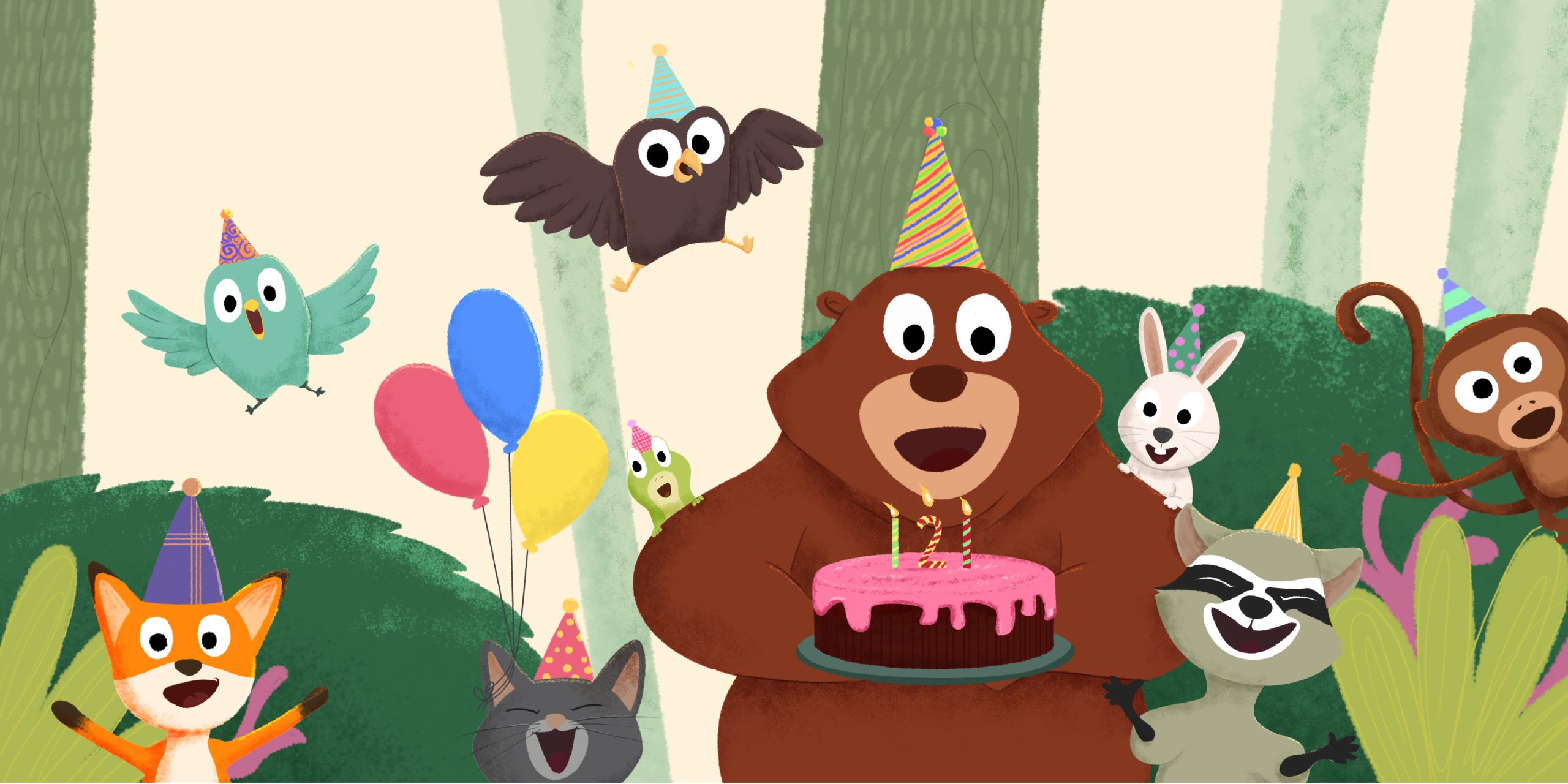
Children’s stories come alive through their characters. Whether it’s a brave little rabbit, a funny monster, or a kind princess, kids connect emotionally with characters that feel real, relatable, and fun. But what makes children instantly love a character?
Designing characters for kids is a blend of art, psychology, and storytelling. Every color, shape, and facial expression plays a part in building emotional connection. In this guide, you’ll learn how to design characters kids will instantly love—from visual design choices to personality details that make them unforgettable.
Start with a Simple and Recognizable Design
Children naturally respond to simplicity. Their brains process shapes and colors faster than words, which means clear, easy-to-recognize designs work best.
When designing for kids:
- Use basic shapes like circles and ovals for a friendly appearance.
- Avoid overly complex details that distract from the character’s main features.
- Make sure your character is easy to identify even in small illustrations or quick glances.
For example, Peppa Pig, Mickey Mouse, and SpongeBob SquarePants all rely on simple silhouettes and consistent color palettes. The moment a child sees them, they know exactly who they are.
Focus on Expressive Faces and Emotions
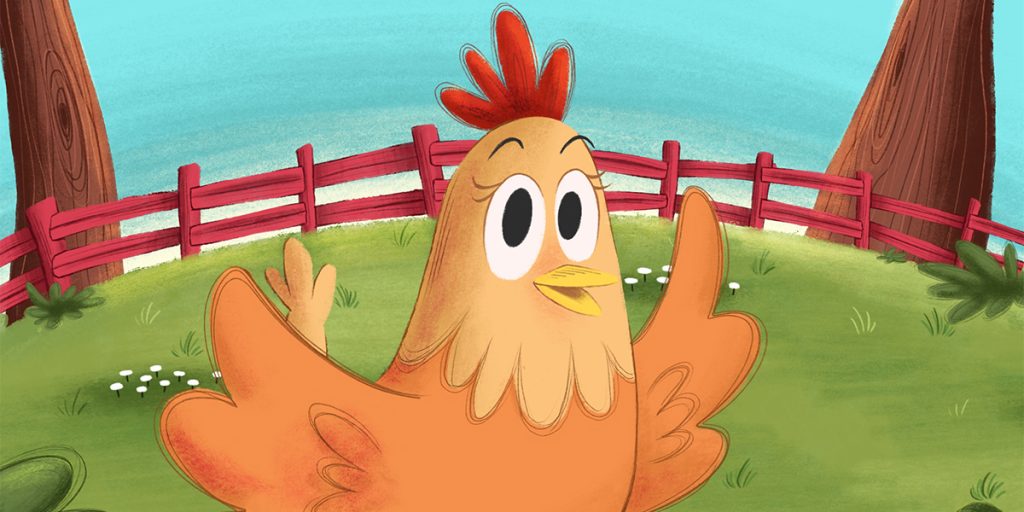
Children connect with emotions before they connect with stories. That’s why facial expressions are the heart of any kid-friendly character.
A professional children’s book illustrator exaggerates features like eyes, mouth, and eyebrows to make emotions easy to read:
- Big eyes convey curiosity and innocence.
- Rounded cheeks express warmth and friendliness.
- Wide smiles create instant joy and trust.
Every expression should clearly show how the character feels — happy, scared, surprised, or sad — even without text. This visual clarity helps young readers relate to the story emotionally.
Use Colors That Evoke Emotion
Color is one of the strongest tools in children character design. Bright, cheerful hues grab attention, while softer tones create calmness and comfort.
Here’s how different colors work with kids:
- Red and yellow: Energetic, playful, and exciting — great for adventurous or funny characters.
- Blue and green: Calming, safe, and trustworthy — perfect for friendly heroes or mentors.
- Pink and purple: Warm, magical, and comforting — ideal for kind or imaginative characters.
- Pastels: Gentle and soothing — perfect for baby books or bedtime stories.
A balanced color palette makes the character visually appealing while also supporting their personality. Kids often remember characters by their signature colors.
Also Read:Character Design Basics
Give the Character a Distinct Personality
A great design goes beyond how a character looks—it’s also about who they are. Children love characters with strong, easy-to-understand personalities.
Start by defining three key traits. For example:
- Brave, curious, and kind
- Silly, clumsy, but good-hearted
- Shy, clever, and imaginative
Keep it simple. Kids should be able to describe your character in one sentence. Their actions and expressions should match their personality across every illustration.
Tip: Add a relatable flaw. Imperfections make characters more human and loveable.
Incorporate Fun and Imaginative Details
Children love discovering little details. A quirky accessory or a funny habit can make your character stand out.
Think about:
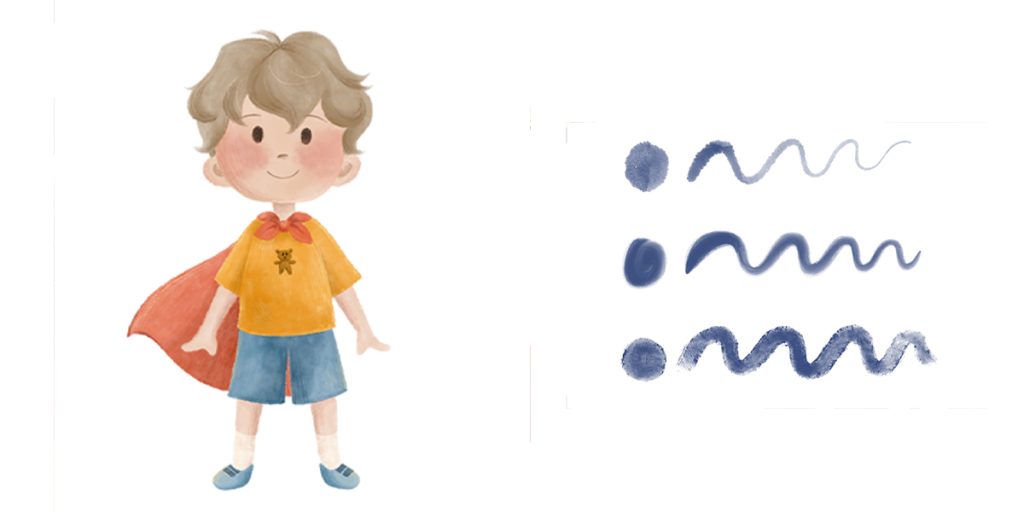
- A tiny cape that always trips them up
- A magical hat that changes color with mood
- A pet sidekick with an opposite personality
These small elements add charm and memorability. They also make your character easier to merchandise—think plush toys, stickers, or storybook covers.
But remember: keep the focus on the story, not just decoration. Every design detail should support your character’s role and world.
Create Clear Silhouettes
In professional character design, silhouette clarity means that your character should be instantly recognizable even in shadow form.
This principle helps kids easily distinguish one character from another, especially in group scenes.
Use varied shapes and proportions:
- Round bodies for friendly and soft characters
- Tall, slim shapes for elegant or mysterious characters
- Sharp, angular shapes for villains or tricksters
Make Them Move and Feel Alive
Movement gives energy and life to your character. Kids love dynamic, active poses that show emotion and personality.
When illustrating, ask:
- How does this character walk?
- Do they skip, bounce, or tiptoe?
- How do they react when excited or scared?
Body language tells half the story. A slumped posture may show sadness, while a bouncing stance screams enthusiasm. The more animated your character feels, the stronger the connection with young readers.
Design for Growth and Series Potential
If you’re creating a character for a children’s book series, designed with longevity in mind.
Your character should be adaptable enough to fit different settings, moods, and adventures without losing identity. Keep their core design consistent while allowing for small variations (like seasonal outfits or emotional expressions).
Conclusion
Designing characters kids will instantly love takes more than artistic skill—it requires empathy, simplicity, and storytelling insight. Every shape, color, and gesture should reflect warmth, joy, and connection.
Children don’t just see characters—they feel them. The ones they love most are those that make them laugh, comfort them in fear, or inspire their imagination.
At The Rainbow Stories, we specialize in children’s book character design that captures hearts and sparks imagination. Our illustrators craft colorful, expressive, and lovable characters that make every story unforgettable. Because when a child falls in love with a character, they fall in love with reading too.