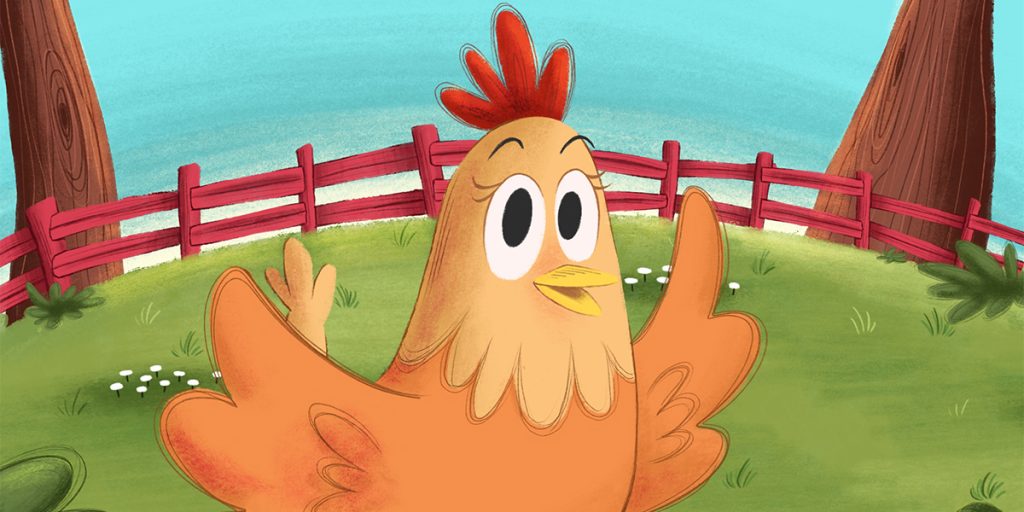

Sketching is the foundation of every successful children’s book illustration. Long before color, fine details, or final polish are added, sketches define the characters, scenes, and emotions that young readers connect with. A strong sketch helps illustrators plan visual storytelling, express personality, and communicate ideas clearly and confidently. It allows creative ideas to take shape before they are refined into finished artwork.
In children’s books, sketching does not need to be complex or highly detailed to be effective. In fact, simplicity often creates the strongest impact. Clear shapes help characters feel friendly and recognizable, while readable expressions make emotions easy for children to understand. Purposeful, confident lines guide the viewer’s eye and keep the illustration visually engaging without overwhelming young readers.
By focusing on clarity rather than perfection, illustrators can create artwork that supports storytelling and captures attention. Simple sketching techniques make it easier to explore ideas, refine compositions, and build consistency across pages. This guide highlights practical, easy-to-follow sketching tips designed specifically for children’s book illustrators, helping them create expressive, story-driven illustrations that resonate with young audiences.
Start With Loose and Simple Sketches
The first and most important step in effective sketching is letting go of the need for perfection. Early sketches are not meant to be polished or final; they exist to explore ideas, test concepts, and discover what works visually. Beginning with loose, rough sketches allows creativity to flow freely without the pressure of getting everything right on the first attempt.
When illustrators focus too much on clean lines or fine details too early, their sketches can become stiff and unnatural. This approach often limits experimentation and slows down the creative process. Loose sketching, on the other hand, encourages quick exploration of different poses, compositions, and facial expressions. It allows you to try multiple ideas in a short time and easily move on from concepts that do not feel right.
Rough sketches should be treated as visual brainstorming rather than finished artwork. Use light, flexible lines and simple forms to block out ideas. Fast, energetic movements help capture emotion and movement without overthinking. At this stage, clarity of the concept is far more important than accuracy or detail.
Simple sketches create a strong foundation for expressive and confident illustrations. Once the idea feels right, refining the drawing becomes easier and more natural, leading to stronger final artwork for children’s books.
Vavada kod promocyjny 2026 – ekskluzywne bonusy dla graczy
Focus on Clear Shapes and Silhouettes
Children connect most easily with visuals they can recognize at a glance. This is why clear shapes and strong silhouettes are essential when sketching for children’s books. Before adding facial features, clothing, or small details, focus on building characters and objects using simple shapes such as circles, squares, and triangles. These basic forms create structure and make designs easier for young readers to understand.
Strong silhouettes help ensure that a character remains recognizable in any situation. Even when viewed from a distance, in low detail, or in shadow, the character’s outline should still clearly communicate who they are. One effective way to test this is by filling your sketch with a solid color. If the shape still reads clearly without internal details, the design is working well.
Clear shapes also simplify complex ideas. They reduce visual confusion and make characters feel friendly, approachable, and inviting. Children should not have to work hard to understand what they are seeing. When a character’s shape is simple and readable, children can immediately identify them and focus on the story itself rather than decoding the illustration.
By prioritizing strong shapes and silhouettes during the sketching stage, illustrators create a solid foundation for engaging, memorable characters. This approach improves clarity, supports storytelling, and helps illustrations communicate effectively to young audiences.
Keep Your Lines Clean and Expressive
Line quality plays an important role in effective sketching, especially for children’s book illustrations. Confident, intentional lines feel lively and full of character, while hesitant or overworked lines can make a drawing appear stiff or lifeless. Clean lines help illustrations feel clear and engaging for young readers.
Try to avoid drawing the same line over and over again. Instead, sketch with purpose and confidence, even if the line is not perfect. Slight imperfections often add warmth, charm, and personality to children’s illustrations, making them feel more natural and expressive.
Line weight also helps communicate emotion and movement. Thicker, bolder lines can suggest energy, excitement, or strength, while lighter lines often feel soft, calm, or gentle. By varying line quality thoughtfully, illustrators can express mood and emotion without relying on extra details, keeping sketches simple, readable, and visually appealing.
How to Create Memorable Characters for Children Storybooks
Use Gesture Drawing to Capture Movement
Gesture drawing is one of the most valuable skills for children’s book illustrators. It focuses on capturing movement, energy, and emotion quickly rather than precise anatomy.
Children’s stories are full of action—running, jumping, laughing, falling, and playing. Gesture sketches help characters feel alive and dynamic. A good gesture sketch shows what a character is doing and feeling in just a few lines.
Practice gesture drawing by sketching poses within 30 to 60 seconds. Focus on the overall movement instead of details. This technique improves storytelling and prevents characters from looking stiff or lifeless.
Build Better Children’s Book Art: Composition, Color, Sketching & Storytelling Tips
Sketch Facial Expressions Clearly
Facial expressions are crucial in children’s illustrations. Young readers rely heavily on faces to understand emotions and story context. Even subtle changes in eyes, eyebrows, or mouth shape can completely change how a character feels.
When sketching expressions, exaggeration is often helpful. Slightly larger eyes, wider smiles, or more dramatic frowns make emotions easier for children to read. However, exaggeration should still feel natural and consistent with the character’s personality.
Keep facial sketches simple. Too many lines or details can distract from the expression. Clear, readable emotions help children connect with characters instantly.
Illustration Fundamentals: Composition, Color, and Sketch Routine for Kid’s Books
Maintain Character Consistency
Consistency is key in children’s book illustration. Characters should look the same from page to page so children can recognize them easily. Inconsistent proportions or features can confuse young readers.
Creating simple character reference sheets is an effective way to maintain consistency. These sheets can include front, side, and back views, as well as common expressions and poses.
During sketching, regularly compare new drawings with your reference sheet. Consistency builds trust and helps characters feel familiar, which strengthens the reader’s emotional connection to the story.
From Rough Sketches to Storytelling: Essential Tips for Aspiring Children’s Illustrators
Sketch Scenes With Storytelling in Mind
Every sketch should serve the story. Instead of drawing isolated images, think about how each sketch contributes to the narrative. Scene composition, character placement, and perspective all affect how the story is perceived.
Consider where you want the reader’s eye to go first. Use size, positioning, and spacing to guide attention. Important moments should stand out clearly, while background elements support the scene without overpowering it.
Sketching with storytelling in mind ensures that illustrations do more than look good—they communicate meaning and emotion effectively.
Mastering Children Book Illustration Lessons from Composition to Sketchbook Habits
Don’t Fear Mistakes and Revisions
Mistakes are a natural and valuable part of the sketching process. Every incorrect line teaches you something. Children’s book illustrations often go through many revisions before reaching the final version.
Instead of feeling frustrated by mistakes, view them as opportunities to improve. Erasing, redrawing, and adjusting sketches leads to stronger results over time.
Sketching should feel playful and experimental. When illustrators allow themselves to make mistakes freely, creativity becomes more enjoyable and productive.
Are Adult Coloring Books the Same as Children’s Coloring Books?
Choose the Right Tools for Sketching
The best sketching tools are the ones that feel comfortable and natural to use. Some illustrators prefer traditional pencils and paper, while others work digitally using tablets.
Traditional tools offer tactile feedback and simplicity. Digital tools provide flexibility, easy revisions, and layering options. Both approaches are valid, and many illustrators use a combination of both.
Avoid overcomplicating your toolset. A simple pencil or basic digital brush is often enough. The focus should remain on storytelling and expression, not software features.
Fun and Learning: Best Coloring Books for Preschoolers
Practice Daily With Small Exercises
Consistent practice is the fastest way to improve sketching skills. Short daily exercises are more effective than long, irregular sessions.
Simple activities like sketching expressions, quick gestures, or character poses help build confidence and muscle memory. Over time, these small habits lead to noticeable improvement.
Daily practice also helps illustrators develop a personal style. The more you sketch, the more naturally your unique voice begins to appear in your work.
How to Choose the Right Coloring Books for Kindergarten
Common Sketching Mistakes to Avoid
One common mistake is adding too much detail too early. Over-detailing can slow down creativity and distract from storytelling. Focus on structure and emotion first.
Ignoring proportions and gestures can make characters feel stiff or awkward. Another mistake is losing sight of the story and sketching only for visual appeal.
Always ask whether a sketch supports the story. If it does not, simplify or revise it.
Conclusion
Sketching is the foundation of effective children’s book illustration. Simple, expressive sketches help shape clear storytelling, believable characters, and engaging visuals that resonate with young readers. By focusing on loose forms, strong shapes, expressive lines, and clear storytelling intent, illustrators can build artwork that feels natural, emotional, and easy for children to understand.
These same principles—clarity, consistency, and purpose—apply beyond illustration. In creative platforms like Rainbow Stories, success also comes from presenting ideas with structure, intention, and visual harmony. Whether you are sketching characters for a children’s book or presenting a creative journey, simplicity remains the key to impact. When ideas are clear and thoughtfully designed, stories become more meaningful, memorable, and powerful for any audience.