Whether you’re an author, illustrator, or storyteller, a storyboard is your creative roadmap. It transforms your written ideas into visual sequences showing how each scene unfolds, where emotions peak, and how the story flows from start to finish.
In children’s book illustration especially, storyboarding is the secret ingredient that brings imagination to life. It bridges words and visuals, helping you plan page turns, pacing, and layout before the final artwork begins.
If you’ve ever wondered how to start, this step-by-step guide will walk you through everything you need to know to create a storyboard that turns your story into a captivating visual experience.
What Is a Storyboard?
A storyboard is a series of rough sketches that outline how your story will look scene by scene. Each box or “frame” represents a moment — similar to a comic strip or a film reel. It helps you visualize how your narrative will appear once illustrated, animated, or designed for print.
For authors, it’s a tool to refine storytelling flow. For illustrators, it’s a blueprint for composition, action, and timing. And for both, it’s a communication tool ensuring everyone involved shares the same creative vision.
Why You Need a Storyboard Before Illustrating or Publishing
Storyboarding gives you a bird’s-eye view of your story. Instead of focusing on individual scenes, you see the entire journey laid out making it easier to spot weak pacing, missing transitions, or overcrowded visuals.
Here are a few benefits:
- Keeps the story coherent and emotionally engaging.
- Helps balance text and illustration across pages.
- Allows early feedback and collaboration with editors or illustrators.
- Saves time and costs by preventing rework later.
In short, storyboarding makes storytelling strategic not just creative.
Also Read:The Role of Storyboarding in Children’s Book Illustration
Step-by-Step Guide to Creating a Storyboard for Your Story
Let’s break the process down into simple, actionable steps that anyone even non-artists can follow.
Step 1: Read and Analyze Your Story
Before picking up a pencil, dive deep into your story. Identify its key moments, emotional highs, and turning points.
Ask yourself:
- Where does the story start and end?
- What emotions should readers feel at each stage?
- Which scenes need to be visually strong?
This understanding forms the foundation for your storyboard layout.
Step 2: Divide Your Story into Scenes or Spreads
Every scene represents one major idea or action. In children’s books, each spread (two facing pages) often carries one complete visual moment.
Go through your manuscript and mark where page turns should happen. A good rule of thumb: end a spread with something that encourages curiosity or anticipation so readers naturally want to flip the page.
Step 3: Create a Storyboard Template
You can use paper, digital tools, or storyboard templates. Draw a grid with boxes each box represents one page or spread. Beneath each box, leave space to note text, dialogue, or key emotions.
Free tools like Canva, Storyboard That, or even plain paper are perfect for beginners. The goal is clarity, not perfection.
Step 4: Start Sketching Thumbnails
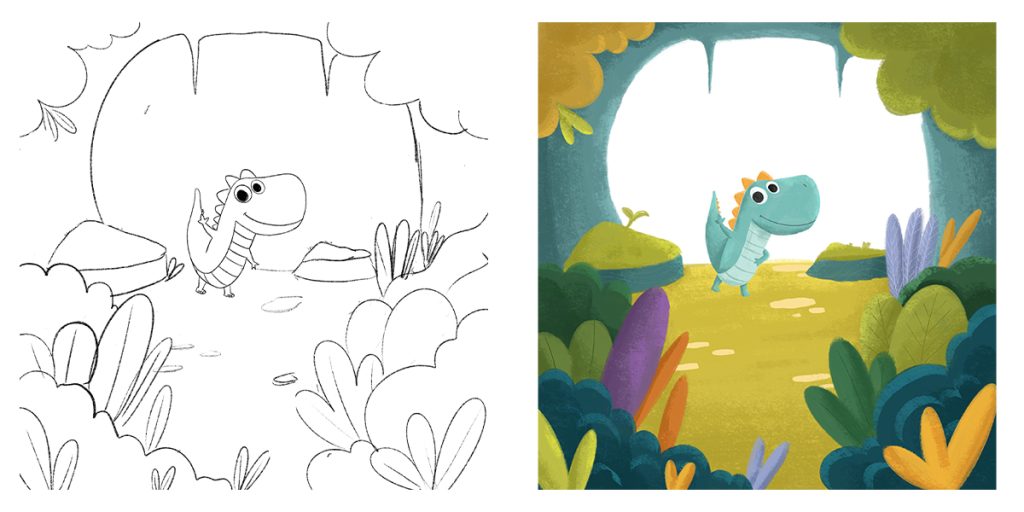
Thumbnails are small, quick sketches that show composition and layout. Don’t worry about details — focus on the overall flow of action and placement of characters.
Sketch:
- Where will the text go?
- How will the reader’s eye move across the page?
- Are scenes balanced and visually engaging?
This step is about experimentation try different angles, perspectives, and pacing until it feels right.
Also Read:Using Visual Storytelling to Build Character Identity
Step 5: Add Text Placement and Page Turns
Children’s books rely heavily on rhythm and timing. Add the text snippets or dialogue you plan to include on each page. Position them where they flow naturally with the visuals.
Mark your page turns carefully every turn should create excitement, surprise, or emotional resonance. Storyboards help you visualize that sense of momentum across the entire book.
Step 6: Review and Refine Your Storyboard
Once your rough sketches are complete, take a step back and review the entire flow:
- Does the pacing feel right?
- Are key moments getting enough visual attention?
- Is there a balance between quiet and active scenes?
You can also share it with editors, illustrators, or critique groups for feedback. Collaborative review helps identify blind spots and ensures your vision connects with readers.
Step 7: Create a Final Clean Version
After refining the draft, make a cleaner version of your storyboard. Use stronger lines, add color codes or tone values to indicate lighting or mood, and finalize text placement.
This version acts as your blueprint for the final illustrations guiding artists, designers, or even animators through the visual structure of your story.
Tips for Better Storyboarding
- Keep it simple: Focus on clarity, not art perfection.
- Think visually: Replace words with actions wherever possible.
- Play with angles: Use close-ups for emotion and wide shots for setting.
- Plan emotion: Make sure each spread contributes to the emotional arc.
- Leave room for creativity: Storyboards are flexible; allow illustrators some artistic freedom.
Final Thoughts
Storyboarding isn’t just an artistic exercise it’s a storytelling skill. It turns your narrative into a visual journey, helping you and your collaborators see the story’s rhythm, emotion, and movement before the first illustration is drawn.
At The Rainbow Stories, we believe storyboarding is the foundation of every great children’s book. It helps transform ideas into clear, engaging visuals that bring each story to life.
By following these steps, you’ll not only make your story visually stronger but also ensure a smoother, more enjoyable creative process from draft to publication.