
Storytelling for children has evolved beautifully over the years shifting from traditional printed picture books to animated digital stories, YouTube episodes, interactive e-books, and storytelling apps. But whether your story is meant to be printed or published online, one creative tool remains essential to the process: storyboarding.
A storyboard is a visual plan that outlines your story frame by frame before you begin final illustrations or digital production. It helps authors, illustrators, animators, and digital creators organize ideas, design scenes, shape characters, and ensure a smooth narrative flow that keeps children engaged from beginning to end.
In this guide, we’ll explore why storyboarding for kids’ books and digital stories is important, how the process differs for print vs digital formats, and how you can create a compelling storyboard that brings your children’s story to life.
What Is Storyboarding and Why Is It Important for Kids’ Stories?
A storyboard is a sequence of sketches or visuals arranged in panels that show how a story will unfold. For children’s content, it is especially useful because:
- Kids learn visually, so stories must be structured visually too
- It ensures storytelling consistency in emotions, settings, and plot
- It helps creators see if the narrative flows smoothly
- It prevents confusing jumps, unclear storytelling, and weak endings
Whether the final output is a picture book, animated video, e-book, or digital story, a storyboard allows you to experiment and improve your narrative before investing time in full artwork or production.
Also Read : Tell a Beautiful Story in 8 Simple Storyboard Frames
Benefits of Storyboarding for Kids’ Books
Creating a storyboard offers unique advantages for children’s authors and illustrators:
1. Brings Imagination to Life
Children’s stories are full of magic, emotion, and visual wonder. A storyboard helps you translate ideas into clear visual scenes that children can follow.
2. Helps Build Strong Character Presence
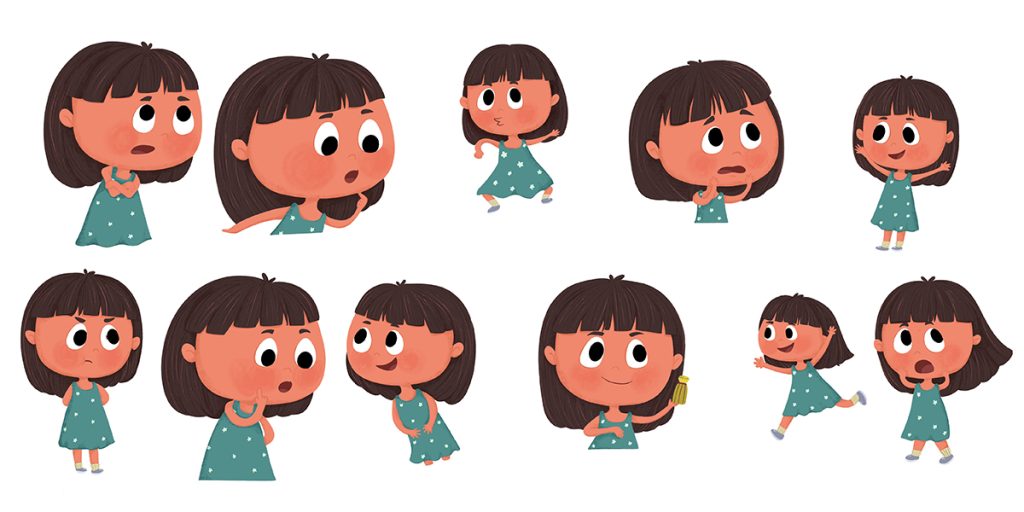
Characters are the heart of children’s books. Through storyboards, you can develop character positioning, expressions, movement, and interactions.
3. Saves Time During Illustration
A visual plan prevents unnecessary revisions later. You can refine scenes early, saving hours of redrawing.
4. Improves Read-Aloud & Page-Turn Flow
Children’s books rely on rhythm and pacing. Storyboards ensure pages transition smoothly so young readers stay glued to the story.
Why Storyboarding Matters for Digital Stories
Digital stories require a different structure. Kids consume stories on tablets, YouTube, storytelling apps, and interactive platforms. Storyboarding helps you:
1. Visualize Motion and Scene Transitions
Digital storytelling involves movement zoom-ins, pans, transitions, music cues. Storyboards allow creators to plan animation or screen direction.
2. Incorporate Audio and Sound Cues
Digital frame planning includes narration, sound effects, or background music. A storyboard can mark where audio enhances storytelling.
3. Plan Interactive Elements
If your story has clickable elements, choices, or learning interactions, you can map them visually before production.
4. Adapt Stories for Different Screen Sizes
Phones, tablets, and laptops all show content differently. Storyboarding ensures that key visuals remain clear on all screens.
Also Read : Why Storyboarding Matters for Writers and Artists
Kids’ Books vs Digital Stories: Storyboarding Comparison
Here is a simple comparison to understand the differences:
| Feature | Kids’ Books Storyboarding (Print) | Digital Story Storyboarding (Online/Animated) |
| Format | Page-by-page layout | Frame-by-frame or screen-by-screen |
| Focus | Illustrations + text placement | Visuals + motion + sound cues |
| Flow | Page-turn effect | Transitions, animations, timing |
| Read Method | Physical reading or read-aloud | On-screen viewing, interactive, autoplay |
| Tools | Pencil, paper, PDF templates | Digital storyboard sheets, animation software |
| Goal | Emotional, simple, imaginative | Engaging, dynamic, immersive |
Also Read : Turn Your Imagination Into Reality with Storyboards
How to Create a Storyboard for Kids’ Books and Digital Stories
The core principles remain the same, whether your final output is a printed book or a digital story.
1. Start with a Short Script or Story Summary
Write your story in 8–12 key points. Each point becomes one storyboard frame or page.
2.Break the Story into Scenes
Identify where scenes change based on:
- Setting
- Character action
- Emotional shift
- Time progression
3. Sketch Rough Visuals (Thumbnails)
Use boxes or panels to create rough sketches. Stick figures are fine focus on composition and storytelling, not perfect art.
4. Plan Character Emotions and Expressions
Children connect with feelings more than descriptions. Ensure emotional clarity in every frame.
5. Add Key Dialogue or Narration
Include only necessary text to support the visuals. Avoid overcrowding.
6. Adjust the Pacing
Keep the rhythm engaging. Kids need excitement, calm, surprise, and joy in balance.
7. Review for Consistency
Ensure character design, colors, and settings stay consistent throughout the story.
Tools for Storyboarding Kids’ Stories
You can storyboard using traditional or digital tools:
Traditional Tools
- Storyboard printable worksheets
- A4 sketchbook or dotted notebook
- Sticky notes for reshuffling scenes
Digital Tools
Ideal for both book and digital storyboarding:
- Procreate
- Canva
- Adobe Illustrator or Photoshop
- Storyboarder by Wonder Unit
- PowerPoint/Keynote (surprisingly effective)
For digital stories:
- Toon Boom Storyboard Pro
- Krita
- FlipaClip
- CapCut timeline planning
Tips to Make Storyboards More Engaging for Children’s Content
- Use lots of visual storytelling let the images do the talking
- Add playful elements, props, colors, and expressive characters
- Leave space for imagination; don’t over-explain visually
- Keep consistency in character outfits, sizes, and personality
- Show diversity, inclusion, emotions, and kindness
- Plan frames that create curiosity children love anticipation
- Always end with a warm, happy, or meaningful emotional moment
Common Storyboarding Mistakes to Avoid
Avoid these mistakes to ensure your story remains clear and magical:
- Overcrowded frames with too many details
- No clear problem or conflict in the story
- Flat expressions or unclear emotions
- Using identical angles in all scenes
- Forgetting page-turn suspense for book stories
- Too much text inside frames
- Ignoring transitions or audio cues for digital stories
Also Read : Pro Storyboarding Tips from Pixar and Disney Artists
Final Thoughts
Storyboarding for kids’ books and digital stories is a powerful creative step that transforms imagination into a well-structured, enjoyable, and visually exciting experience for children. Whether your goal is to publish a picture book, create an animated episode, or develop a digital story, a storyboard gives you the roadmap you need to succeed.
By visually mapping out scenes, characters, emotions, and pacing, you’ll ensure your story flows smoothly, engages young minds, and delivers meaningful messages. Start simple, experiment with frames, and let your visuals carry the magic. Once your storyboard is strong, your final art or digital production will blossom beautifully.
Frequently Ask Questions
- How many storyboard frames do I need for a kids’ book?
Usually between 8 to 24 frames, depending on the book length. - Can I storyboard digitally even if my book is for print?
Yes. Many illustrators use digital tools because they are easier to edit, share, and review. - What is the main difference between book and digital storyboards?
Book storyboards focus on page layouts, while digital storyboards include movement, sound, and transitions. - Do I need artistic skills to storyboard?
No. Simple sketches work — clarity matters more than drawing skills. - Can children create their own storyboards?
Absolutely! Storyboarding is a fun way to teach kids storytelling, sequencing, creativity, and expression.