Storyboarding is one of the most valuable tools for authors, illustrators, filmmakers, and creative storytellers. Whether you’re planning a children’s picture book, a novel, a short animation, or a marketing video, a storyboard helps you visualize ideas, organize scenes, and maintain consistency. But like any creative process, beginners often make mistakes that weaken the storyboard’s effectiveness and complicate the project later.
Avoiding these mistakes is essential if you want your storyboard to guide your creative flow instead of slowing you down. A well-structured storyboard clarifies your story, strengthens character development, improves pacing, and simplifies communication with editors or illustrators. A poor storyboard does the opposite: it creates confusion, wastes time, and leads to unnecessary revisions.
In this guide, you’ll learn the most common storyboarding mistakes beginners make and how to avoid them. These insights will help you create smoother, clearer, and more powerful storyboards for any creative project.
1. Starting Without a Clear Story Concept
One of the biggest mistakes beginners make is diving into storyboarding without having a clear idea of what the story is about. A storyboard should not be the first step your concept, theme, and message should come first.
If your idea is scattered or incomplete, your storyboard will also be scattered.
What to do instead:
- Start with a simple summary of your story.
- Define the beginning, middle, and ending.
- Identify the main conflict or message.
- Know your central characters and their motivations.
A strong concept makes your storyboard stronger and easier to build.
Also Read : Why Every Author Should Use Storyboarding Tools
2. Trying to Make the First Draft Perfect
Beginners often spend too much time polishing their first storyboard panels. They try to make every sketch look perfect or treat every frame like final art. This slows down the entire process and kills creativity.
Storyboards are meant to be rough, flexible plans not finished illustrations.
What to do instead:
- Keep your sketches simple and quick.
- Use stick figures or basic shapes if needed.
- Focus on visual flow, not artistic detail.
- Remember: refinement happens later.
Your first storyboard should prioritize clarity, not perfection.
Also Read : Easy Storyboarding Tips for Beginners Who Can’t Draw
3. Adding Too Much Visual Detail
Another common mistake is overcrowding storyboard frames with excessive detail. When beginners try to draw every background element, every prop, or every little motion, the board becomes cluttered and hard to read.
Too much detail distracts from the storytelling purpose of the storyboard.
What to do instead:
- Illustrate only the essential elements.
- Highlight important actions or objects.
- Use arrows or notes instead of detailed drawings.
- Keep backgrounds minimal.
A cleaner storyboard communicates ideas faster and more effectively.
Also Read : Turn Story Ideas Into Visual Adventures with Boards
4. Forgetting About Composition and Framing
Even simple storyboard sketches should follow basic rules of composition. Beginners often draw scenes without considering camera angle, character placement, or visual focus. This leads to scenes that feel flat or confusing.
Ignoring composition can weaken the impact of your story.
What to do instead:
- Think about where the audience’s eyes should go.
- Use different angles (wide shot, close-up, over-the-shoulder).
- Apply the rule of thirds to your panels.
- Show movement and direction clearly.
Effective framing brings emotion and dynamism to your story.
Also Read : Storyboarding for Kids’ Books and Digital Stories
5. Not Planning Transitions Between Scenes
A storyboard is not just a collection of frames, it’s a sequence. Beginners often focus only on individual panels and forget to show how scenes move from one to another. This creates awkward or confusing transitions.
Transitions are crucial for pacing and narrative flow.
What to do instead:
- Add arrows to show movement or timing.
- Note fade-ins, jump cuts, or scene changes.
- Show emotional transitions (happy → worried, calm → tense).
- Think about how each panel connects to the next.
Smooth transitions keep your story fluid and engaging.
Also Read : Tell a Beautiful Story in 8 Simple Storyboard Frames
6. Overlooking Timing and Pacing
Good pacing is essential for storytelling. Beginners often create storyboards with uneven pacing; some scenes feel rushed, while others drag. Without guiding notes or timing indicators, it becomes hard to understand the intended rhythm.
What to do instead:
- Assign approximate timing to each scene.
- Use more panels for important or fast-paced moments.
- Use fewer panels for slow or simple scenes.
- Review your storyboard as if watching a movie.
Balanced pacing strengthens your overall narrative.
Also Read : Turn Your Imagination Into Reality with Storyboards
7. Not Considering Character Emotion or Expression
A mistake beginners frequently make is focusing only on physical actions while ignoring characters’ emotions. A storyboard without expression feels empty, even if the illustrations are well done.
Readers or viewers must understand how characters feel in each moment.
What to do instead:
- Add simple facial expressions.
- Use body language to show emotion.
- Add notes describing the emotional tone.
- Show character reactions to events.
Emotion guides the audience’s connection to your story.
Also Read : Pro Storyboarding Tips from Pixar and Disney Artists
8. Neglecting Continuity and Consistency
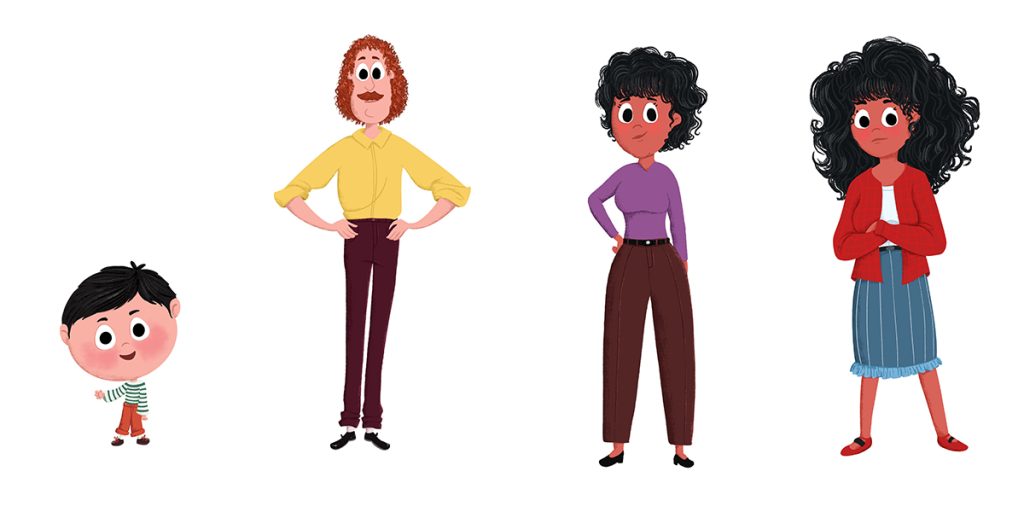
Continuity errors are common when beginners don’t track details between frames. Characters may change height, clothing may appear or disappear, props may switch sides, or backgrounds may suddenly shift.
These inconsistencies break immersion and complicate later production.
What to do instead:
- Keep notes for character design, props, and locations.
- Reference earlier panels while drawing new ones.
- Use templates or reusable elements to maintain consistency.
- Label important objects or positions (e.g., “cup in left hand”).
Consistency makes your storyboard professional and reliable.
Also Read : Why Storyboarding Matters for Writers and Artists
9. Not Labeling Scenes, Shots, or Important Actions
A storyboard must be easy for others to interpret. Beginners often forget to label their frames or describe essential moments. Without labels, collaborators may misunderstand your intention.
What to do instead:
- Number every panel.
- Label camera shots (wide shot, close-up, etc.).
- Add brief notes for complex actions.
- Mark key dialogue or sound effects (if needed).
Clear labeling strengthens communication and reduces confusion.
Also Read : From Sketch to Story: A Beginner’s Storyboarding Guide
10. Creating Too Few Panels
Some beginners try to simplify the process by using too few storyboard panels. This results in missing information, unclear gestures, and rushed storytelling.
A storyboard must break down the story enough to guide production accurately.
What to do instead:
- Add more panels for important scenes.
- Break down multi-step actions into smaller frames.
- Include intermediate actions (e.g., character picks up book → opens book).
- Remember: more panels provide more clarity.
A well-detailed storyboard prevents mistakes during drafting or illustrating.
Also Read : Create Storyboards That Bring Story Ideas to Life
11. Ignoring Feedback or Working in Isolation
Beginner storyboard artists or authors often avoid showing their work until the very end. However, storyboards are planning tools they become stronger with feedback.
What to do instead:
- Share your storyboard early with trusted readers or team members.
- Ask if scenes feel clear and well-paced.
- Listen to feedback before polishing.
- Make revisions before finalizing the layout.
Early feedback improves story flow and prevents major rework later.
Also Read : Storyboarding 101: Build Better Children Stories
12. Not Updating the Storyboard During Revisions
A common mistake is treating the storyboard as a one-time task. Stories evolve as you write, and your storyboard must evolve with them.
If you don’t update your storyboard, your project will become misaligned.
What to do instead:
- Adjust panels whenever scenes change.
- Update notes about character emotion or pacing.
- Replace outdated frames with new ones.
- Reflect every major revision in the storyboard.
A living, updated storyboard ensures your writing stays consistent.
Also Read : Custom Character Development That Matches Your Story Voice
13. Skipping the Thumbnails Stage
Thumbnails small, quick sketches are an essential early step in storyboarding. Beginners who skip thumbnails often waste time revising full-sized frames later.
Thumbnails let you test ideas quickly before committing to bigger drawings.
What to do instead:
- Sketch small, rough versions of every frame.
- Use thumbnails to explore different angles.
- Experiment with pacing and composition.
- Expand thumbnails into full storyboard panels.
This saves time and improves storyboard quality.
Also Read : Why Work with The Rainbow Stories for Character Development?
14. Overcomplicating the Tool or Software
Many beginners believe they must use advanced digital tools to create storyboards. They get distracted by features instead of focusing on storytelling. Fancy software means nothing without a clear narrative.
What to do instead:
- Start simple, even pen and paper work.
- Choose a tool you understand.
- Focus on story flow, not technical details.
- Move to advanced tools only when necessary.
The best storyboard is the one you can create clearly, not the one with the most buttons.
Also Read : Affordable Character Development Packages for Self-Published Authors
15. Forgetting the Purpose of a Storyboard
The biggest mistake beginners make is forgetting what storyboards are meant to do. A storyboard is not a finished artwork, a graphic novel, or a final draft. Its purpose is to communicate ideas.
A storyboard should:
- Tell the story clearly
- Show actions and transitions
- Help plan pacing and layout
- Support collaboration
- Guide the writing or illustration process
When beginners focus only on drawing or aesthetics, they lose the real value of storyboarding.
Also Read : How Our Character Development Brings Your Story to Life
Conclusion
Storyboarding is one of the most powerful tools for bringing ideas to life, but beginners often make avoidable mistakes that limit its effectiveness. Whether you’re a writer, illustrator, filmmaker, or creative storyteller, understanding these common errors helps you build stronger, clearer, and more reliable storyboards.
By avoiding perfectionism, simplifying your sketches, planning transitions, maintaining consistency, and updating your boards as your story evolves, you’ll create storyboards that actually support your creative vision. The goal isn’t to draw perfectly it’s to communicate clearly.
With the right approach, storyboarding becomes not just a planning method but a creative advantage that makes your stories more structured, engaging, and professional.