
Every great film, animation, advert, or creative project begins long before a camera is switched on. It starts with an idea — a spark of imagination. But imagination alone isn’t enough to bring a concept to life. To transform ideas into something real, we need structure, clarity, and a visual plan. That’s where The Rainbow Stories storyboards services come in.
Storyboarding is one of the most effective tools for turning inspiration into a tangible result. Whether you’re creating a short video, designing an animation, planning a marketing campaign, or drafting a children’s story, a storyboard bridges the gap between imagination and execution. It allows you to visualise your idea step by step, ensuring that your vision is understood, refined, and ready to develop.
What Is a Storyboard?
A storyboard is a sequence of visuals that map out how a story, project, or concept will unfold. Traditionally, it consists of frames or panels arranged in a logical sequence, each showing a key moment or action. A storyboard helps you organise thoughts, test ideas, and communicate your vision clearly.
Although storyboards are widely used in film and animation, they are also powerful tools in:
- Advertising and marketing campaigns
- Social media content creation
- YouTube and short-form video planning
- App and game design
- Business presentations and pitches
- Children’s books and educational content
Storyboarding is not exclusive to artists or filmmakers. Anyone with a creative idea can use a storyboard to bring their imagination to life.
Also Read:Pro Storyboarding Tips from Pixar and Disney Artists
Why Storyboards Help Turn Ideas into Reality
Some of the most successful creative studios in the world rely on storyboards, not because they are optional, but because they are essential. They offer several key advantages:
1. They Help You Visualize Your Imagination
When ideas stay in your head, they can feel perfect but vague. Storyboarding pushes you to create a visual form of your idea. This step makes imaginary scenes more concrete. You see the story unfold, identify what works, and recognise what needs improvement.
2. They Provide Clarity and Direction
A storyboard provides a blueprint for your project. It outlines the beginning, middle, and end, helping you maintain structure. With storyboards, you always know what comes next, which keeps your project aligned with your vision.
3. They Improve Collaboration
Storyboards allow others to see into your imagination. Whether you’re working with designers, writers, animators, marketers, or videographers, a storyboard communicates your concept visually. Everyone understands the plan, reducing confusion and speeding up production.
4. They Save Time, Money, and Effort
Testing ideas on paper is far cheaper than correcting mistakes later. Storyboards highlight potential issues early, allowing you to refine scenes before investing time in production. They prevent wasted effort and help you avoid re-doing scenes, content, or designs.
Also Read:Why Storyboarding Matters for Writers and Artists
Where Storyboarding Plays a Transformative Role
Storyboards can be used across a range of creative and practical fields. Here’s how they transform ideas into reality in different industries:
Film and Animation
For filmmakers and animators, storyboards are essential for visual storytelling. They determine shot composition, camera angles, scene transitions, and pacing. Animation studios like Disney and Pixar develop detailed storyboards long before production begins, ensuring every emotional beat and visual moment is intentional.
Advertising and Brand Campaigns
In marketing, storyboards help visualise adverts, brand stories, and campaign messaging. They allow marketing teams to test concepts, refine narratives, and align creatives with brand identity before filming.
Social Media and Content Creation
Creators today rely on storyboards to plan Instagram reels, YouTube videos, TikTok content, and digital storytelling. They help ensure the content flows smoothly, remains engaging, and achieves the message’s purpose.
Product and App Design
In UX/UI design, storyboards visualise the user journey. They showcase how a user interacts with an app or product, making the design more intuitive and user-centred.
Education and Creative Writing
Teachers, authors, and educators use storyboards to develop lesson plans, classroom activities, and children’s books. Storyboards make it easier to teach narrative structure and sequencing to learners of all ages.
Also Read:Create Storyboards That Bring Story Ideas to Life
The Key Elements of a Storyboard
If you want your storyboard to communicate your imagination clearly, include the following elements:
1. Frames or Panels
Each frame represents a key moment. It doesn’t have to be a perfect drawing — stick figures are acceptable as long as they communicate the idea.
2. Sequence and Flow
Panels must be arranged in a logical order that follows the story or message. This helps viewers understand how events unfold.
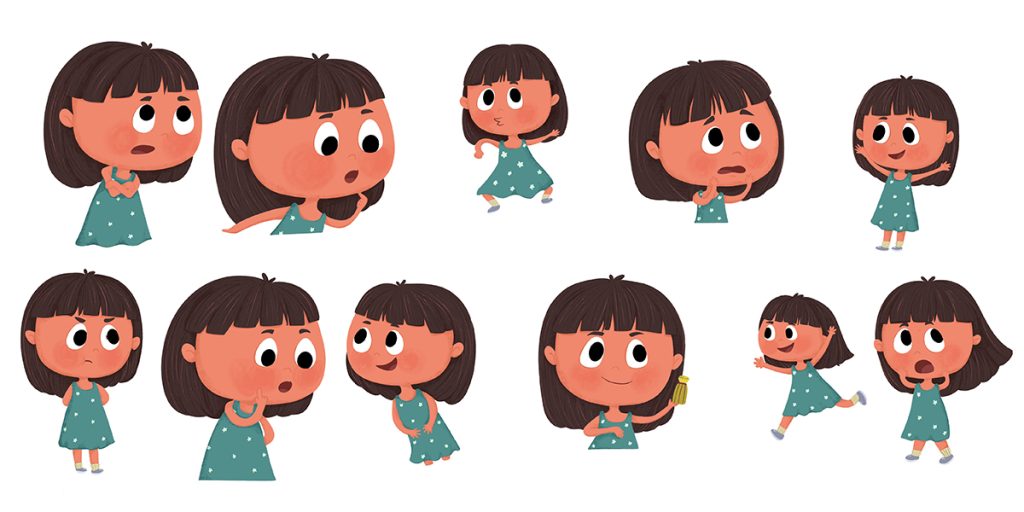
3. Character Actions and Emotions
Actions and expressions show what characters are doing and feeling. They bring life and emotional depth to the story.
4. Camera Angles and Movement Optional but Powerful
For video-based projects, adding notes for camera shots, movement, or transitions increases clarity.
5. Notes and Annotations
Short descriptions, sound references, or dialogue help others understand details that visuals alone may not show.
Tips to Bring Your Storyboard to Life
If your goal is to turn imagination into something real and compelling, these tips will help:
Start Simple
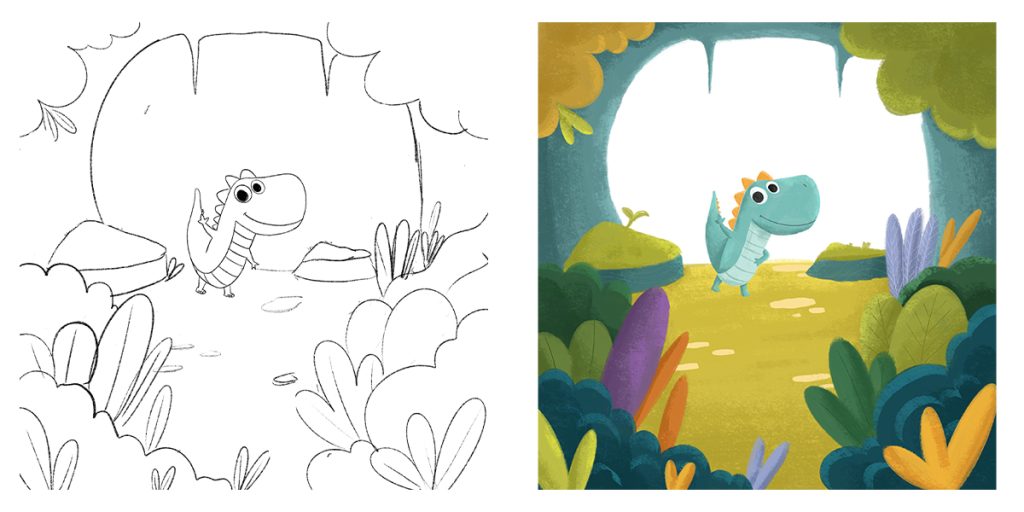
You don’t need artistic skills to start storyboarding. Begin with rough sketches. The goal is clarity, not perfection.
Focus on the Story First
Before drawing, think about the message or narrative. What journey do you want your audience to experience?
Think Visually
Use clear and expressive visuals so your audience can grasp the idea instantly, even without text.
Keep It Engaging
Vary panel sizes, perspectives, and pacing to keep the viewer engaged.
Review and Refine
Great storyboards are rarely perfect on the first attempt. Review, edit, and refine until the idea truly feels aligned with your imagination.
Also Read:From Sketch to Story: A Beginner’s Storyboarding Guide
How Storyboards Empower Creativity
Storyboards do more than organize your thoughts they unlock creativity. They give you permission to explore, experiment, and re-imagine ideas with freedom. Because drafts can be adjusted easily, you’re encouraged to think beyond the obvious, push boundaries, and shape ideas with confidence.
What begins as a rough sketch can evolve into a powerful film, a hit campaign, a bestselling children’s book, or a viral digital story. That transformation from imagination to reality is the magic of a storyboard.
Conclusion:
Your imagination has unlimited potential, but it needs a pathway to become something real. Storyboards act as that pathway. They transform thoughts into visuals, visuals into plans, and plans into impactful creations. At The Rainbow Stories, we use storyboards as the foundation for every meaningful story we create, helping ideas take shape before they reach the page.
Whether you are a student, a hobbyist, a professional, or someone simply full of ideas, storyboards empower you to express, create, and share your vision with the world. If you have a story in your mind, a message in your heart, or an idea you believe deserves life, start with a storyboard.
Frequently Ask Questions
What is a storyboard used for?
A storyboard is used to plan and visualize a story or project step by step before production begins. It helps map out scenes, actions, transitions, and flow so ideas are clearly defined before any filming, designing, or illustrating starts.
Who needs storyboard services?
Filmmakers, marketers, content creators, authors, educators, and businesses can all benefit from storyboard services. Anyone working on videos, animations, marketing campaigns, children’s books, apps, or presentations can use storyboards to organize ideas and communicate them clearly.
Do I need drawing skills to create a storyboard?
No, you do not need professional drawing skills to create a storyboard. Simple sketches, rough visuals, or stick figures are enough as long as they communicate the idea, sequence, and emotion of each scene clearly.
How do storyboards help in children’s book creation?
Storyboards help plan scenes, pacing, and emotions in a children’s book before illustrations begin. They allow authors and illustrators to visualize the story flow, balance text with images, and ensure the story remains engaging and easy to follow for young readers.
Why choose professional storyboard services instead of doing it myself?
Professional storyboard services provide structure, clarity, and visual consistency that can be difficult to achieve alone. They help refine ideas, improve storytelling, and identify issues early, saving time, reducing revisions, and ensuring a polished final result.