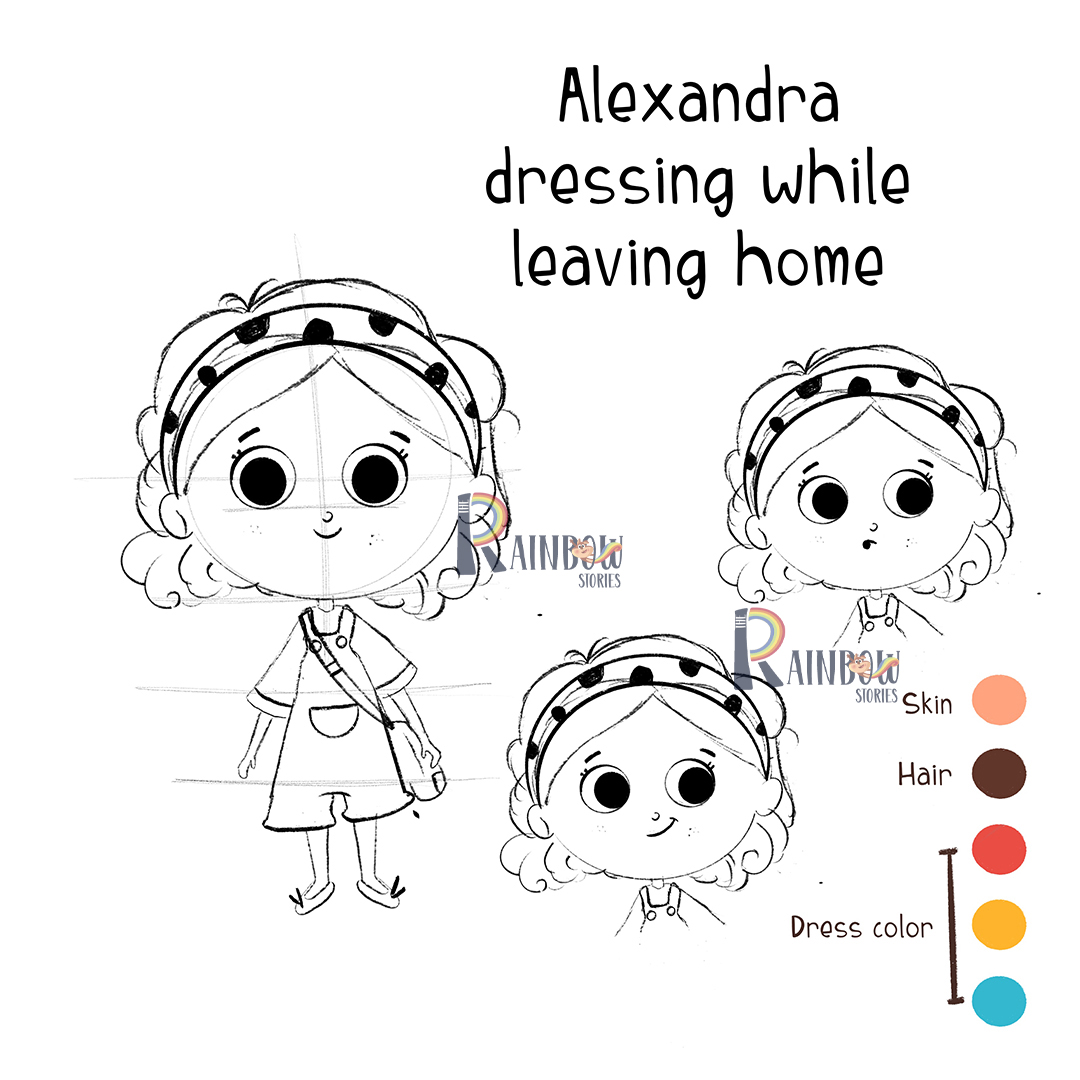
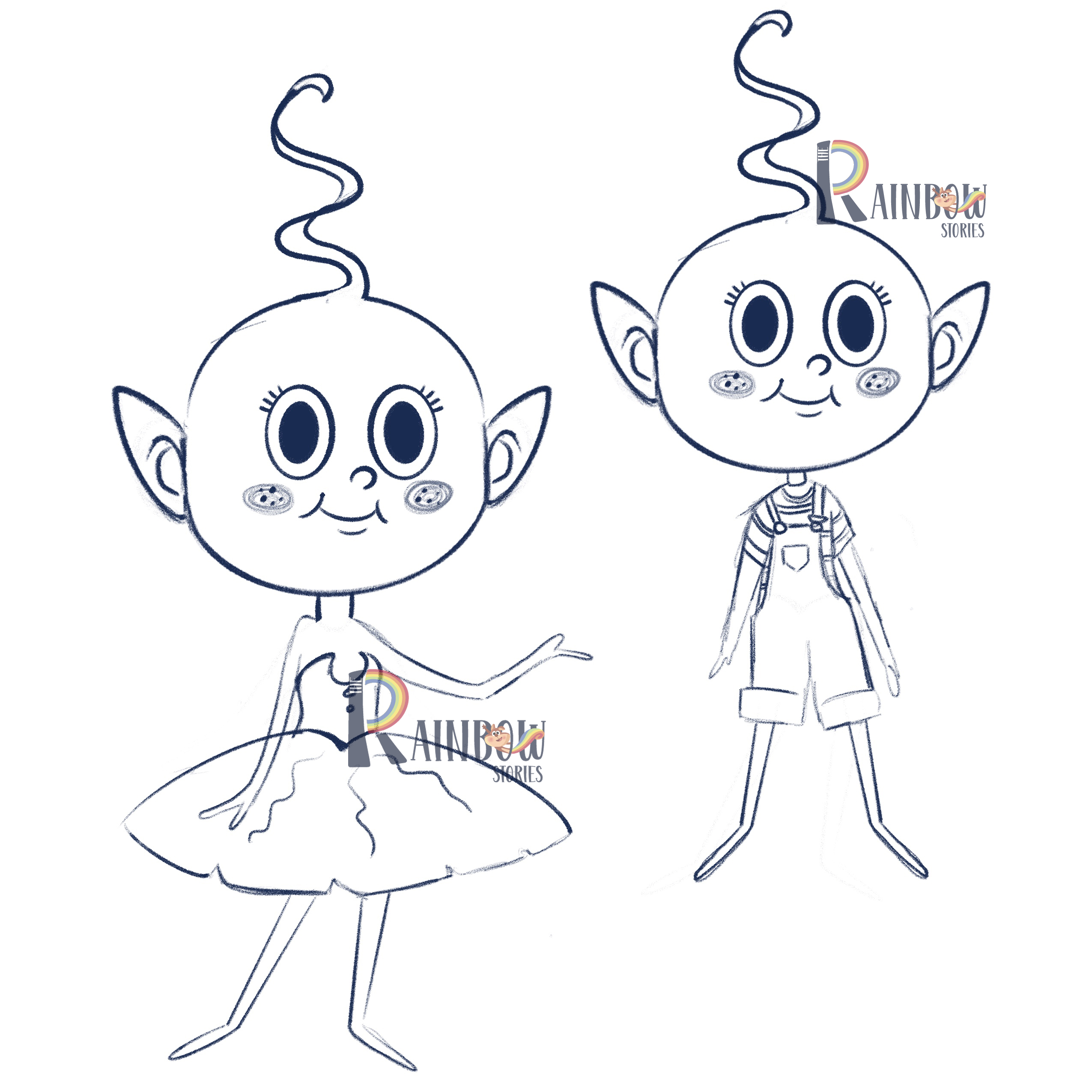
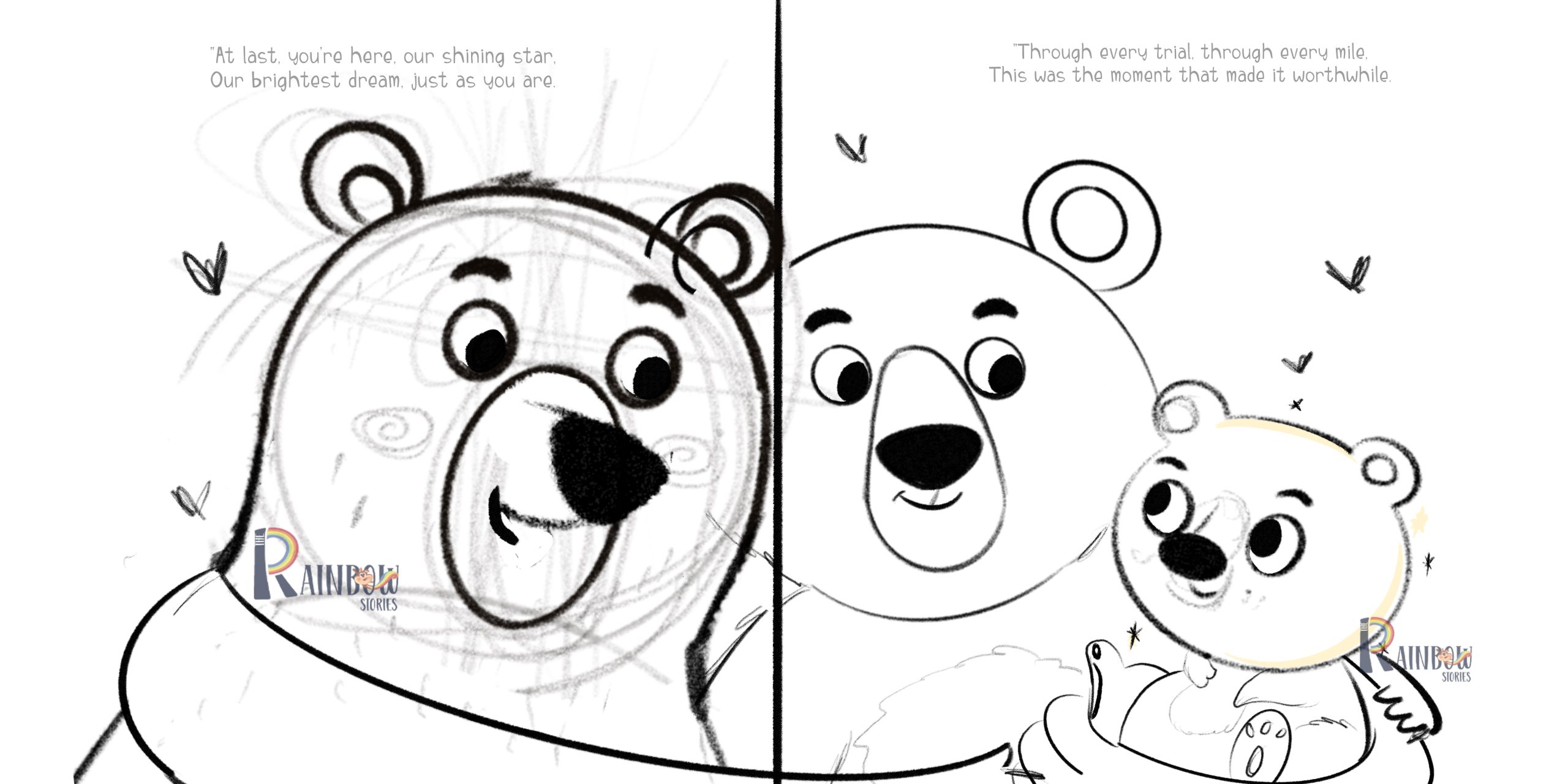
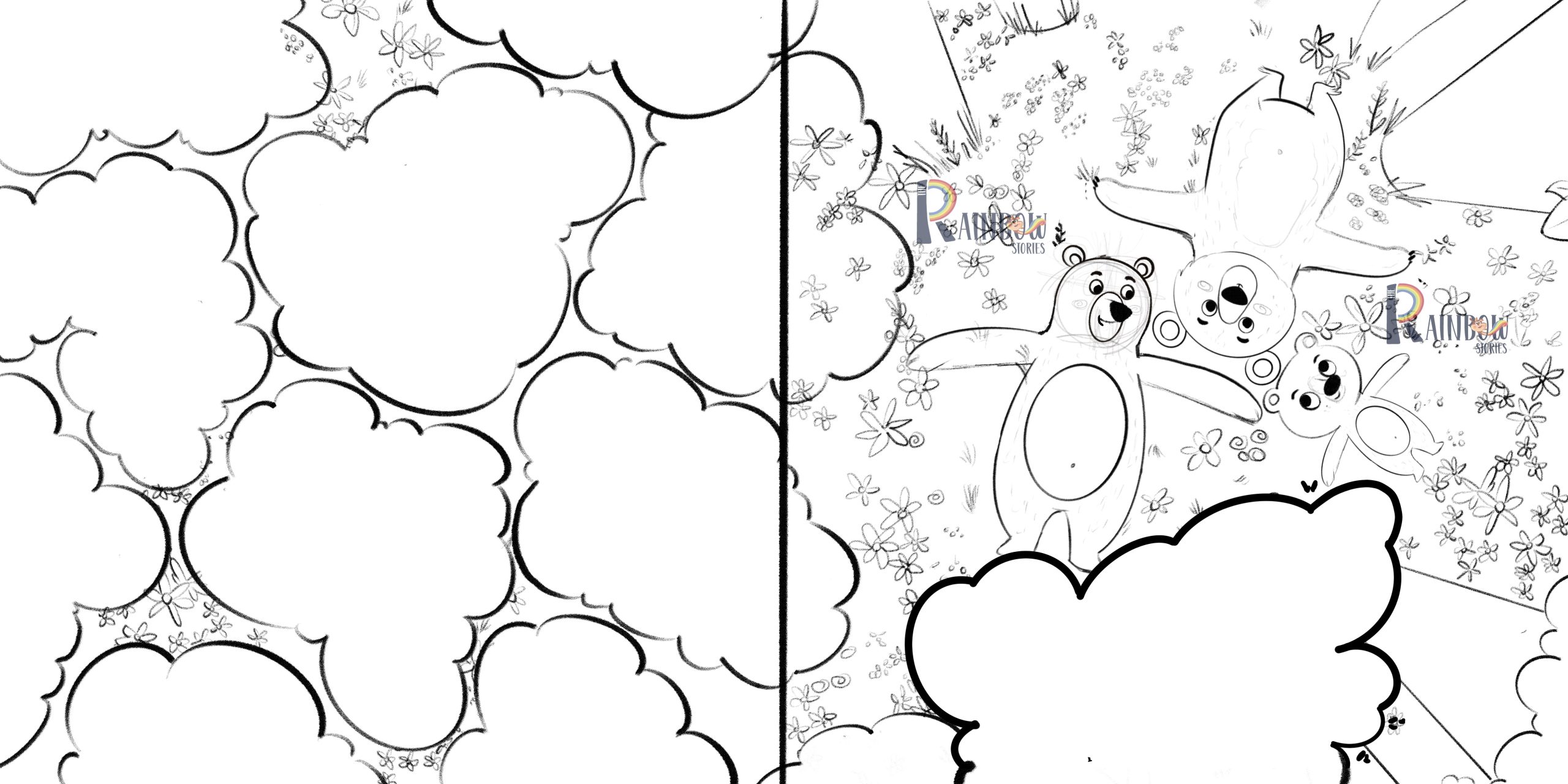
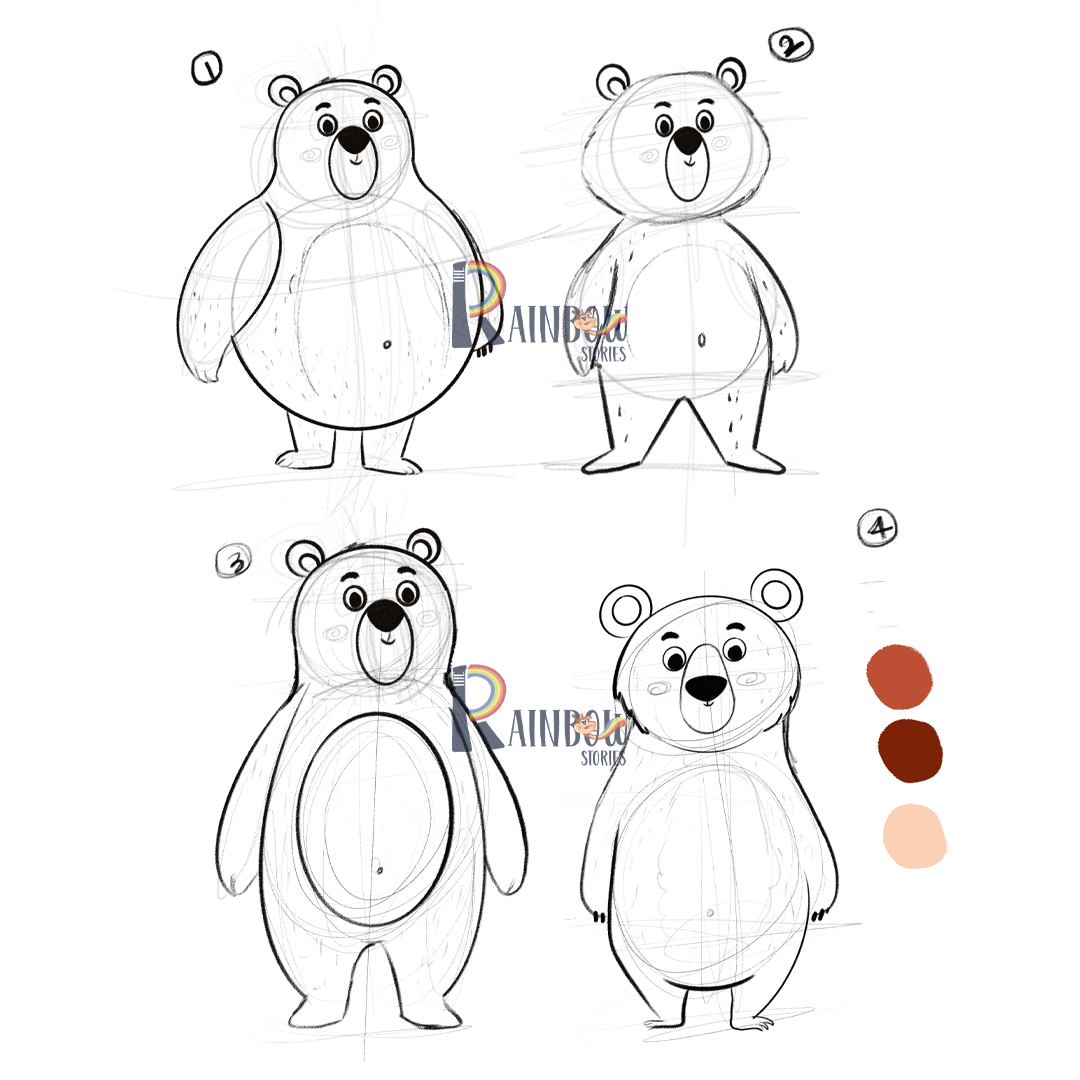
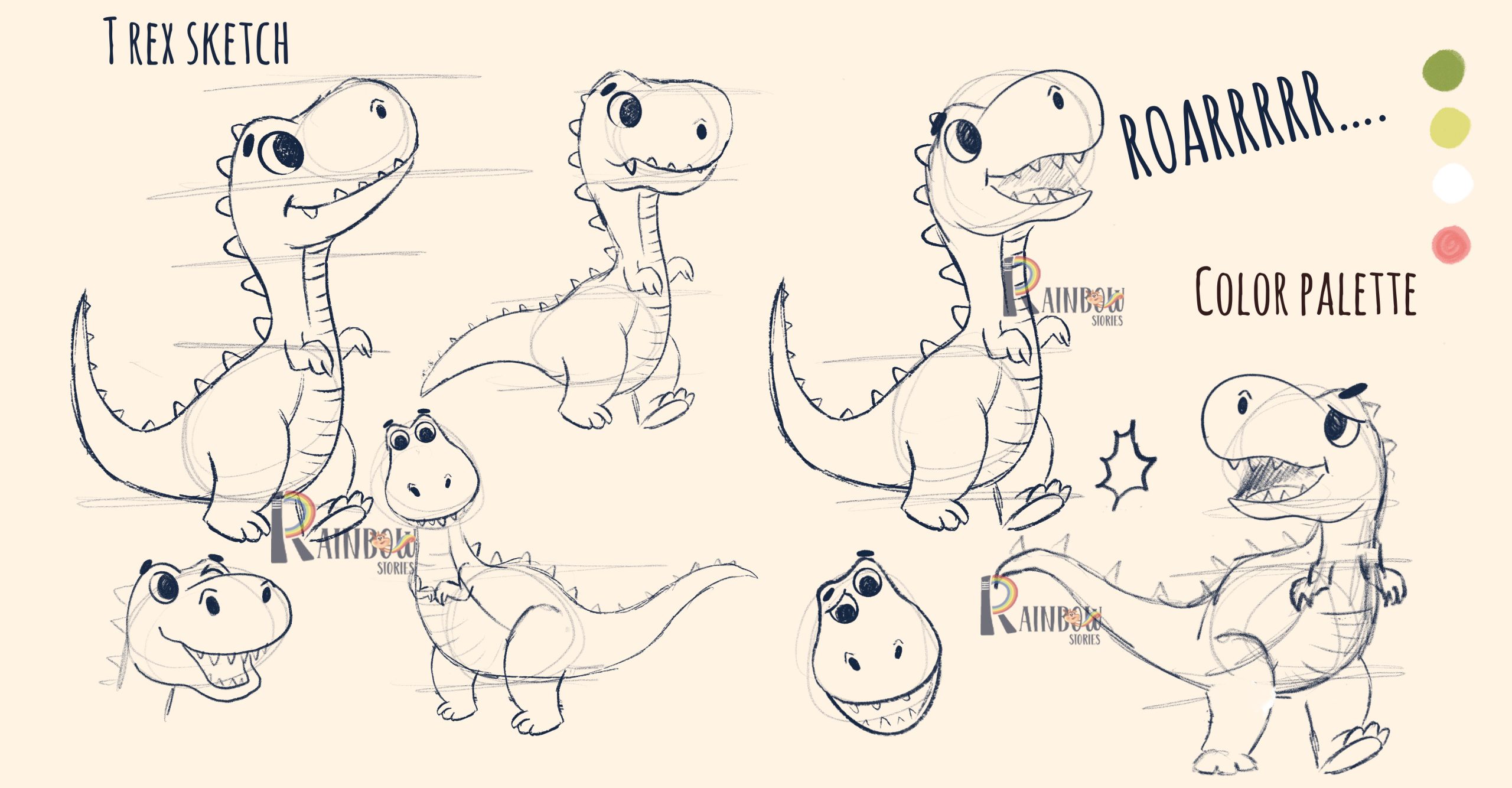
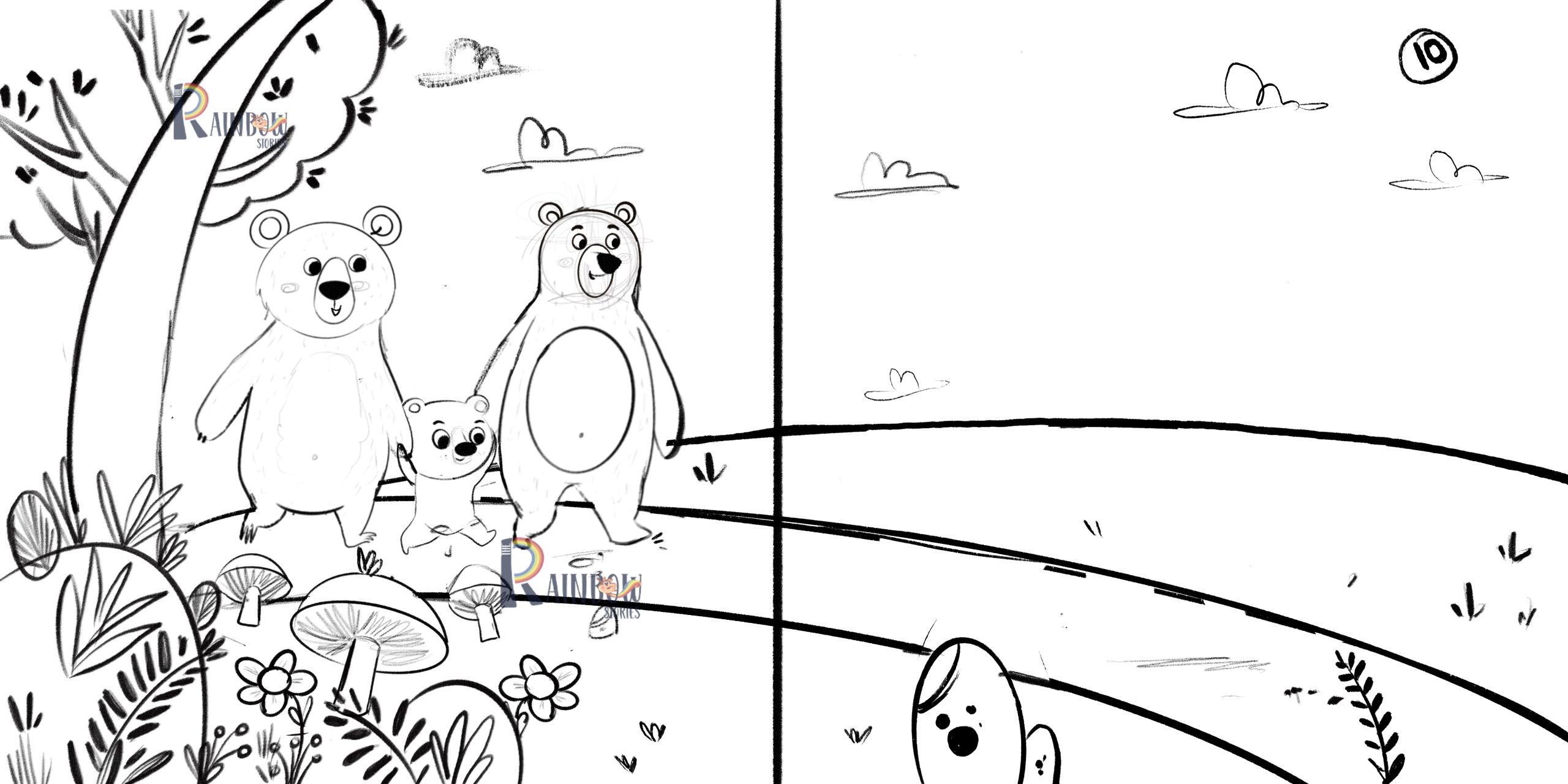
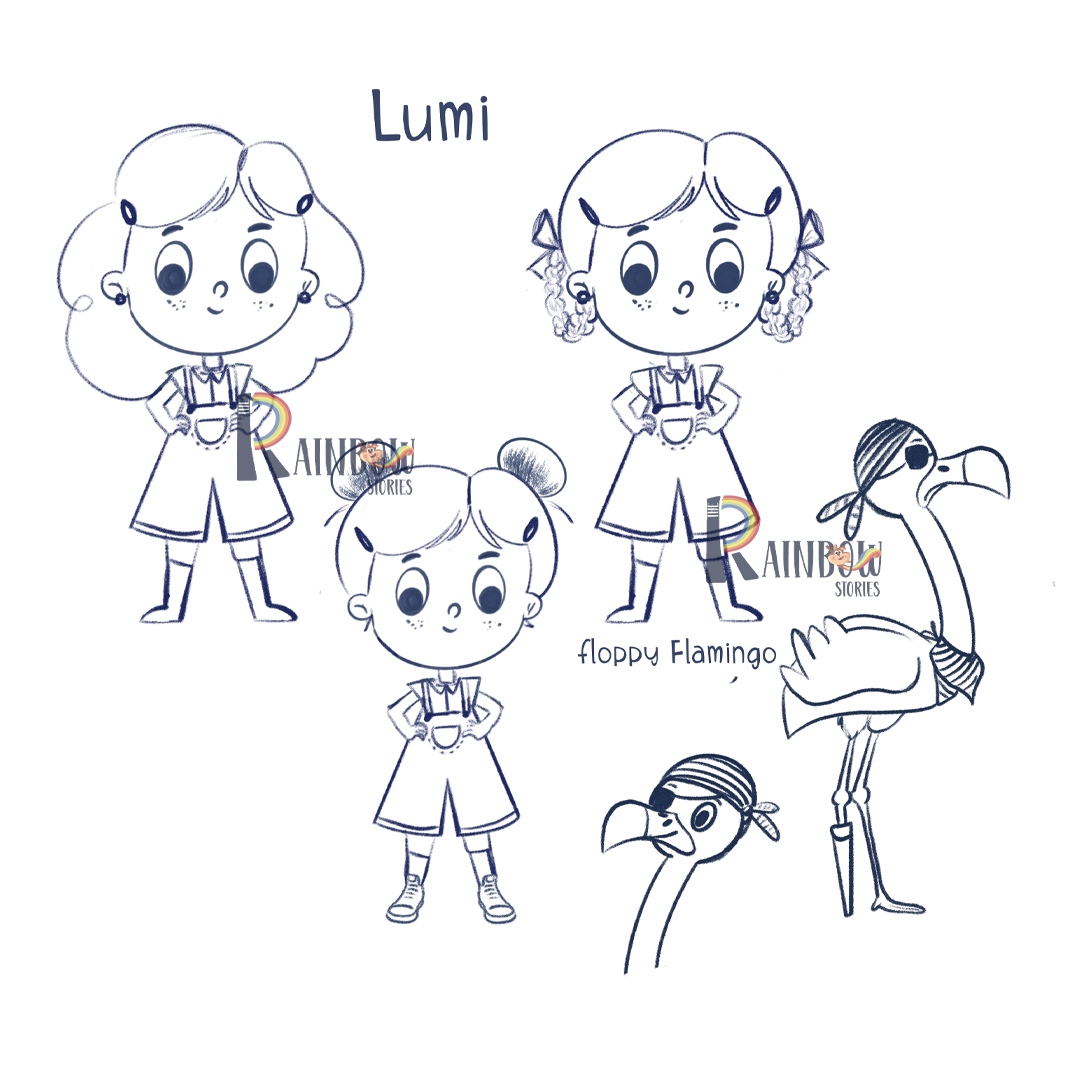
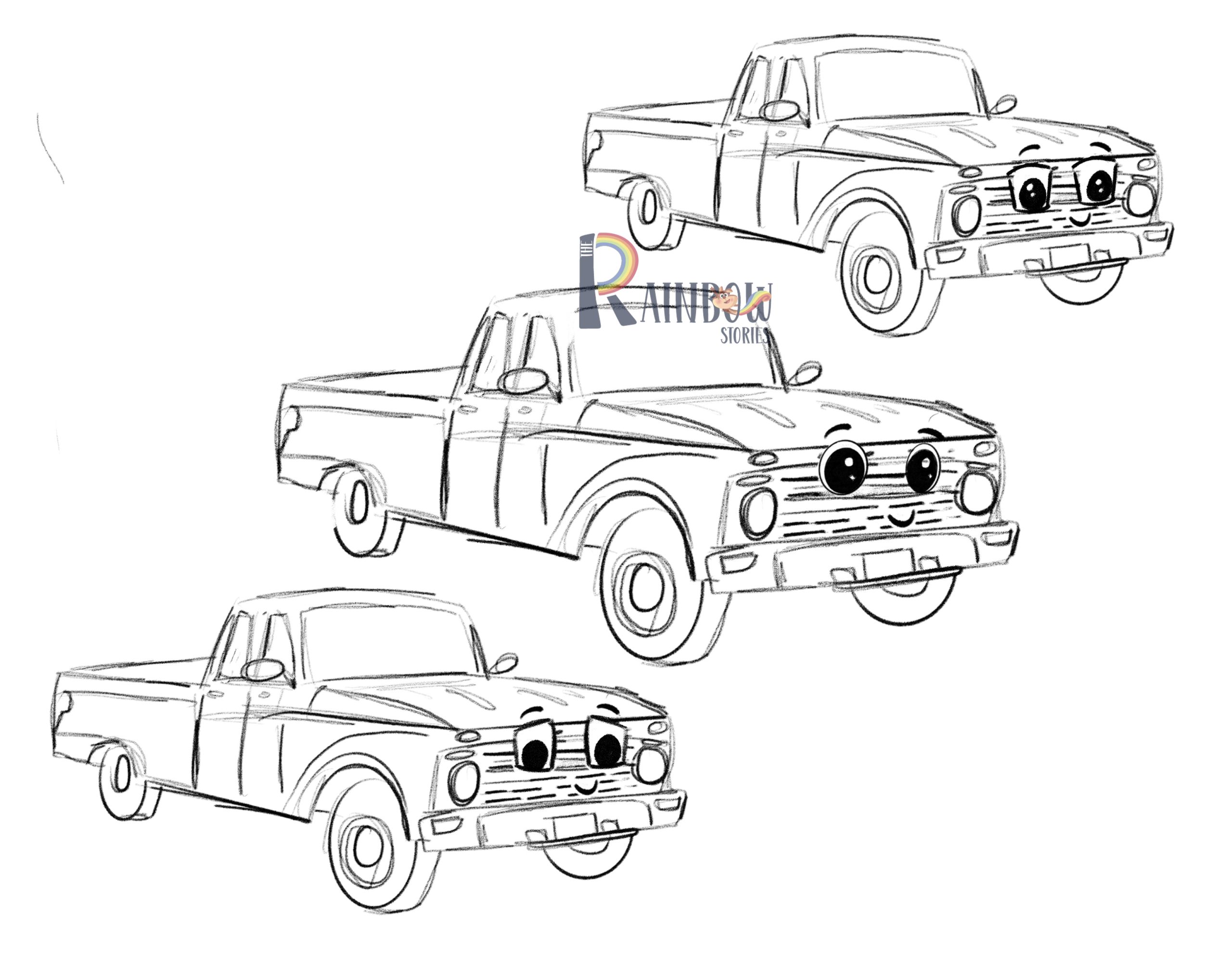
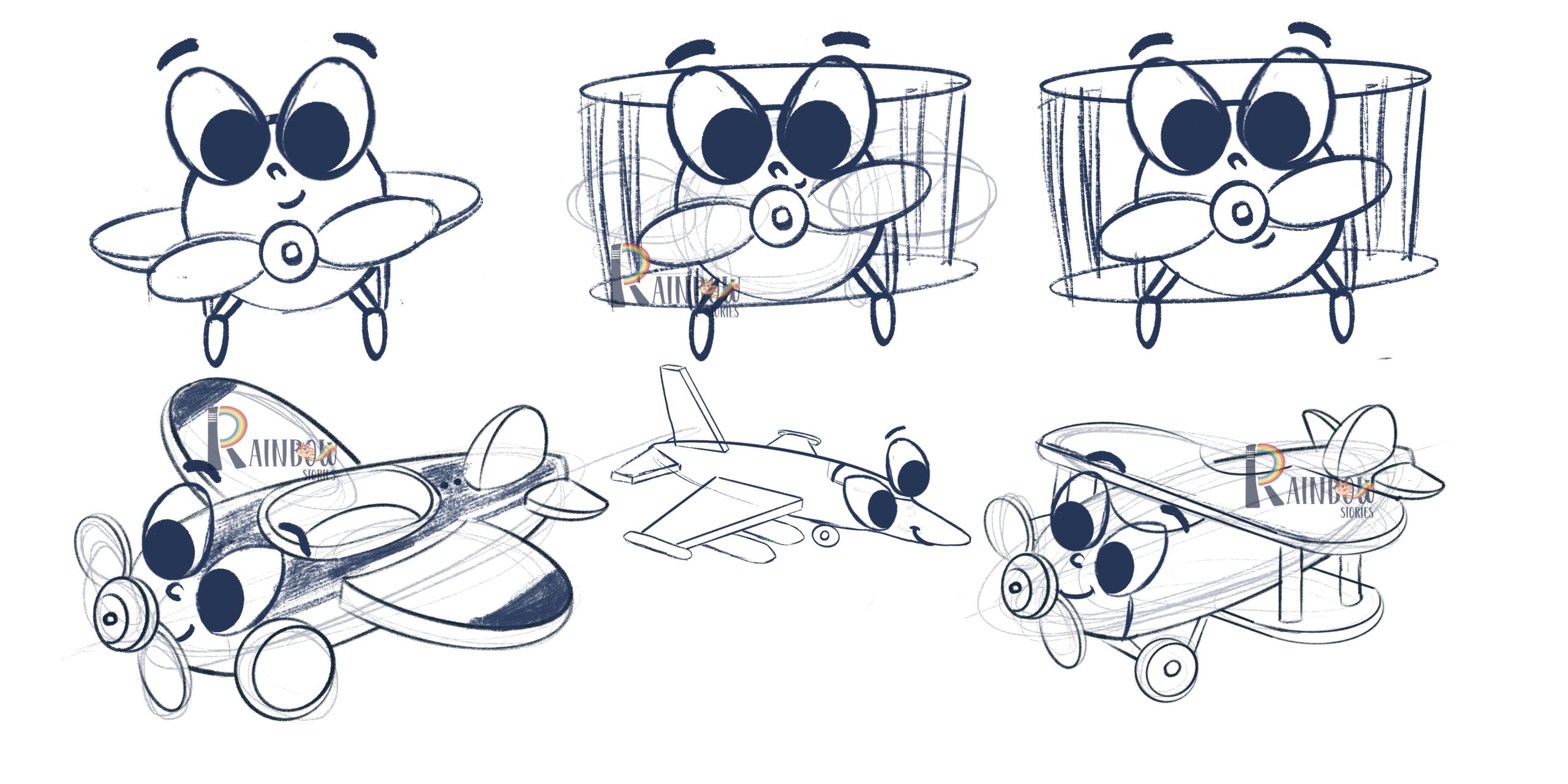
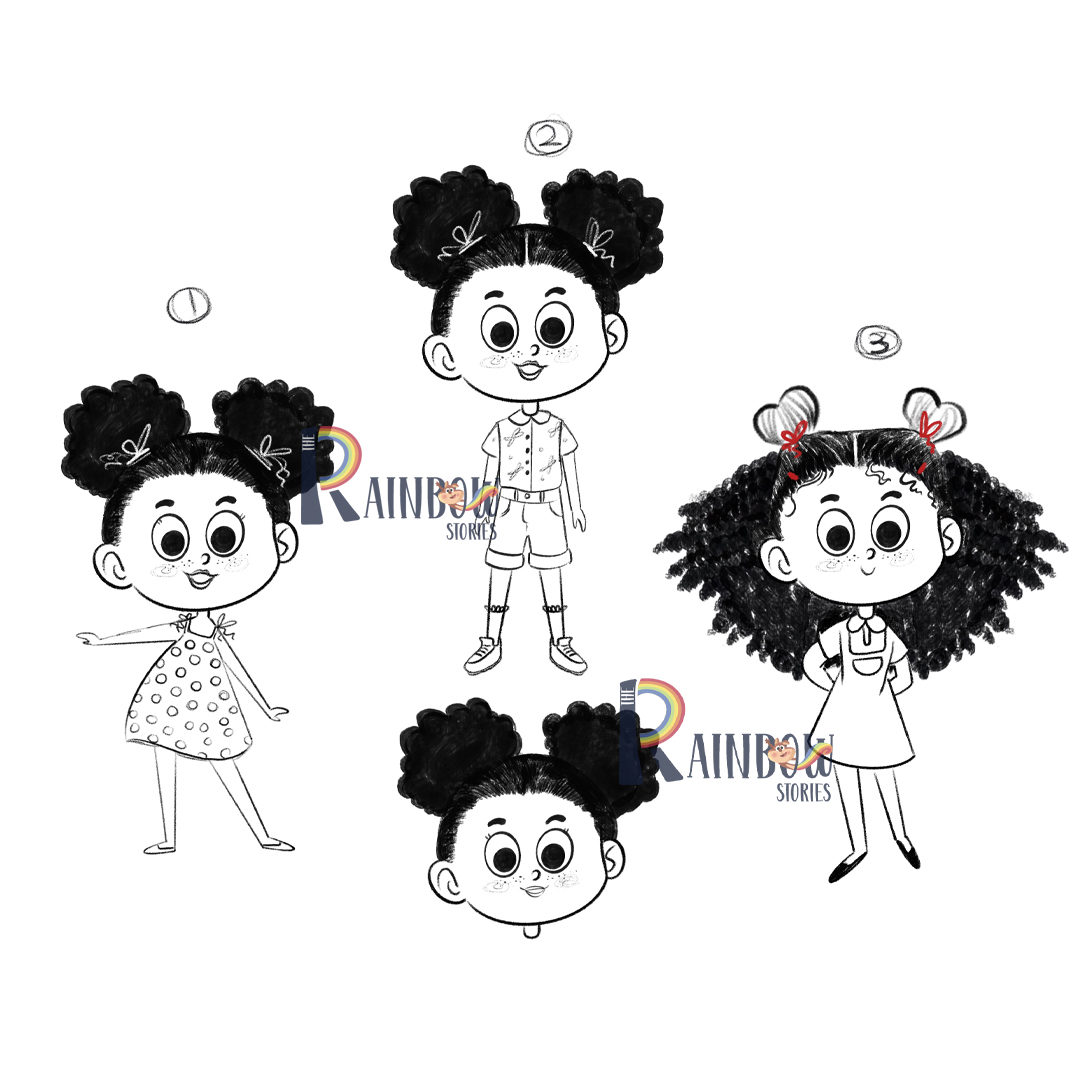
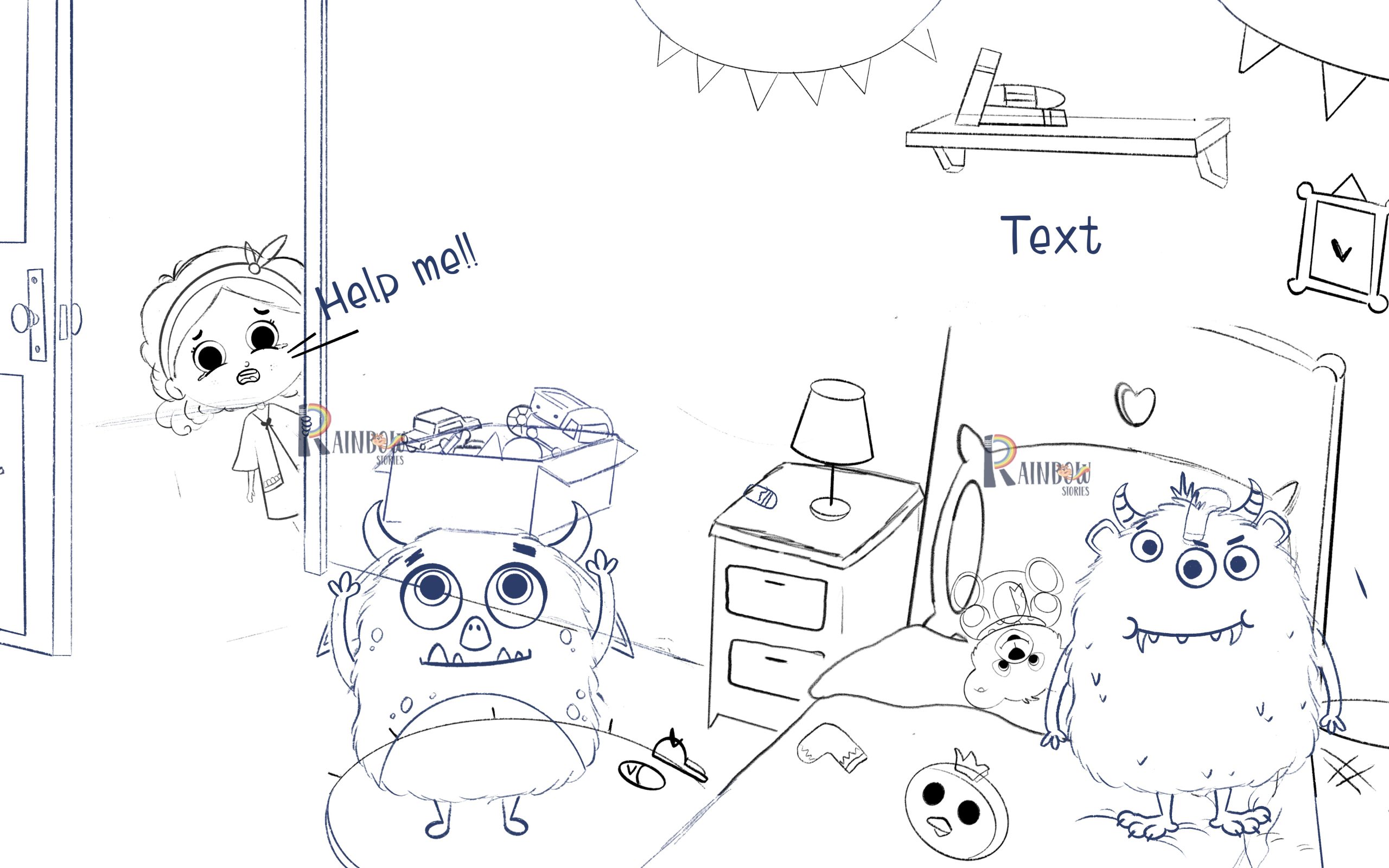
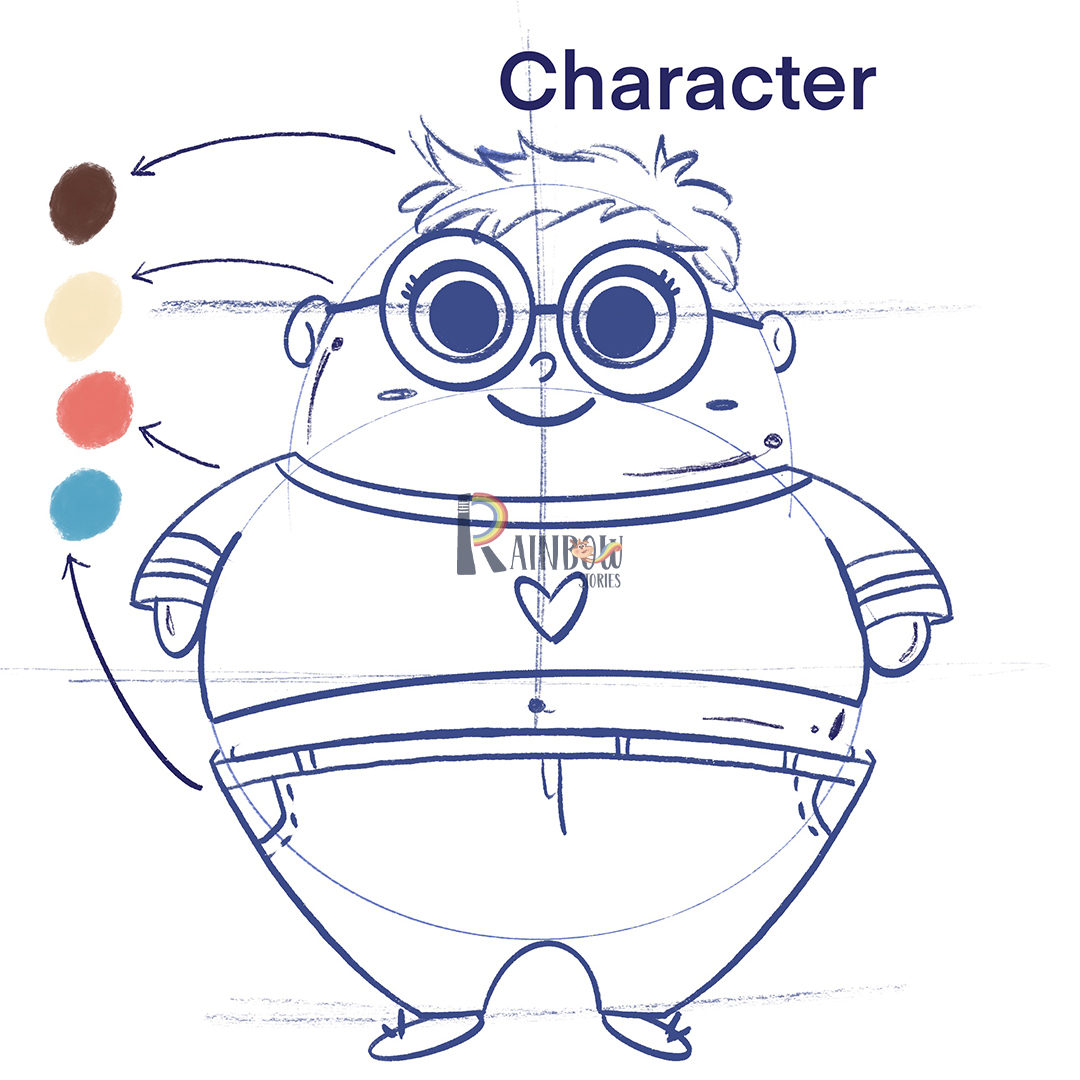
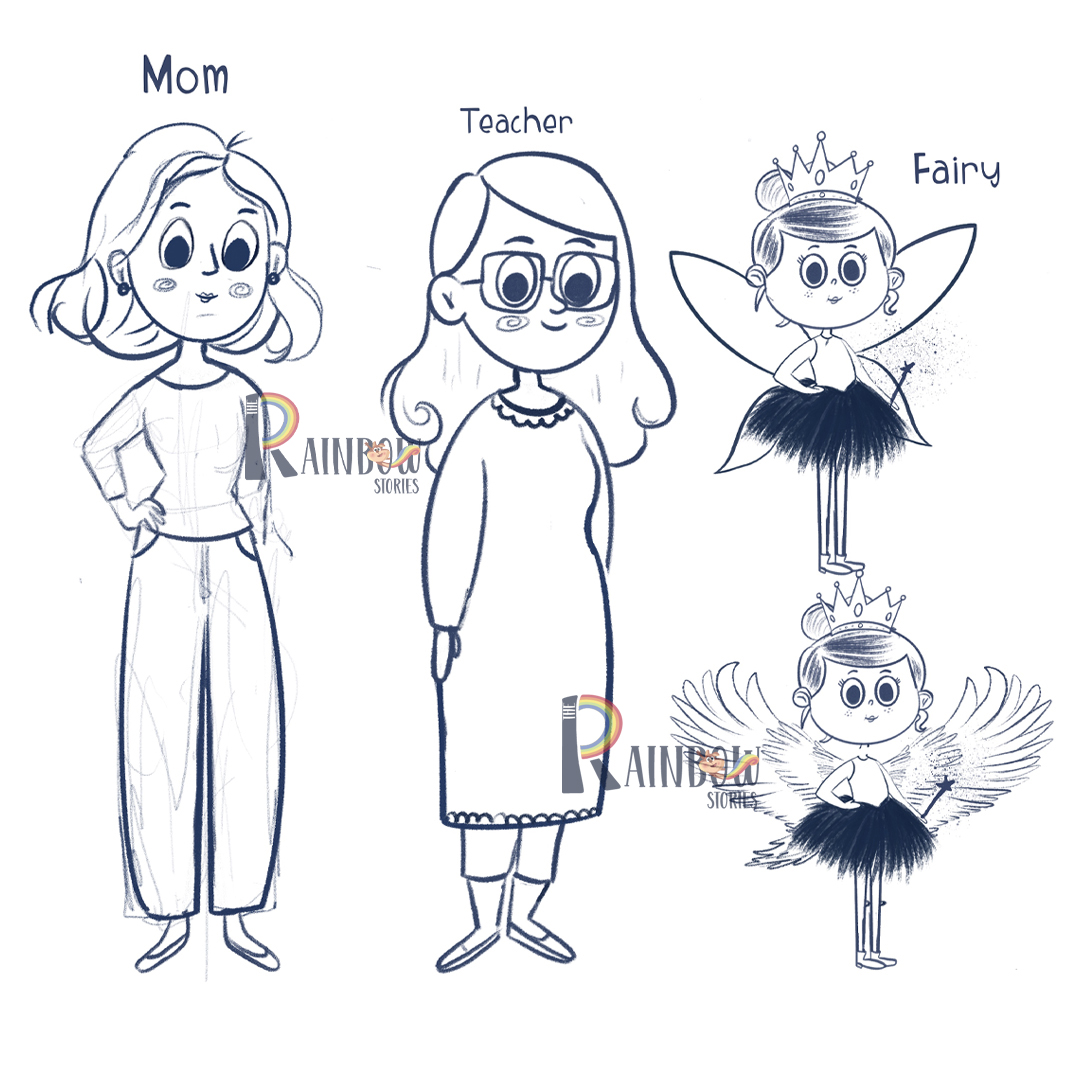
Before a single page is painted, the whole book gets sketched: every spread, in order, rough. You see where the page turns fall, which moments get a full spread and which get a corner, and whether the story actually paces the way it did in your head. Changing a rough sketch costs minutes. Changing a finished painting costs a week. Sage Sails The World was storyboarded this way before a page was painted. The case study puts the roughs beside the printed spreads.
A storyboard is the whole book sketched in order before anything is painted: every spread, rough, with the page turns and the pacing visible at a glance. A 32-page storyboard takes about three weeks. It is the stage where moving a scene costs nothing, which is why the roughs are signed off before a single page is inked.
| 1. Page plan | Every spread as a thumbnail, in order. You sign off where the page turns fall |
|---|---|
| 2. Rough panels | Composition, eyeline and scale for each spread. You sign off that the story reads |
| 3. Revised roughs | Your changes drawn in. You sign off the final layout |
| 4. Handover | Clean roughs, numbered against your manuscript, ready for interior illustration |
| Typical turnaround | About three weeks for 32 pages |
| Rounds included | Three to four, at this stage, which is where changes are cheap |
| Drawn by | Amna Zaki, Noor or Ayesha, by hand and never generated |
| Copyright | Transfers to you in full on final payment |
Drawn by hand, never generated. Amna Zaki holds Top Rated Plus status on Upwork with a 100% Job Success Score, and we reply to every enquiry within one business day.
Our Story Boarding Portfolio highlights the creative planning and visual storytelling expertise of The Rainbow Stories. Through our professional Story Boarding Services, we transform ideas and scripts into clear, engaging visual sequences. Each storyboard is carefully structured to define scenes, character actions, pacing, and flow, helping authors, illustrators, and publishers visualize the story before final illustrations. This process ensures strong narrative clarity, smooth transitions, and a well-organized foundation for successful children’s book projects.
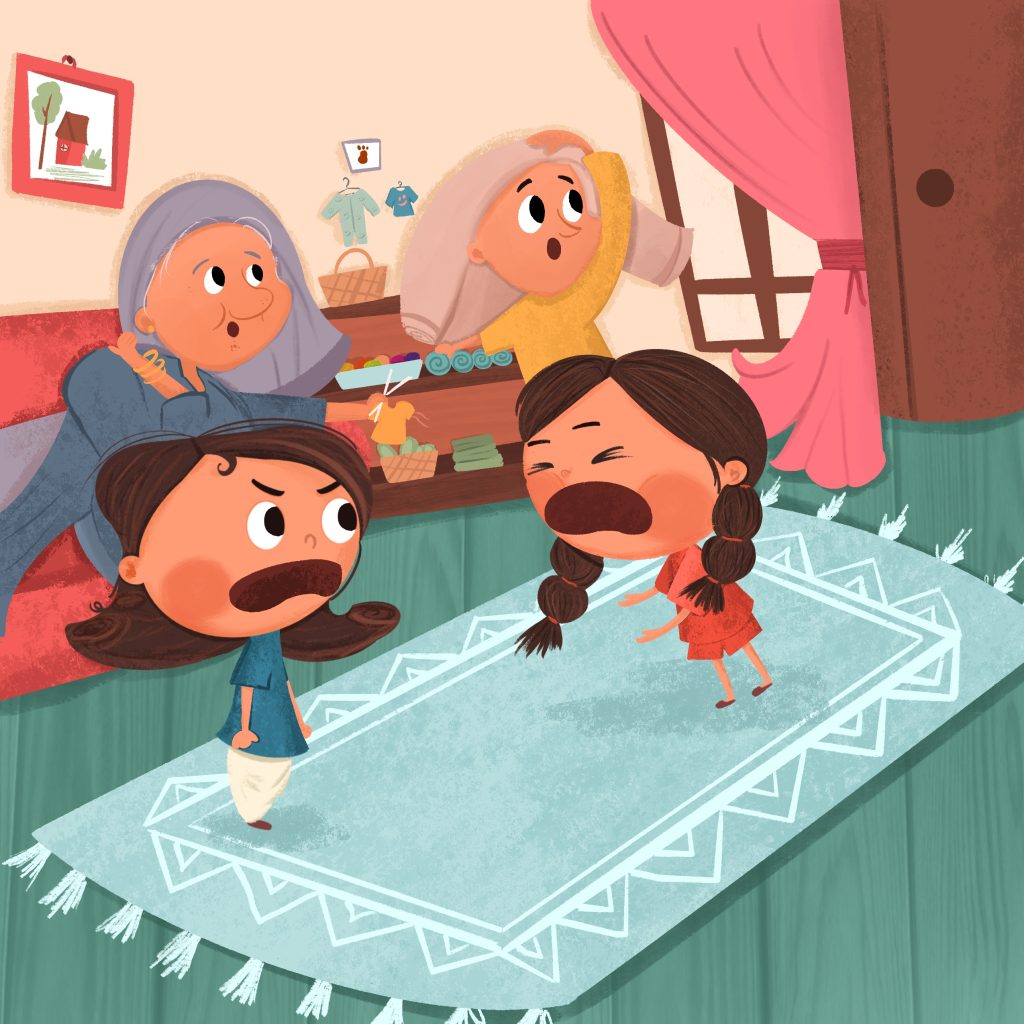
You send the manuscript. We come back with the whole book in rough: every spread, thumbnails or full-size depending on what you need, with page turns marked and text positions blocked in. You mark it up, we revise, and the approved storyboard becomes the plan the final artwork follows.
Most authors commission storyboarding as the first stage of a full book. It can also be done on its own, if you have an illustrator lined up and want the structure settled first. The two stages either side of it are character design, which settles the cast first, and book cover design, which usually comes last.
Self-publishing authors with a finished manuscript and no clear sense of how it breaks across pages. Independent publishers planning a series. Authors who have been quoted for illustration and want the page count settled before committing.
Send us the manuscript and we will come back with what the board would involve, what it costs and how long it takes, within one business day.
Often not. It earns its place when the page count is unsettled, when the story is longer than it looks, or when you want the pacing checked before paying for finished art.
Yes. It is yours. Some authors commission the storyboard from us and the artwork elsewhere. That is a reasonable thing to do.
Rough and in black and white, unless you need it presentable for a publisher or a crowdfunding page.
Three to four rounds at the rough stage, included.
About three weeks for a 32-page book.
A storyboard is the whole book drawn small and rough, before anything is drawn properly. What you get back:
A 32-page storyboard takes about three weeks, including the time you spend reviewing it.
Storyboarding sits in the middle of the process; the full sequence from manuscript to print files explains the stages around it, and a worked example of the nine stages follows one book through them.
Every problem a picture book has is cheaper to fix at this stage. A spread that needs two pages instead of one, a scene that repeats the one before it, a sentence with nothing to show: all of it is visible in rough sketches and all of it is expensive once the artwork is painted.
Authors who skip the storyboard usually meet these problems halfway through final artwork, when the choice is paying to redraw or publishing a book that does not quite work.
These are storyboarding services for picture books and early readers: printed pages, page turns, text and image on the same spread. We do not take film, advertising or animation storyboards, which are a different craft with different conventions.
If you have a manuscript and want to see it laid out before committing to final artwork, send it over and we will come back within one business day with what it would take.
Tell us the page count, the characters and your deadline. We will send back a quote and a timeline within 24 hours.
Start your briefTakes about three minutes. No obligation.
Contact Us