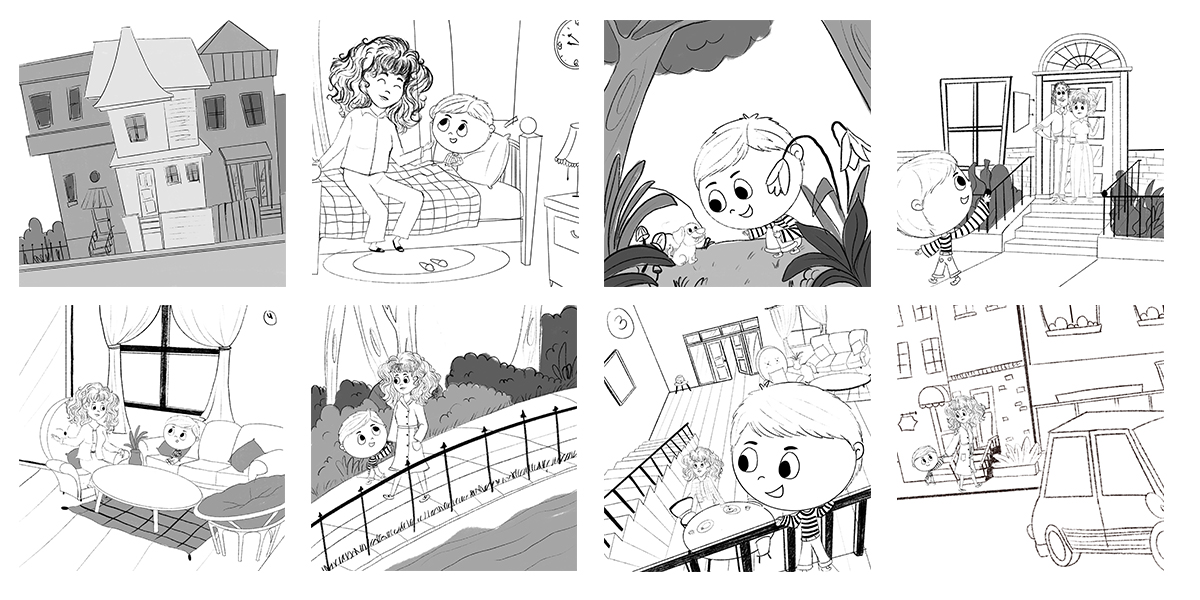
You don’t need to be an artist to tell a great story.
If you’ve ever dreamed of bringing your story to life whether it’s a short film, children’s book, comic, or animation, storyboarding is the perfect place to start.
The best part? You don’t have to be good at drawing to create a storyboard that works. With the right techniques, even stick figures and rough sketches can turn your ideas into a visual adventure.
This guide shares easy storyboarding tips for beginners who can’t draw, helping you visualize stories, plan scenes, and build confidence as a creator.
What Is a Storyboard?
A storyboard is a visual plan that shows your story frame by frame. Each box or panel represents a key moment, an action, a line of dialogue, or a camera angle.
Think of it as a comic-strip version of your story. Instead of writing “the hero runs through the forest,” you draw a small sketch of it. It doesn’t have to look perfect it just needs to communicate what’s happening.
Professionals in filmmaking, advertising, animation, and even children’s book illustration use storyboards to:
- Organize ideas visually
- Plan timing and sequence
- Communicate with team members
- Save time and resources before production
And yes many of them started as people who couldn’t draw well either.
Also Read : Turn Story Ideas Into Visual Adventures with Boards
Why You Don’t Need to Be an Artist to Storyboard
The purpose of a storyboard is not to impress people with your drawing skills; it’s to clarify your vision.
Here’s what really matters:
The flow of your story
The clarity of your actions and transitions
The emotions shown in each scene
A well-structured storyboard can be made from stick figures, arrows, and basic shapes as long as the meaning is clear.
In fact, many top filmmakers (like Alfred Hitchcock and Christopher Nolan) began with rough sketches that only they could understand at first. What mattered was how the story moved, not how polished the drawing looked.
Also Read : Storyboarding for Kids’ Books and Digital Stories
Step-by-Step: How to Create a Storyboard Without Drawing Skills
Let’s walk through the process of creating a simple, clear storyboard even if your art skills are minimal.
Step 1: Start with a Simple Script or Idea
Before you draw anything, outline your story.
Write down:
- What happens in each scene
- Who is in it
- What emotions or actions take place
Example:
- A little girl finds a lost puppy.
- She hides it in her backpack.
- The puppy escapes at school.
- The teacher helps her reunite with the owner.
This short list becomes your scene roadmap. Each point will turn into a visual frame later.
Also Read : Tell a Beautiful Story in 8 Simple Storyboard Frames
Step 2: Use Basic Shapes for Characters
Can’t draw faces or bodies? No problem.
Use simple shapes:
- Circles for heads
- Rectangles for bodies
- Lines for arms and legs
Stick figures are absolutely fine! The key is to keep them consistent throughout your frames. You can also label characters with their initials (like “L” for Lily, “P” for Puppy) to avoid confusion.
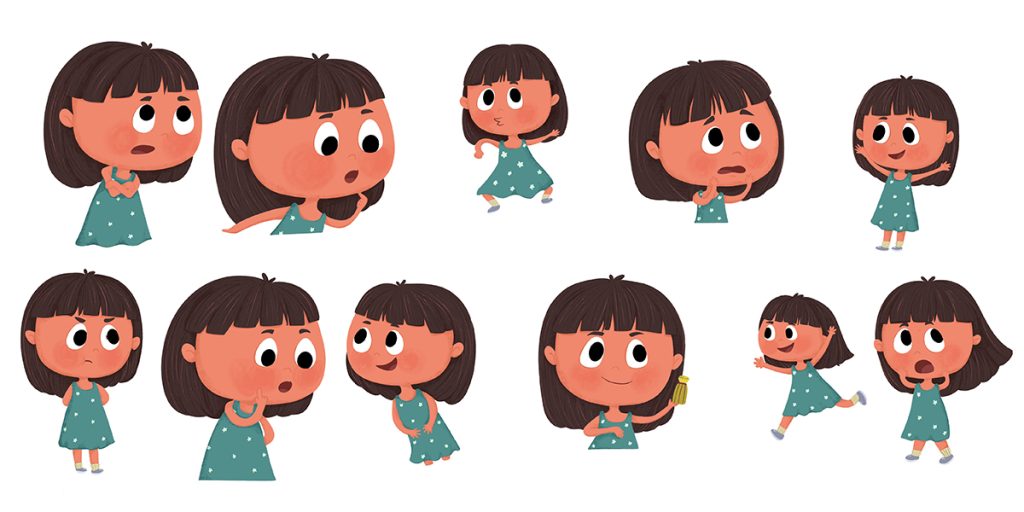
If you want to show emotions, use basic expressions:
- Smile for happiness
- Tears for sadness
- Angled eyebrows for anger
- Big open mouth for surprise
Even a few lines can tell a lot about how your characters feel.
Also Read : Turn Your Imagination Into Reality with Storyboards
Step 3: Use Arrows to Show Movement
To make your story dynamic, use arrows to indicate action:
- Arrows pointing right → mean forward motion
- Curved arrows ↩ show turning
- Wavy arrows show wind or motion lines
- Zigzag arrows suggest fast movement or energy
You don’t need to animate anything arrows alone can show how a character or camera moves between shots.
Step 4: Focus on Composition, Not Perfection
When drawing each frame, ask yourself:
- Where should the viewer’s eyes go first?
- What’s the most important object or person?
- How can I keep the focus clear?
You can use simple shapes to divide attention:
- Big rectangle for a close-up
- Wide rectangle for a landscape shot
- Dotted lines to show the edge of the scene
Composition is about guiding attention not about artistic beauty.
Step 5: Add Text Notes for Clarity
One of the easiest ways to make your storyboard understandable is by adding notes.
Under each frame, write short descriptions like:
- “Close-up of Lily’s face”
- “Dog jumps out of bag”
- “Bell rings teacher enters”
You can also include sound cues or camera directions:
- “Zoom in”
- “Music starts”
- “Fade out to black”
This combination of sketch + notes creates a clear, professional storyboard even without detailed art.
Step 6: Use Free Digital Tools
If you don’t want to draw by hand, try storyboarding software or templates. Some great options include:
- Storyboarder (free) – Simple drag-and-drop interface
- Canva or Google Slides – Use shapes and text boxes
- Boords or StudioBinder – Online storyboard tools with collaboration features
These platforms let you upload photos, icons, or stick-figure images no drawing needed. You can move, resize, and rearrange them to match your story sequence.
Step 7: Keep It Consistent
- The golden rule of storyboarding is consistency over complexity.
- Your boards don’t need to be artistic; they just need to look uniform.
- Use the same character symbols, same text style, and similar panel sizes.
When your visuals look consistent, your story feels professional and easy to follow.
Also Read : Pro Storyboarding Tips from Pixar and Disney Artists
Tips to Make Your Storyboard Stand Out (Even Without Art Skills)
Here are some smart tricks professionals use to elevate their simple storyboards:
1. Use Color Strategically
Add basic color codes to highlight emotions or themes:
- Blue for calm or sadness
- Yellow for happiness or energy
- Red for tension or danger
You can shade lightly or use colored markers it’s about mood, not detail.
2. Use References and Photos
If you can’t draw a background, find an image online that matches your vision.
Paste or print it inside the frame and sketch your characters over it.
This technique, called photo-boarding, is used by advertising agencies and film studios for realistic planning.
- Add Timing or Dialogue
Under each frame, include rough timing (e.g., “3 seconds”) or lines of dialogue.
This helps visualize how long scenes will last and when key moments occur.
4. Focus on Emotion
Even with stick figures, you can capture emotion.
Use exaggerated poses: bent knees, raised arms, tilted heads these make the character feel alive.
Emotion is what the audience remembers, not perfect anatomy.
5. Use Storyboard Templates
You can download free storyboard sheets with empty boxes and description areas.
This makes layout easy and keeps your project organized.
Try searching online for “free storyboard template PDF” or create your own in Word or Canva.
Common Mistakes Beginners Should Avoid
When you’re starting out, it’s easy to overthink or get stuck. Here’s what to watch out for:
- Trying to make it perfect — Rough drafts are fine. Storyboards evolve.
- Skipping planning — Always start with a story outline.
- Crowding frames — Keep each box focused on one idea.
- Ignoring flow — Make sure one scene connects logically to the next.
- Neglecting emotion — Even simple drawings can show feelings with body language.
Remember, clarity beats complexity every time.
Also Read : Why Storyboarding Matters for Writers and Artists
Why Storyboarding Is Worth It Even for Non-Artists
Storyboarding teaches you to think visually, not just narratively.
It helps you:
- Improve your storytelling rhythm
- Understand pacing and perspective
- Communicate ideas to others clearly
- Feel more confident bringing imagination to life
You’ll notice that your storytelling becomes sharper, your ideas clearer, and your projects more organized all without needing artistic talent.
Also Read : From Sketch to Story: A Beginner’s Storyboarding Guide
Conclusion: Your Story Deserves to Be Seen
Being unable to draw should never stop you from creating.
With these easy storyboarding tips for beginners, anyone writer, teacher, filmmaker, or dreamer can visualize a story and share it with the world.
All you need is a pencil, paper, and passion. Use shapes, arrows, and simple sketches to map your ideas. Focus on flow, emotion, and storytelling not perfection.
Remember, even the most breathtaking films and books began with humble scribbles. So don’t wait for your art skills to improve, start your storyboard today and turn your imagination into reality.