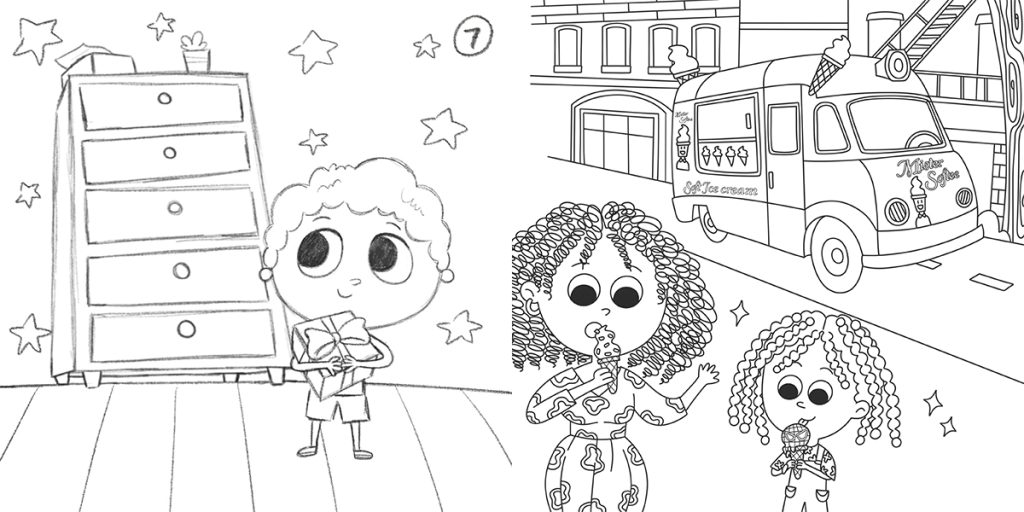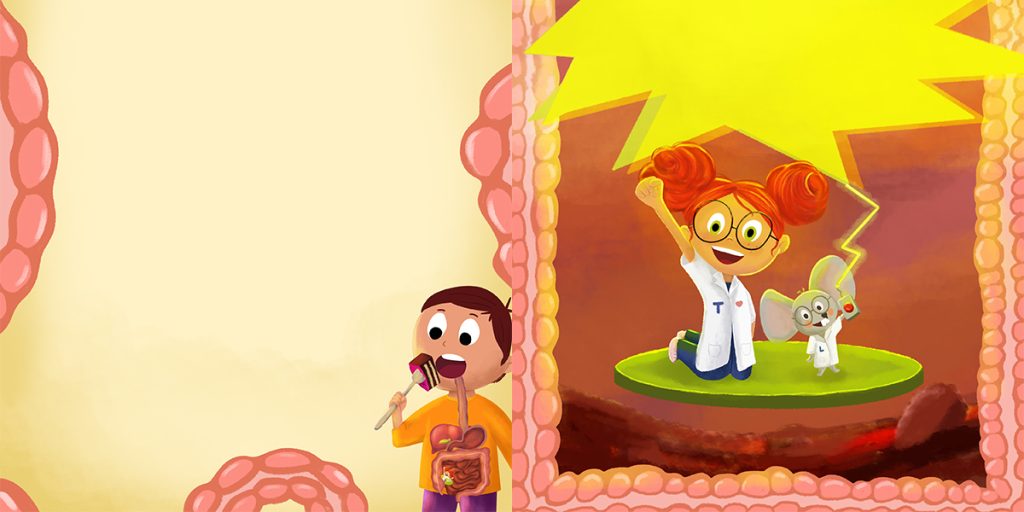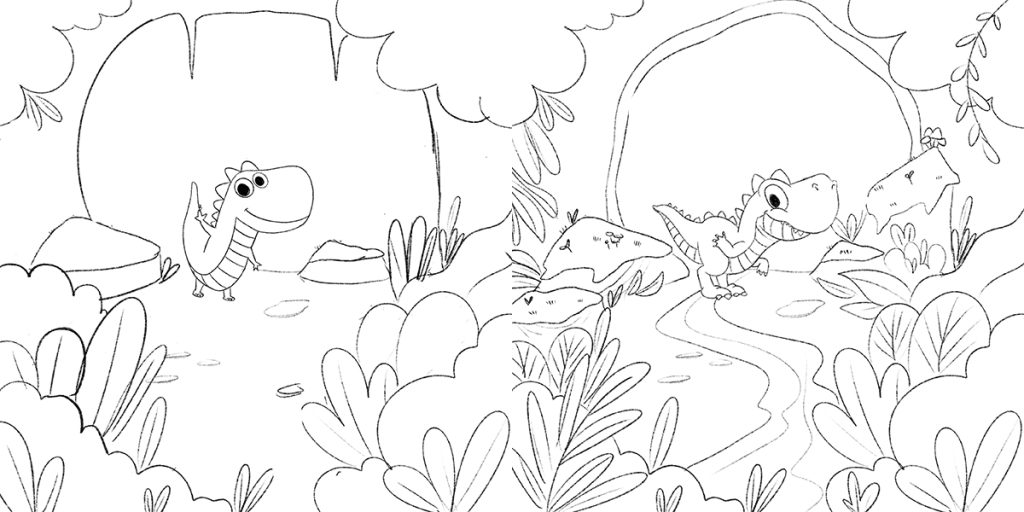
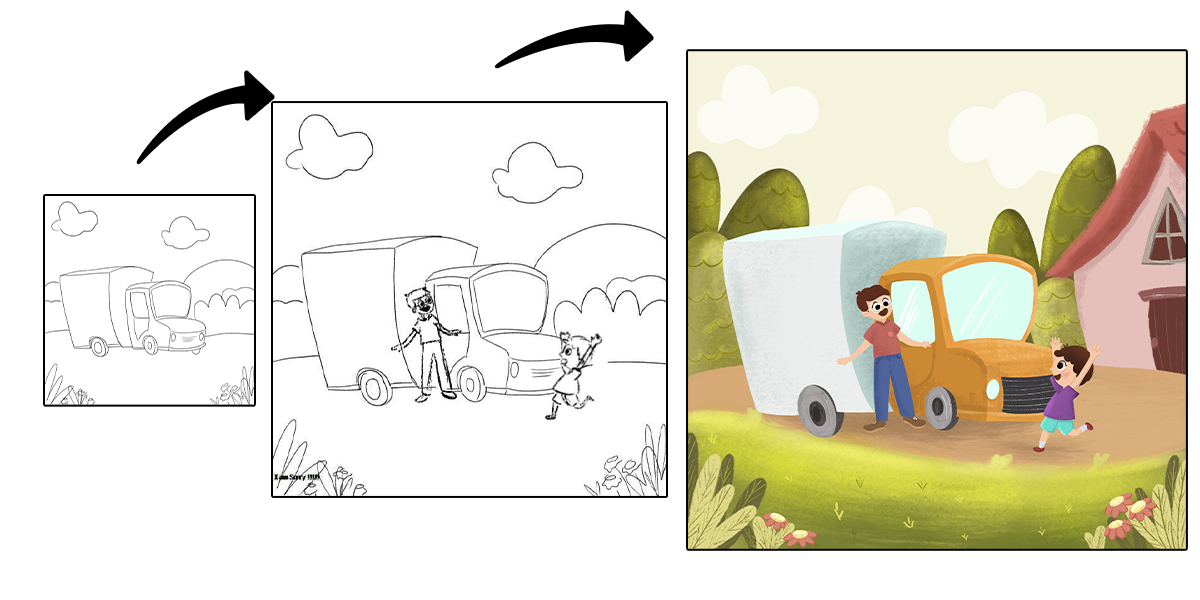
Color is one of the most powerful storytelling tools in children’s books. Long before young readers can fully understand words, they respond emotionally to visuals especially color. Thoughtfully chosen color themes shape a child’s mood, guide attention across pages, and help characters become instantly recognizable. A well-designed color palette doesn’t just decorate illustrations; it supports learning, enhances emotional connection, and makes a story memorable.
Many beginner authors and illustrators believe using as many bright colors as possible will make a book more appealing. In reality, professional children’s books stand out because they use color intentionally, sticking to limited, consistent palettes that feel cohesive and visually calming. When the colors are balanced, young readers can focus on understanding characters, following story flow, and enjoying the emotional journey without becoming overwhelmed.
Whether you are creating a picture book for toddlers, an adventure story for early readers, or a bedtime tale filled with gentle magic, selecting the right color theme is essential. Color choices should match the tone of your story, the age of your audience, and the emotions you want to convey. From bold primary schemes that energize preschoolers to soft pastels that soothe bedtime readers, every theme plays a role in shaping how children experience your book.
In this guide, you’ll explore the most effective color themes that make children’s books stand out, learn how to match palettes to story genres and age groups, discover tips used by professional illustrators, and follow a step-by-step process to build your own kid-friendly color themes with confidence.
Why Color Themes Matter in Children’s Book Illustration
Color themes do much more than decorate pages—they structure storytelling visually.
Psychological Connection
Children associate colors with feelings. Warm tones convey excitement, cool shades suggest calmness, and magical hues evoke wonder.
Focus & Attention
Color contrast helps children distinguish characters from backgrounds and follow narrative action without confusion.
Emotional Tone
The palette subtly reinforces story mood—bright colors amplify joy, while muted shades soften nighttime scenes.
Brand Recognition
Classic children’s books often feel recognizable because of consistent color use across covers and interiors.
Also Read:Children’s Book Color Palette: How to Choose the Right Colors for Your Story
Understanding Color Psychology for Children
Different colors communicate unique emotional messages to young readers:
| Color | Emotional Impact | Best Usage |
|---|---|---|
| Red | Energy, excitement | Action scenes, energetic characters |
| Yellow | Joy, curiosity | Learning books, friendly moods |
| Blue | Calm, imagination | Night scenes, water environments |
| Green | Nature, safety | Outdoor stories, animals |
| Purple | Magic, fantasy | Fairytale worlds |
| Pink | Comfort, warmth | Younger readers, gentle characters |
| Orange | Creativity, playfulness | Humor-driven stories |
| Brown | Stability, earthiness | Woodland characters, backgrounds |
Age-Based Color Preferences
- Ages 1–3: Bold primary colors with high contrast
- Ages 4–7: Vibrant palettes with varied accents
- Ages 8–12: Softer tones and more natural blends
The Most Effective Color Themes for Children’s Books
Bright Primary Play Theme
Color Set: Red, Yellow, Blue
Best for: Alphabet books, counting books, preschool learning stories
Bright primary colors create visual stimulation and increase early learning recognition. Their simplicity helps toddlers identify shapes, objects, and letters quickly.
Example:
- Blue background
- Yellow characters
- Red accents for focus
Nature Adventure Theme
Color Set: Greens, Browns, Sky Blues
Best for: Animal stories, outdoor exploration
Nature-themed books connect children with the environment using earth-inspired shades. Greens dominate foliage while brown ground scenes, creating delightful woodland visuals.
Also Read:Book Cover Design for a School Project: Simple Ideas to Get Started
Pastel Dream Theme
Color Set: Lavenders, Peach, Soft Blues
Best for: Bedtime stories, gentle narratives
Pastels soothe young minds, encouraging relaxation and focus during bedtime reading routines.
Fantasy Magic Theme
Color Set: Purple, Teal, Gold Accents
Best for: Fairy tales and enchanted journeys
These jewel tones ignite imagination and wonder, especially effective for portraying castles, dragons, fairies, and starry night scenes.
Warm Storybook Theme
Color Set: Coral, Orange, Soft Browns
Best for: Friendship and family stories
Warm hues enhance themes of comfort and social connection, ideal for emotionally driven storytelling.
Also Read:2D Character Design in Photoshop
Matching Color Themes to Story Genres
Educational Books
Best: Bright blues, greens, yellows
Goal: Enhance clarity and attention
Adventure Stories
Best: Rich earth tones and bold contrasts
Goal: Communicate excitement and motion
Fairytales
Best: Purples, emerald greens, glowing highlights
Goal: Create a feeling of mystery and magic
Bedtime Stories
Best: Muted blues, soft purples, warm neutrals
Goal: Reduce overstimulation and support relaxation
Comedy Books
Best: Oranges, pinks, bold mismatches
Goal: Boost humor and energy
Also Read:How to Illustrate a Children’s Book by Hand
Choosing the Right Theme for Your Book
Define Your Story Mood
Identify your emotional target:
- Happy → Bright yellows and turquoise
- Calm → Pastel blues and lilacs
- Curious → Greens and oranges
- Magical → Purples & gold highlights
Understand Your Age Group
Tailor saturation and contrast accordingly:
- Young readers → high contrast
- Older readers → softer realism
Limit Your Color Palette
Professional illustrators select:
- 4–6 core colors
- 2 secondary shades
- 1 accent highlight color
Limiting colors keeps visuals clean and avoids overwhelm.
Also Read:Storyboarding for Reels, Shorts, and Book Previews
How Professional Illustrators Apply Color Themes
Professional children’s illustrators maintain strict consistency across the book.
Character Color Identity
Main characters always wear the same dominant colors.
Background Balancing
Background hues are softer so characters remain the focus.
Light and Shadow
Illustrators use cool shadows and gentle highlights to add depth without darkening artwork.
Creating Your Own Color Theme: Step-by-Step Guide
Step 1 – Choose the Emotional Tone
Is your story exciting, relaxing, curious, or whimsical?
Step 2 – Pick Two Main Colors
Choose complementary or harmonious tones.
Example:
Green + Yellow
Step 3 – Add Supporting Shades
Introduce lighter and darker tones for variation.
Step 4 – Select Neutral Backgrounds
Use beige, cream, pale gray, or sky-blue.
Step 5 – Choose One Accent Color
This pop color highlights magical effects or key story moments.
Helpful Tools for Building Color Palettes
- Coolors.co – Auto-generate clean palettes
- Adobe Color – Advanced harmony tools
- Canva Palette Generator – Easy beginner solution
- Procreate Color Harmony – Artist favorite
Common Color Theme Mistakes to Avoid
Using Too Many Bright Colors
Overstimulation confuses young readers.
Low Contrast
Blending characters into backgrounds reduces clarity.
Theme Inconsistency
Switching palettes disrupts visual flow.
Age-Inappropriate Color Choices
Neons for bedtime stories or dull tones for preschoolers reduce engagement.
Cover vs Interior Color Themes
Book Cover Design
Covers must use higher contrast and bolder highlights to stand out on store shelves or thumbnails.
Interior Page Colors
Interior illustrations should use softer shades for comfortable reading.
Example:
- Cover: Bold purple + gold accents
- Interior: Muted lavender + soft creams
Maintaining theme consistency, even with tone adjustment, ensures professional branding.
Case Examples of Stand-Out Color Themes
Picture Books
Primary play themes are widely used to maintain simplicity and high recognition.
Fantasy Series
Often use jewel-tone palettes consistently across volumes to build franchise identity.
Educational Books
Maintain calming blue-green palettes throughout textbooks and activity pages.
Conclusion
Choosing the right color theme is a vital step in creating children’s books that visually resonate and emotionally connect with young readers. At The Rainbow Stories, thoughtful palettes are used to guide attention, support storytelling, and create memorable character identities. Whether you work with playful primaries, dreamy pastels, adventurous earth tones, or enchanted jewel hues, your color theme should always match the story’s mood and the child’s age group.
The most successful children’s books focus on intentional color consistency rather than visual clutter. This approach relies on clearly defining emotional tone, limiting color palettes, maintaining character color identity, and using reliable tools to test balance and harmony. The result is artwork that feels cohesive and engaging from the first page to the last.
Color themes do more than decorate illustrations. They communicate the visual side of the story. When colors feel purposeful and balanced, every page invites children to explore, imagine, and connect with the story world. With the right color strategies, children’s books can stand out both creatively and commercially.
Frequently Ask Questions
How many colors should a children’s book use?
A balanced palette typically includes 4–6 main colors, 2 supporting shades, and one accent color.
Do colors help children learn?
Yes. Clear color contrasts improve memory, focus, and visual comprehension.
Should covers match interior palettes?
Yes — covers use bolder contrasts but should maintain palette consistency with interiors.
Can colors influence story emotions?
Absolutely. Color is one of the strongest tools for shaping mood.
Can color themes improve marketing?
Yes. Consistent color branding boosts visual recognition and shelf appeal.