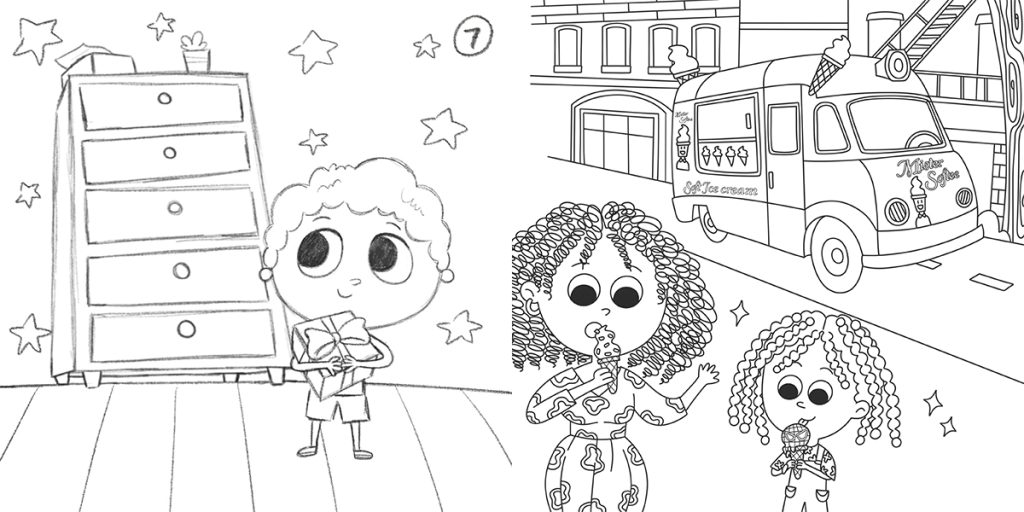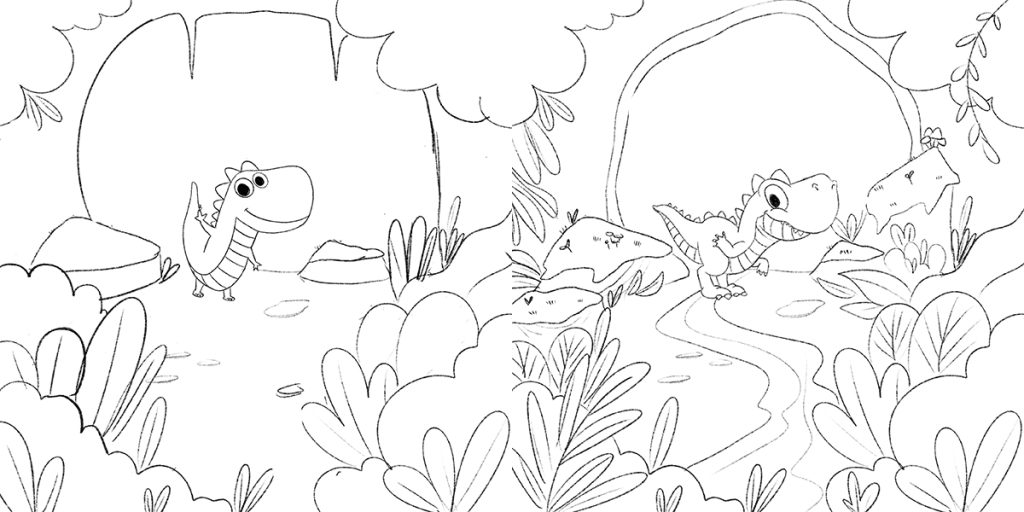

Color is far more than simple decoration in children’s books—it plays a direct role in shaping how young readers understand stories, develop emotions, and remain engaged with reading. Before children fully grasp language, visuals become the primary method of communication. Colors guide emotional responses, drive attention, build memory connections, and contribute to early cognitive development. Every shade, tone, and contrast choice influences how a child perceives characters, scenes, and ideas.
Research in developmental psychology has shown that children process colors differently than adults. Their brains respond more strongly to vivid visual signals, and their emotional associations with color form quickly during early learning years. Colors can stimulate excitement or encourage calm, enhance recall of images and words, or help children recognize shapes, letters, and objects more clearly. When used intentionally, color becomes an educational tool rather than a decorative detail.
Illustrators and authors now approach color as an extension of storytelling. A cheerful palette brings energy to playful scenes, while gentle hues soften emotional moments and promote comfort. Balanced use of contrast guides the reader’s eyes naturally, preventing visual overload while maintaining interest. Across age groups—from toddlers exploring picture books to older children diving into chapter stories—color creates a bridge between art and literacy.
In this guide, we explore how color psychology affects young readers, how thought-out palettes assist learning and emotional engagement, and why contrast plays a key role in attention and eye comfort. We’ll also examine how color preferences change with age, how culture influences perception, and how different genres rely on color choices to shape storytelling. Finally, we’ll discuss common coloring mistakes and share tips from professional illustrators to help creators make confident palette decisions.
Whether you’re designing your first children’s book or refining your illustration style, understanding how color influences reading experiences enables you to create books that feel inviting, emotionally supportive, and cognitively engaging from cover to final page.
Understanding Color Psychology in Children
Children respond to color long before they understand written words. Their developing brains interpret bright hues as signals for activity and discovery, while softer tones communicate safety and calm. Unlike adults, children engage emotionally with color first, logically second. This immediate emotional connection influences attention span, curiosity, and comfort during reading.
Warm colors like red, orange, and yellow evoke excitement and energy. These colors increase alertness and can enhance playful storytelling. Cool blues and greens, however, soothe and stabilize mood, helping children focus longer when learning or calming down before bedtime. Neutral colors serve as emotional balance, allowing bold highlights to guide interest without overwhelming the senses.
Color psychology also supports emotional recognition. A sunny yellow background may reinforce joyful scenes, while muted blues or purples reflect introspective or tender moments. This visual emotional guide helps children grasp story feelings even when language comprehension is still developing.
The Role of Color in Learning & Cognitive Development
Proper brand application of color strengthens a child’s learning process by supporting three important cognitive areas:
Object Recognition
Distinct colors help children differentiate characters, letters, and shapes. High-contrast visuals boost early literacy and recognition skills by making objects easier to identify.
Memory Retention
Color-coded visuals enhance recall. Children remember brightly colored characters and emotionally rich scenes more easily than monochrome images.
Emotional Association
Color strengthens emotional memory. When children emotionally enjoy certain pages, they associate reading with pleasure, reinforcing literacy engagement.
Educational publishers commonly use bold tones strategically to support letter learning, numbers recognition, pattern recognition, and animal identification. These engaging color schemes help cement early visual knowledge during critical cognitive development stages.
Also Read:Bright vs. Soft Tones: What Works Best for Children’s Books?
Color and Emotional Engagement in Storytelling
Storytelling depends on emotional connection—and color helps drive narrative emotion before text does. Color sets the tone of each scene, offering subtle emotional cues that guide young readers through highs and lows of the story.
Transitions between bright and muted scenes show movement from high-energy moments toward quieter reflective phases. For example, an action-packed adventure may open using vibrant red and orange tones, shifting toward gentle pastels as characters reach calm resolutions. This gradient storytelling technique keeps children emotionally connected without overstimulation.
Soft backgrounds support emotional storytelling by placing emphasis on faces and gestures rather than color competition. This allows children to focus on expressions and learn emotional empathy through art.
Color Contrast and Reading Focus
Managing Visual Attention
High contrast ensures characters remain visually prominent. Clear contrast between foreground objects and background scenery prevents confusion and improves readability.
Reducing Overstimulation
Excessive brightness pours too many high-energy signals into developing sensory systems, potentially leading to distraction or distress. Balanced contrast calms visuals and ensures that stimulation remains controlled.
Preventing Visual Fatigue
Longer reading sessions require gentler color transitions to reduce eye strain. Soft gradients and neutral backdrops ease decoding stress and support prolonged attention spans.
Modern illustration balances contrast by using vivid focal points while keeping environmental details subtle.
Color by Age Group
Toddlers & Preschoolers (1–4 Years)
Young readers require bold visual stimulation. High-saturation colors assist with:
- Object recognition
- Shape sorting
- Early word association
Books for this age group typically employ primary colors and simplified contrasts. Characters are often outlined boldly against plain backgrounds for maximum clarity.
Early Readers (5–7 Years)
As imagination expands and focus stabilizes, slightly softer palettes work best. Mid-brightness tones with selective accents hold attention without being overwhelming. Illustrators may begin to apply shading and layered color depth.
Independent Readers (8–10+ Years)
Older children appreciate visual sophistication. Softer gradients, watercolor textures, and cinematic lighting become more prevalent, supporting emotional immersion and longer narrative pacing.
Also Read:Popular Color Styles in Modern Children’s Books
Cultural Differences in Color Interpretation
Colors carry different meanings across cultures. White symbolizes purity in Western cultures but mourning in parts of Asia. Red means excitement or love in many countries but danger or warning elsewhere. Illustrators working for global or diverse markets consider cultural neutrality to avoid unintended symbolic miscommunication.
Neutral color palettes blended with vibrant highlights allow books to remain culturally inclusive while maintaining emotional resonance.
Color Choices for Different Book Genres
Educational Books
Clear contrasts, bold primary colors, repetition, and minimal textures support recognition learning.
Fantasy & Adventure
Jewel tones—rich blues, purples, emeralds, and golds—create magical environments. Contrast remains strong for creatures and action sequences.
Emotional Learning & Bedtime Stories
Soft, pastel color schemes and layered textures encourage emotional calm, safety, and stability.
Common Color Mistakes in Children’s Books
- Over-saturation
Too many bright colors overwhelm young readers.
- Low Contrast
Characters blend into backgrounds, confusing visual navigation.
- Inconsistent Palettes
Shifting color styles disrupt narrative flow.
- Ignoring Sensory Sensitivities
Neurodivergent readers may struggle with excessive visual noise.
Also Read:Color Themes That Make Children’s Books Stand Out
Tips from Professional Illustrators
Color Anchoring
Main characters maintain consistent identifying colors across pages to improve recognition and emotional continuity.
Background vs Foreground Balance
Background colors remain 20–30% softer than focal elements to preserve visual hierarchy.
Accent Control
Professional illustrators use bright accent colors sparingly, guiding attention toward specific facial expressions or story highlights rather than across entire spreads.
Conclusion
Color plays a central role in shaping a child’s overall reading experience, far beyond simple visual appeal. Every hue, tone, and contrast choice influences attention, emotion, comprehension, and memory formation. Bright colors spark curiosity and energy, making them especially valuable for toddlers and early learners who rely on visual cues to understand shapes, letters, and basic concepts. Softer tones, in contrast, provide emotional calm and visual comfort, helping older children focus for longer periods and connect more deeply with story themes, particularly during bedtime or reflective reading.
Successful children’s books use color with intention, a principle followed closely at The Rainbow Stories. Rather than choosing palettes based purely on style, professional creators align colors with reader age, emotional goals, and narrative pacing. Clear contrast ensures characters remain easily recognizable, while softer backgrounds maintain visual balance and prevent overstimulation. Many modern books adopt a mixed approach, using bold accents to attract attention while surrounding them with gentler tones that support comfort and immersion.
Cultural sensitivity also plays an important role, as color meanings vary across regions. Thoughtful palette choices help keep stories inclusive and emotionally appropriate for young readers worldwide.
Ultimately, effective color use turns illustration into a meaningful learning and emotional tool. When palettes are carefully selected, they support skill development, deepen emotional understanding, and strengthen a child’s connection to reading. By combining creativity with child-focused design, authors and illustrators can create books that feel comforting, engaging, and memorable, making each page a positive step in a child’s reading journey.
Frequently Ask Questions
Does color really affect learning?
Yes. Color enhances memory retention, recognition development, and emotional engagement associated with reading.
Are bright colors better for toddlers?
Yes—toddlers respond strongly to bold visuals for shape recognition and curiosity stimulation.
Can muted palettes attract kids?
Absolutely. Older children and bedtime readers prefer calming tones for comfort and focus.
Should colors change with story mood?
Yes. Emotional storytelling benefits from tonal transitions that mirror narrative pacing.
Does culture affect color perception?
Yes. Symbolism varies globally, making culturally inclusive palettes essential for worldwide publishing.