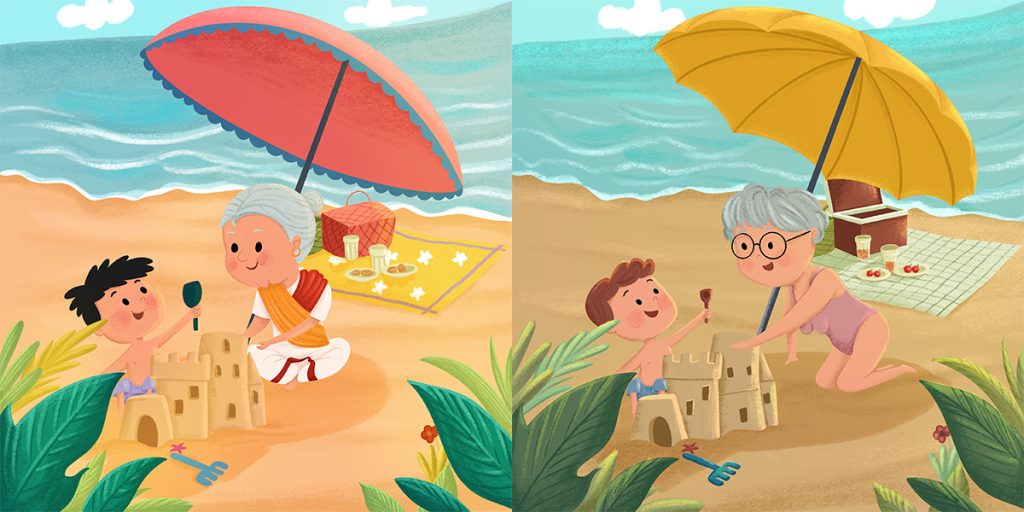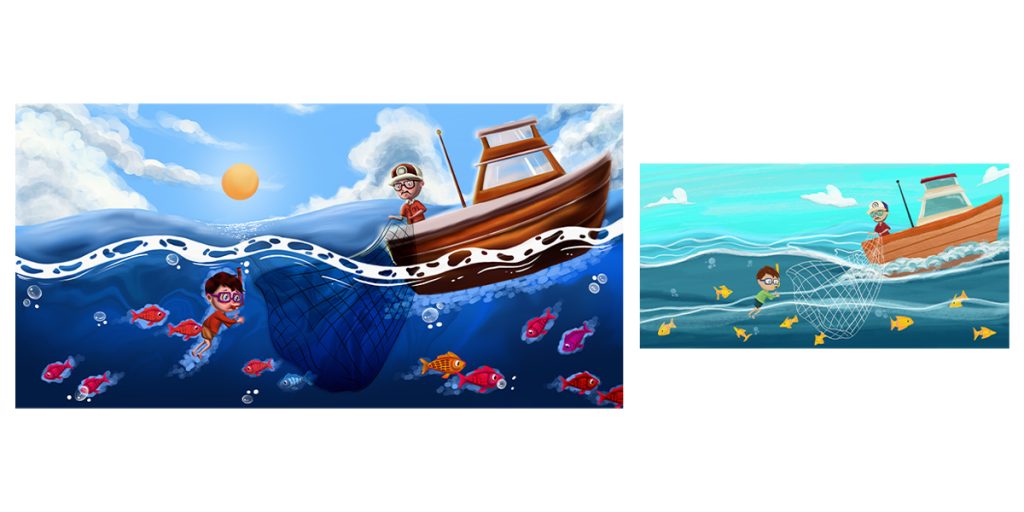

Every great children’s book begins with an idea but it’s the storybook illustration that truly brings that idea to life. Long before a child can read fluently, they connect with stories through images, colors, characters, and emotions on the page. Illustration transforms words into experiences, helping young readers imagine, feel, and understand the story in a deeper way.
If you are an aspiring illustrator, a first-time author, or a self-publisher stepping into children’s books, starting your first storybook illustration project can feel overwhelming. Questions like Where do I begin?, What style should I choose?, or How do I turn my idea into a complete book? are very common.
This guide walks you step by step from shaping your initial idea to preparing polished illustrations ready for publishing. Whether you plan to illustrate yourself or collaborate with a professional, this article will help you understand the full storybook illustration journey with clarity and confidence.
Understanding the Role of Illustration in Storybooks
Illustration in a children’s book is far more than visual decoration it is a powerful form of storytelling. In fact, storybook illustration often carries as much narrative responsibility as the written text, and in some cases, even more. For young readers, illustrations are the primary way they understand, interpret, and emotionally connect with a story.
A thoughtfully created storybook illustration helps children grasp the storyline faster by visually explaining actions, settings, and emotions. Before children fully develop reading skills, they rely on images to follow what is happening on the page. Facial expressions, body language, and scene composition all work together to communicate meaning without words. This visual guidance builds confidence and keeps young readers engaged from beginning to end.
Illustrations also play a critical role in forming emotional connections with characters. A single image can show happiness, fear, curiosity, or kindness in ways that text alone cannot. These emotional cues help children relate to characters, making the story more memorable and impactful. At the same time, creative visuals spark imagination and curiosity, encouraging children to explore ideas beyond the page.
Unlike adult books, children’s storybooks depend heavily on color mood, visual pacing, and expressive imagery. This is why storybook illustration requires a unique mindset one that balances artistic creativity with clear storytelling purpose. Every illustration must support the narrative, guide young readers smoothly through the story, and enhance their overall reading experience.
In children’s books, illustrations don’t just support the story they are the story.
Also Read : Choosing the Right Colors to Make Your Storybook Pop
Turning Your Story Idea into a Visual Concept
Before creating your first sketch, it is essential to establish a clear visual direction. Successful storybook illustration always begins with a deep understanding of the story itself. Without this foundation, illustrations may look attractive but fail to support the narrative in a meaningful way.
Start by identifying the core message or lesson your story is meant to convey. Whether the goal is to teach kindness, inspire curiosity, or simply entertain, this message should influence every visual choice. Next, consider your target audience. Illustrations designed for toddlers will differ greatly from those created for preschoolers or early readers. Younger audiences benefit from simple shapes, clear contrasts, and familiar imagery, while older children can engage with more detailed scenes and complex compositions.
Tone also plays a major role in shaping your storybook illustration style. Ask yourself whether the story feels playful, emotional, adventurous, or calm. A soothing bedtime story may require soft lines, gentle movements, and a limited, warm color palette to create a sense of comfort. In contrast, a humorous or action-filled story might use bold shapes, dynamic poses, and exaggerated expressions to communicate energy and excitement.
Once these elements are clearly defined, visual decisions become much easier. Character design, background environments, color choices, and overall composition naturally align with the story’s purpose. When the narrative vision is clear, the illustration style feels intentional rather than forced.
By thoughtfully translating your story idea into a visual concept, you create a strong foundation for storybook illustration that enhances storytelling, engages young readers, and brings your imagination to life on every page.
Also Read : Simple Sketching Tips Every Children’s Book Illustrator Should Know
Creating a Mood and Color Direction
Color plays a powerful role in storybook illustration. It sets the mood even before a single word is read.
- Warm colors create excitement, joy, and energy
- Cool colors suggest calmness, night scenes, or sadness
- Consistent color palettes help the book feel unified
Choose a limited color palette early and stick to it throughout the book. This consistency helps young readers follow the story visually and makes your illustrations look professional.
Also Read : Simple Sketching Tips Every Children’s Book Illustrator Should Know
Developing Characters That Feel Alive
Characters are the heart of every children’s book. A successful storybook illustration makes characters instantly recognizable and emotionally expressive.
When designing characters, focus on:
- Simple, clear shapes (easy for kids to understand)
- Strong silhouettes
- Expressive faces and gestures
Children connect with emotions more than details. A smiling face, slumped shoulders, or wide eyes can communicate feelings instantly.
It’s also important to keep characters consistent across pages. Creating basic character reference sheets showing front view, side view, and common expressions—helps maintain accuracy throughout the book.
A relatable character can turn an average story into a memorable one.
Also Read : The Art of Storytelling: Using Illustrations to Bring Stories to Life
Planning the Storyboard (Page-by-Page Flow)
A storyboard is the blueprint of your storybook illustration. It shows how the story unfolds visually, page by page, before you move into detailed artwork.
Storyboarding helps you:
- Plan pacing and rhythm
- Decide what happens on each page
- Balance text and illustration space
At this stage, rough sketches are enough. The goal is not perfection but clarity.
Each spread should move the story forward visually. Think about:
- When to use full-page illustrations
- When to zoom in on emotions
- When to show action or transitions
Also Read : How to Create Memorable Characters for Children Storybooks
Common Storyboarding Mistakes to Avoid
Many beginners rush past this stage, which leads to problems later. Avoid these common issues:
- Overcrowding pages with too many elements
- Repeating the same composition on every page
- Ignoring how text will fit alongside illustrations
A thoughtful storyboard saves time, reduces revisions, and improves storytelling flow.
Choosing Tools and Materials for Storybook Illustration
There is no single “best” tool for storybook illustration only what works best for your style and workflow.
Digital Illustration
- Flexible and easy to edit
- Ideal for self-publishing and print format
- Popular among modern illustrators
Traditional Illustration
- Hand-drawn textures and organic feel
- Requires scanning and digitization
- Often used for watercolor or pencil styles
Beginners often prefer digital tools because of convenience, but both methods can produce beautiful results. The key is understanding final output requirements such as resolution, file format, and page size.
Also Read : Build Better Children’s Book Art: Composition, Color, Sketching & Storytelling Tips
From Sketch to Final Illustration
This is where your story truly comes alive.
The storybook illustration process usually follows these steps:
- Rough Sketches
- Focus on composition and storytelling
- Keep lines loose and expressive
- Refined Line Art
- Clean up shapes and outline
- Improve clarity and consistency
- Coloring and Shading
- Apply your chosen color palette
- Keep shading simple and readable
- Final Touches
- Add highlights, textures, or subtle details
- Ensure consistency across all pages
Always review illustrations together, not individually. This helps maintain visual harmony throughout the book.
Also Read : Illustration Fundamentals: Composition, Color, and Sketch Routine for Kid’s Books
Preparing Illustrations for Publishing
A beautiful storybook illustration must also meet technical standards for printing or digital publishing.
Important basics include:
- Correct page size and bleed margins
- Proper color mode (CMYK for print, RGB for digital)
- High resolution for sharp output
Even the best artwork can look unprofessional if these steps are ignored. Preparing files correctly ensures your illustrations look exactly as intended when printed or displayed on screens.
Also Read : From Rough Sketches to Storytelling: Essential Tips for Aspiring Children’s Illustrators
Collaborating with an Illustrator (If You’re an Author)
If you’re an author working with an illustrator, communication is essential.
To ensure successful storybook illustration collaboration:
- Share a clear brief with story summary and references
- Explain the target age group and tone
- Trust the illustrator’s creative process
Good collaboration balances guidance with creative freedom. When both sides respect each other’s roles, the final book becomes stronger.
Also Read : Mastering Children Book Illustration Lessons from Composition to Sketchbook Habits
Mistakes First-Time Storybook Illustrators Should Avoid
Starting out is exciting, but beginners often make avoidable mistakes in storybook illustration.
Common pitfalls include:
- Copying popular styles instead of developing your own
- Over-detailing illustrations for young readers
- Ignoring age-appropriate design
- Skipping the storyboard phase
Learning from these mistakes early can save time and frustration later.
Also Read : Are Adult Coloring Books the Same as Children’s Coloring Books?
Final Tips to Start Your Storybook Illustration Journey Confidently
Starting your first storybook illustration doesn’t require perfection—only commitment and creativity.
Helpful tips:
- Start with small projects or short stories
- Practice consistently
- Seek feedback from parents, educators, or fellow creators
- Build a simple portfolio over time
Every illustrator improves with experience. The most important step is simply starting.
Also Read : Fun and Learning: Best Coloring Books for Preschoolers
Conclusion
The journey from idea to page is both creative and deeply rewarding. Storybook illustration has the power to transform simple words into magical worlds that inspire young readers, spark imagination, and create lasting memories. With thoughtful planning, a clear visual direction, expressive characters, and a well-structured illustration process, anyone can confidently begin and grow their first storybook illustration project.
Just as a well-illustrated storybook relies on clarity, structure, and visual harmony, creative professionals also need strong ways to present their work. Platforms like Rainbow Stories support illustrators, authors, and storytellers by helping them showcase their creativity, portfolios, and artistic journeys in a clear and meaningful way. Whether you are sketching your first character, building an illustration portfolio, or shaping your creative identity, consistency and growth matter most. Every illustrated page moves your story and your creative path one step closer to success.