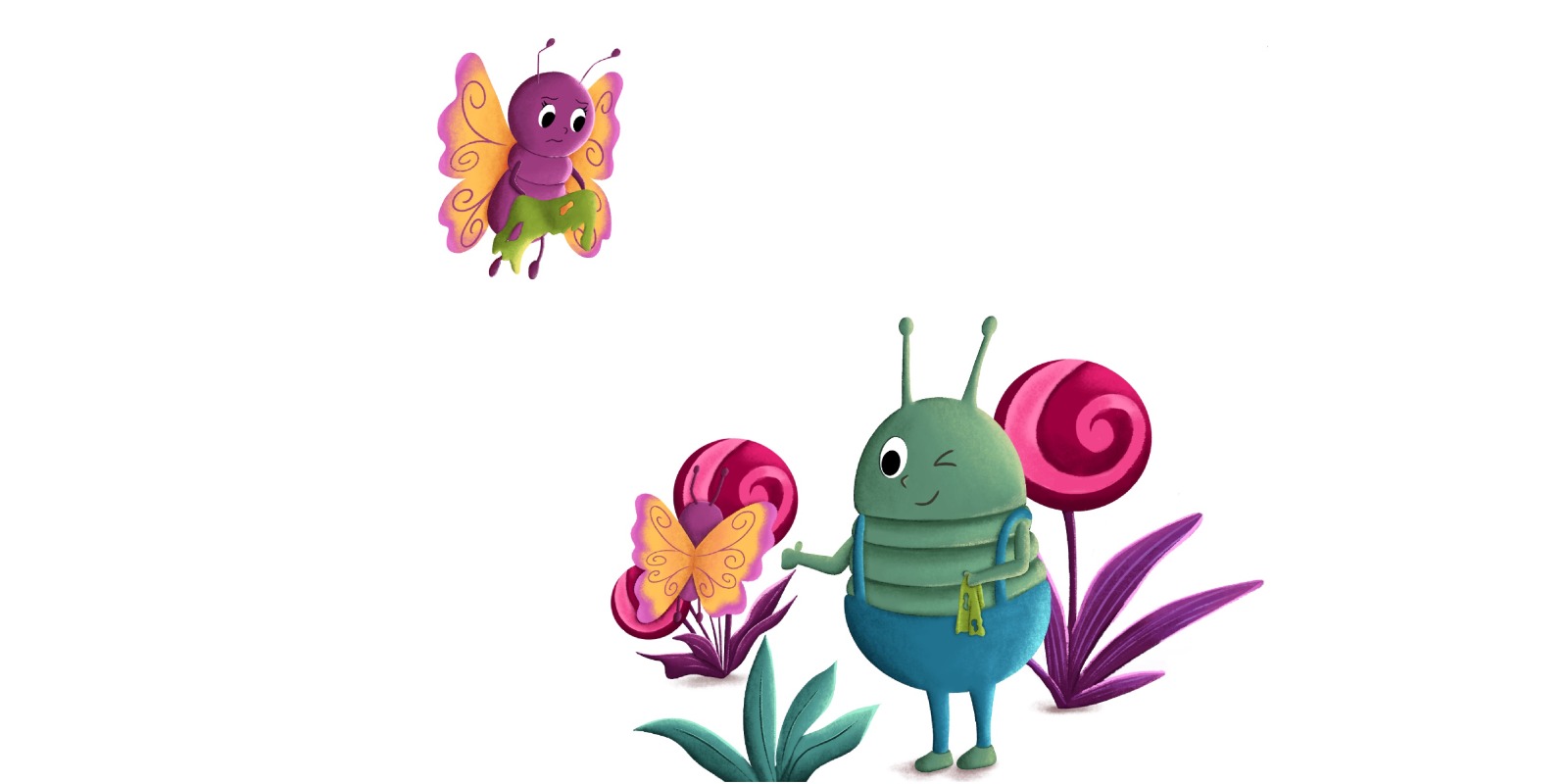
Every great story lives and breathes through its characters. The worlds, plots, and visuals may draw readers in—but it’s the heroes and villains who make them stay. In children’s literature and visual storytelling, character development plays a defining role in how audiences connect emotionally with a story. Whether your tale features a brave young explorer or a mischievous trickster, creating depth and consistency ensures your characters leave a lasting impression.
Why Character Development Matters
Strong characters turn good stories into unforgettable experiences. When children open a storybook, they’re not just reading—they’re feeling. They relate to the hero’s courage, curiosity, and flaws. They learn empathy, courage, and imagination through these fictional journeys.
That’s why character development for children’s books isn’t just about how a character looks, but who they are, what they believe in, and how they evolve as the story unfolds.
A well-developed hero gives readers someone to root for. A well-crafted villain challenges that hero and teaches valuable lessons about choices, consequences, and humanity.
Step 1: Build a Strong Foundation – Know Who They Are
Before you sketch a single line or write a single scene, define the heart of your characters. Ask yourself:
- Who are they?
- What do they want most in the world?
- What stands in their way?
These three questions lay the foundation for creating memorable heroes and villains.
For heroes, focus on relatability. A character doesn’t need to be perfect flaws make them real. Maybe your hero is brave but impulsive, kind but forgetful. These contrasts humanize them.
For villains, focus on motivation. Great villains rarely see themselves as evil. They believe they’re right. Think of the best antagonists—they often reflect the hero’s fears or weaknesses.
Step 2: Give Them a Backstory
Every character has a past that shapes their present actions. Crafting a detailed backstory adds emotional depth and believability to your story.
In character development, backstory isn’t just about where your character grew up it’s about why they behave the way they do. Did your hero lose something precious? Did your villain experience rejection or pain that turned them bitter?
When readers understand the “why” behind their actions, they feel empathy even for villains. This emotional layering creates multidimensional storytelling that keeps readers engaged from beginning to end.
Step 3: Show Growth and Change
A static character feels lifeless. The best stories show transformation.
In children’s storytelling, heroes often start uncertain but grow into confidence through their journey. This is known as the hero’s journey—a timeless storytelling framework used in myths, fairy tales, and modern fiction alike.
Similarly, villains might grow too—but in the opposite direction. They might fall deeper into obsession, anger, or greed. The contrast between the hero’s growth and the villain’s downfall creates a powerful emotional arc.
For example, imagine a shy child who learns bravery by standing up for a friend—while their antagonist, once a friend themselves, succumbs to jealousy. These parallel paths make the story meaningful and memorable.
Step 4: Design with Personality – Visual Character Development
For illustrators, visual storytelling is as important as narrative. Every detail—facial expression, clothing, posture, and color—should reflect personality.
When designing heroes and villains:
- Heroes often use soft, warm colors that evoke trust and energy (like yellow, blue, or green).
- Villains may use contrasting tones—dark purples, deep reds, or shadows—to signal mystery or power.
This doesn’t mean sticking to clichés. A hero dressed in black or a villain in bright tones can still work, as long as it reflects their story arc.
Consistency is key. Use your character sheets to maintain proportions, outfits, and expressions throughout your illustrations. A consistent design helps readers instantly recognize your characters, strengthening emotional connection and brand identity.
Step 5: Build Dynamic Relationships
Memorable heroes and villains don’t exist in isolation. Their relationship defines the story’s heart.
- The hero represents growth, hope, or love.
- The villain represents fear, pride, or control.
When their goals collide, sparks fly and that’s where the story thrives.
Show how they challenge each other. Maybe the villain forces the hero to make difficult choices, or the hero makes the villain question their beliefs. These emotional interactions create depth and elevate your storytelling beyond simple “good vs. evil” dynamics.
Step 6: Keep Them Consistent but Evolving
Consistency doesn’t mean stagnation. It means staying true to your character’s identity while showing realistic evolution.
In character design for children’s books, this balance is crucial. Young readers notice small details if your hero’s personality shifts suddenly without reason, they’ll feel disconnected. Keep motivations, emotions, and visuals aligned with the story’s message.
For illustrators, visual consistency in color palettes and props adds professional polish. For writers, consistent voice and tone make characters believable across chapters.
Step 7: Add Emotional Depth Through Conflict
Conflict reveals true character. It’s where heroes discover courage and villains expose vulnerability.
Use both external conflicts (challenges, enemies, obstacles) and internal ones (doubt, guilt, fear). These emotional struggles create authenticity and make readers care deeply about the outcome.
Even in children’s books, subtle emotional tension makes stories powerful without losing their simplicity.
Conclusion – Great Characters Live Forever
The art of character development is about more than creating faces and names it’s about breathing life into your imagination. When you blend thoughtful writing with expressive design, you create characters that inspire, teach, and stay in readers’ hearts long after the final page.
At The Rainbow Stories, we specialize in bringing stories to life through character design, storyboarding, and custom children’s book illustrations. Whether you’re crafting your first hero or refining your story’s villain, we help you shape characters that truly shine.