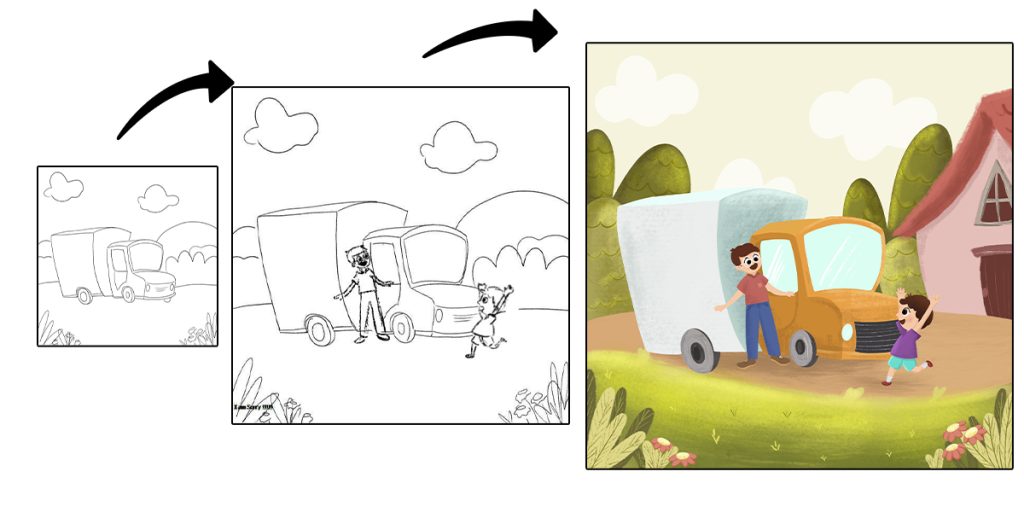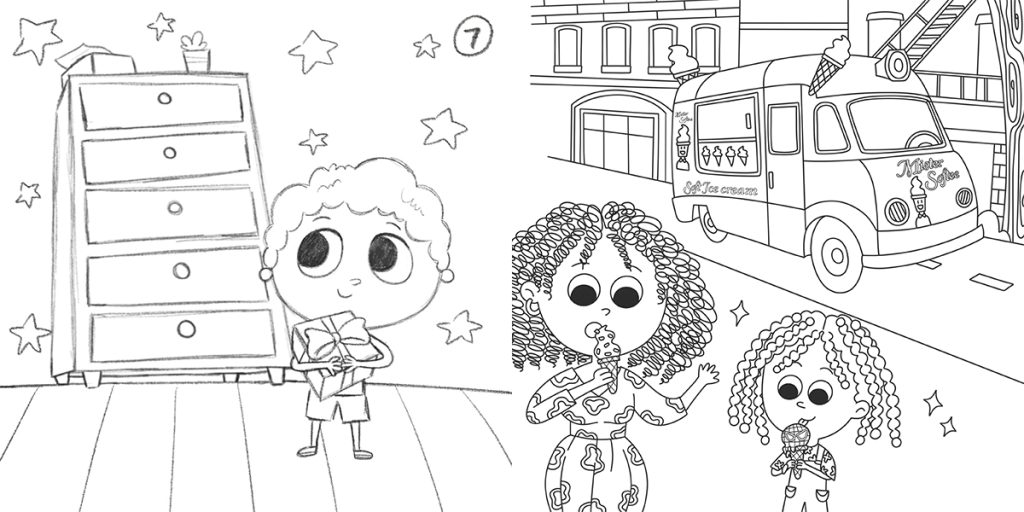
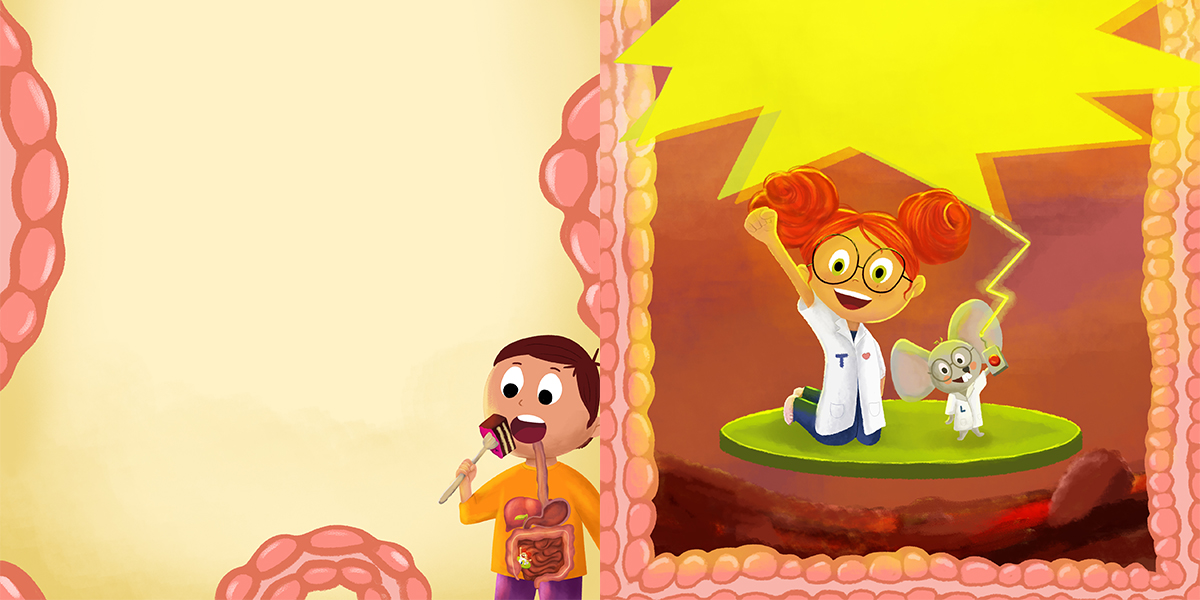
Color is one of the most powerful storytelling tools in children’s books—but it often works silently behind the scenes. Before young readers learn to understand words or follow complex storylines, they respond emotionally to colors. Bright explosions of red and yellow spark excitement, calm blues soothe bedtime readers, and soft greens create feelings of safety and exploration. Every hue influences how children experience stories on an emotional level.
The psychology of color in kids’ storybooks is not about decoration alone. It is about communication without words. Colors guide mood, shape memory, build emotional bonds with characters, and support brain development. Understanding how color impacts children allows authors, illustrators, and publishers to design stories that connect more deeply, making reading both engaging and comforting.
What Is Color Psychology?
Color psychology is the study of how colors influence human emotions, attention, memory, and behavior. In children, this effect is even stronger because their emotional awareness and visual perception are still developing. Young readers do not view color as simple decoration. Instead, they experience it as emotional information that shapes how they feel about a story, its characters, and its themes.
Children naturally assign emotional meaning to different shades. Warm tones such as red, orange, and yellow often create feelings of excitement, happiness, and energy. Cool colors like blue and green bring calmness, comfort, and thoughtful moods, making them ideal for quiet or bedtime scenes. Darker tones introduce seriousness, mystery, or tension, helping emotional moments feel deeper and more dramatic.
During early learning stages, color also plays a key role in visual recognition. Toddlers learn to identify images long before they understand written words, and color helps them separate shapes, characters, and scenes easily. As children connect specific hues with certain emotions and narrative moments, these color-emotion links strengthen memory. Storybooks that thoughtfully combine color with emotional storytelling become more memorable and allow children to form lasting emotional connections with the stories they experience.
Also Read:How Illustrators Pick Colors for Children’s Stories
Why Color Matters in Kids’ Storybooks
Color shapes how children experience stories in four major ways.
1. Attention
Bright or contrasting colors pull focus toward key characters or important scenes. Children are drawn visually before they absorb written content.
2. Emotional Engagement
Colors subtly set an emotional tone. A warm palette makes joyful scenes feel more alive, while cool shades create calm moments suitable for reflection or bedtime reading.
3. Story Comprehension
Color acts as a visual cue that helps children understand transitions. A darker page signals tension or sadness; a bright scene suggests resolution or happiness.
4. Memory Retention
Associating scenes with strong color moods strengthens memory. Children often recall favorite book moments based on how they felt emotionally, which color strongly influences.
Color becomes a silent narrator guiding young readers through emotional highs and lows.
Also Read:Color Mistakes to Avoid When Designing a Children’s Book
Emotional Associations of Common Colors
Red
Red expresses energy, excitement, danger, or urgency. It is often used during chase scenes, action moments, or emotional intensity where quick reactions should be emphasized.
Best use: Action scenes, emotional conflict, bold character emotions.
Blue
Blue communicates calmness, trust, safety, and sometimes loneliness or thoughtfulness. It works beautifully in nighttime scenes or moments of rest.
Best use: Bedtime stories, reflective moments, themes of peace.
Yellow
Yellow embodies happiness, curiosity, and positivity. It stimulates optimism without overwhelming young readers when used gently.
Best use: Discovery scenes, playful moments, cheerful character highlights.
Green
Green represents nature, balance, growth, and safety. It creates peaceful environments and supports feelings of stability and comfort.
Best use: Outdoor scenes, learning journeys, environmental storytelling.
Purple
Purple connects to fantasy, magic, imagination, and emotional depth. It often appears in mythical creatures, dream worlds, or whimsical adventures.
Best use: Fantasy settings, magical elements, dream scenes.
Orange
Orange symbolizes enthusiasm, warmth, social interaction, and friendliness. It bridges excitement and comfort better than pure red or yellow.
Best use: Playful characters, friendship moments, creative scenes.
Black & Neutral Tones
Neutral tones add emotional contrast. Dark colors introduce mystery or seriousness, while whites and soft earth tones create simplicity and emotional breathing room.
Best use: Emotional balance, serious moments, story pauses.
Bright vs Soft Tones in Children’s Books
Bright Tones
Bright colors are highly saturated and visually stimulating. They work best for younger children with limited attention spans because bold visuals help keep focus and excitement high.
Pros:
- Strong attention capture
- Immediate emotional stimulation
- Perfect for early readers
Cons:
- Overuse causes sensory overload
- Can reduce emotional subtlety
Soft Tones
Pastels and muted shades create a soothing visual rhythm. They reduce eye strain and help children emotionally relax into storytelling.
Pros:
- Encourages calm focus
- Reduces overstimulation
- Enhances emotional nuance
Cons:
- Less attention-grabbing if used alone
The Best Approach
The most effective books combine both. Bright tones pull attention during exciting moments, while soft tones pace emotional recovery and comfort.
Age-Based Color Preferences
Toddlers (0–3 Years)
Prefer bold, high-contrast palettes. Primary colors help them distinguish shapes and characters easily.
Preschoolers (3–5 Years)
Enjoy bright but balanced palettes. They start responding emotionally to toned colors rather than just visual contrast.
Early Readers (6–8 Years)
Prefer subtler color use paired with mood storytelling. They recognize emotional cues and enjoy color transitions in stories.
Middle Grades (9+ Years)
Engage with symbolic coloring that reflects emotional complexity. They appreciate visual depth, shadows, and subdued storytelling palettes.
Using Color to Enhance Storytelling
Color sequencing guides emotional storytelling. Professional illustrators use palette shifts to mirror emotional journey arcs:
- Warm beginnings introduce cheerful settings.
- Cool or dark midtones accompany tension or uncertainty.
- Bright or soft endings signify success, comfort, or resolution.
Color also helps characterize personalities:
- Energetic characters wear reds and oranges.
- Gentle figures wear blues and pastels.
- Wise or magical characters often wear purples or jewel tones.
Consistency ensures that children subconsciously associate colors with characters and emotional meanings, deepening storytelling immersion.
Cultural Influences on Color Perception
Color meanings vary globally. While red often implies danger or excitement in Western cultures, it symbolizes prosperity and happiness in many Asian traditions. White might represent purity in some countries while expressing mourning in others.
Global children’s publishers consider these symbolic differences carefully, especially for internationally marketed storybooks. Cultural sensitivity in color choice ensures stories emotionally resonate regardless of geographic audience.
Color Balance & Visual Comfort
Children’s developing eyes are sensitive. Overly saturated pages can cause rapid fatigue and distraction. Balanced palettes protect visual comfort while keeping attention engaged.
Design principles for comfort:
- Limit overly bright backgrounds
- Use contrast for readability without flashing effects
- Choose smooth transitions between scenes
- Maintain white space or neutral elements for emotional pacing
Digital storytelling further increases the importance of thoughtful color balance because screens amplify brightness and contrast.
Practical Tips for Authors & Illustrators
- Match colors to emotional scenes rather than decoration.
- Test story palettes on real child audiences where possible.
- Avoid excessive saturation across entire pages.
- Use recurring color themes to identify characters.
- Plan emotional peaks visually as well as narratively.
- Ensure print vibrancy does not overwhelm young eyes.
- Contrast text with backgrounds for readability.
Professional children’s book illustrators treat color as an emotional instrument—not just a design tool.
Common Color Mistakes to Avoid
Overusing bright colors
Constant brightness overloads young readers and reduces emotional clarity.
Ignoring emotional harmony
Random palettes disconnect visual tone from narrative tone.
Poor contrast choices
Low background/text contrast ruins readability and usability.
Neglecting age preferences
Designing color schemes without age adaptation reduces storytelling effectiveness.
Modern Trends in Children’s Book Color Design
Recent years have seen a shift toward softer digital-friendly palettes. Wash gradients, minimal saturation, and pastel aesthetics dominate modern publications.
Illustrations now focus on emotional storytelling angles with cozy visuals rather than high-energy nonstop color. This trend supports increasing bedtime reading and emotional development attention within storytelling.
Case Study Examples
Classic Bright Style:
Early alphabet books use bold reds, yellows, and blues to retain infant attention.
Modern Soft Style:
Bedtime stories use pastel tones to emphasize emotional safety and calmness.
Fantasy Storybooks:
Deep purples, teal blues, and glowing accent palettes create immersive fantasy worlds that stimulate imagination without sensory overload.
Conclusion
Color psychology plays a powerful role in how children experience storybooks. When colors are used intentionally, they do more than beautify illustrations—they guide emotions, strengthen memory, and deepen engagement. Warm tones energize young readers during playful moments, cool shades create calm for bedtime scenes, and darker hues add emotional depth during thoughtful or mysterious parts of a story. Balanced and age-appropriate color choices ensure that visuals remain comfortable for developing eyes while still supporting strong emotional storytelling.
Just as thoughtful color use improves children’s books, smart presentation also shapes how stories connect with young readers. Platforms like The Rainbow Stories understand how visual balance, color psychology, and emotional cues influence engagement. By blending creative design with storytelling principles, The Rainbow Stories helps deliver narratives that feel clear, warm, and emotionally engaging for children.
Whether crafting a children’s storybook or a career résumé, the principle remains the same: the right visual choices transform information into meaningful connection—allowing colors, layout, and design to tell powerful stories without speaking a single word.
Frequently Ask Questions
How do colors affect children’s emotions?
Colors influence excitement, calmness, attention, and emotional memory, shaping how positively children respond to stories.
Are bright colors better than soft tones?
Both are useful. Bright colors help capture attention, while soft tones promote emotional comfort. A blend is ideal.
What colors work best for bedtime stories?
Blues, lavenders, mints, and pastels encourage calm and relaxation.
Do boys and girls perceive color differently?
No inherent difference exists emotionally, but cultural influences can shape preferences over time.