In the world of modern storytelling, visuals are no longer just a supporting element — they are a language of their own. Whether in picture books, graphic novels, or illustrated stories, visual storytelling helps readers instantly connect with a character’s emotions, personality, and journey. For authors and illustrators alike, mastering the art of building character identity through visuals is essential for creating memorable and emotionally resonant stories.
What Is Visual Storytelling?
Visual storytelling is the art of communicating a narrative through images, expressions, colors, and symbols rather than words alone. It’s what makes readers feel who a character is before they even read a single line of dialogue. From posture and clothing to facial expressions and color palettes, every visual detail reveals a layer of personality, emotion, and backstory.
In children’s literature, for example, visual storytelling plays an even greater role. A child may not fully grasp complex text, but they can understand what a character feels simply through their appearance and surroundings. That’s why illustration isn’t just decoration — it’s a vital storytelling tool.
Also Read:Cultural Sensitivity in Character Design
How Visuals Shape Character Identity
A well-designed character reflects more than physical traits; it reflects values, emotions, and personal growth. The right visuals help readers identify not only who the character is, but also why they behave the way they do.
- Facial Expressions: The eyes and mouth can communicate confidence, fear, or joy instantly. Subtle expression shifts can reflect emotional development throughout the story.
- Body Language: A slouched posture might symbolize insecurity, while an upright stance signals strength and pride.
- Clothing and Accessories: What a character wears tells readers about their lifestyle, background, or role. For example, a tattered jacket might hint at struggle, while bright patterns suggest optimism or creativity.
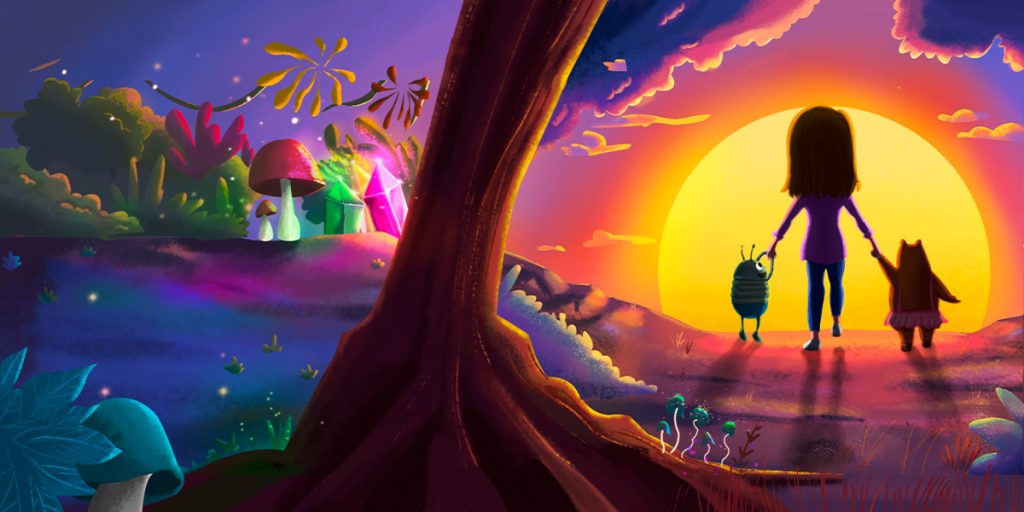
- Color Palette: Colors carry emotional weight. Warm tones like red and orange express passion or energy, while cool hues like blue and green convey calm or mystery.
In short, visuals create an emotional roadmap guiding readers to understand and connect with characters long before words do.
The Role of Visual Consistency
When building a strong character identity, consistency is key. Every time a reader sees that character, the design elements should align with their core personality and emotional state. Inconsistent visuals — such as changing proportions, unclear silhouettes, or random outfits — can confuse readers and weaken their connection to the story.
For authors collaborating with illustrators, it’s essential to maintain a character sheet or style guide that defines consistent features: hair color, clothing, expressions, and movement style. This ensures that the character remains recognizable and emotionally coherent throughout the story.
Also Read:How to Design Characters for Kids
Using Visuals to Show, Not Tell
One of the golden rules of storytelling is “show, don’t tell.” Visual storytelling allows this principle to flourish. Instead of telling readers that a character is brave or shy, visuals can show it through actions and design choices.
For example:
- A brave character might be drawn looking up, shoulders squared, eyes forward, even in moments of danger.
- A timid character might appear smaller within the frame, avoiding eye contact, or standing behind others.
These cues allow readers to interpret the story emotionally, without needing lengthy explanations. For picture books and graphic novels, this approach keeps readers engaged and builds empathy naturally.
The Psychology of Colors and Shapes in Character Design
Color psychology plays a powerful role in how readers perceive characters. Every hue triggers an emotional response:
- Red: Energy, courage, passion
- Blue: Calmness, trust, sadness
- Yellow: Happiness, creativity, warmth
- Black: Mystery, sophistication, or danger
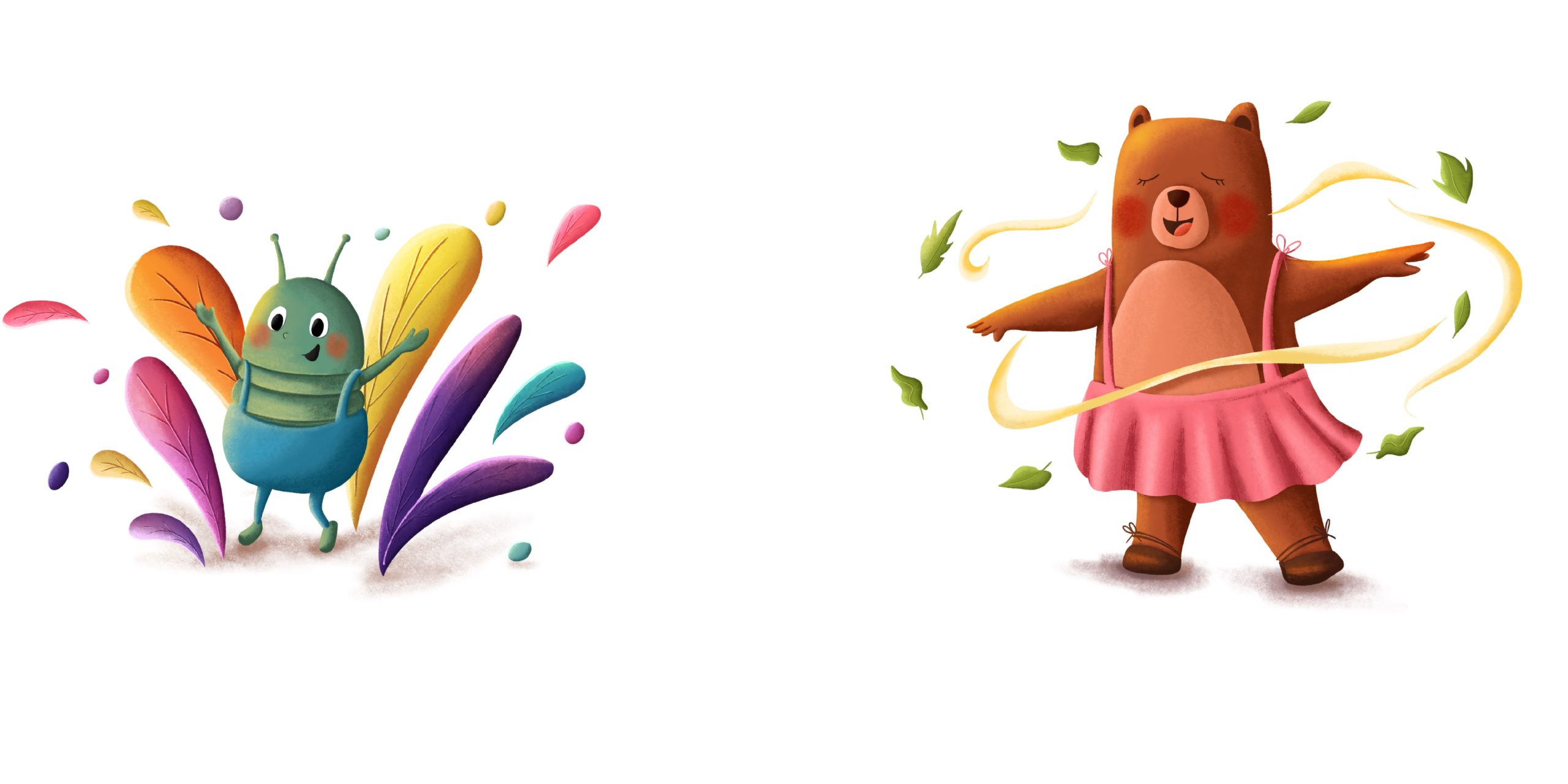
Similarly, shapes influence perception. Rounded designs feel friendly and approachable, while sharp or angular designs suggest intensity or conflict. Combining the right shapes and colors can give readers subconscious cues about a character’s nature before they even speak.
Also Read:Character Design Basics
Collaborating with Illustrators Effectively
Authors and illustrators often share the same goal: bringing characters to life. To achieve this, communication must be clear and creative. Authors should describe not just what a character looks like, but who they are inside.
Here’s how to strengthen collaboration:
- Share emotional context – Explain the character’s fears, hopes, and internal conflicts.
- Provide visual references – Mood boards, movie scenes, or fashion images can spark ideas.
- Encourage creative freedom – Allow illustrators to interpret your descriptions visually. Their unique artistic vision can reveal aspects of character identity you hadn’t imagined.
This partnership transforms words into visual emotions, ensuring that both text and illustration complement each other seamlessly.
Using Symbolism and Visual Metaphors
Symbolism is another key part of visual storytelling. A recurring color, object, or background element can reinforce a character’s emotional state or theme.
For instance:
- A recurring storm might symbolize inner turmoil.
- A blooming flower could represent growth and hope.
- A specific color, like purple, may evolve with the character’s journey — from insecurity to empowerment.
These subtle cues deepen emotional impact and make stories more memorable.
How Visual Storytelling Builds Reader Connection
Readers are visual beings. They remember faces, emotions, and colors more easily than words. When a story uses strong visual cues, it creates instant recognition and emotional resonance.
Think of how universally recognizable characters like Elsa from Frozen or Paddington Bear are. Their designs express who they are — kind, brave, curious — even without narration. That’s the power of visual character design: it makes characters timeless and relatable across cultures and generations.
Conclusion
At The Rainbow Stories, we believe that in the art of storytelling, visuals and words are two sides of the same coin. Using visual storytelling to build character identity transforms stories from simple narratives into emotional experiences.
When authors and illustrators work together thoughtfully combining color, expression, symbolism, and design characters come alive beyond the page. They don’t just tell a story; they become the story itself.